

A healthy lawn reflects what happens below the surface. Grass needs adequate nutrition, moisture, oxygen-rich soil, proper mowing, and timely protection from insects or competing plants.
Each factor influences root depth, blade color, turf density, and recovery after heat or heavy foot traffic. Professional maintenance brings those needs into one coordinated plan.
For Lexington homeowners, that method reduces guesswork while supporting a more attractive, functional yard through every growing season.
Jump to:
- Why Local Conditions Matter
- Turf Type Sets the Schedule
- Fertilization Builds Density
- Watering Should Reach the Root Zone
- Mowing Protects Plant Energy
- Weed Control Preserves Available Resources
- Pest Management Protects Usable Space
- Seasonal Timing Improves Results
- Professional Monitoring Measures Progress
- Conclusion
Why Local Conditions Matter
Lexington lawns contend with intense summer heat, high humidity, clay-heavy soil, irregular rainfall, and seasonal insect activity.
Those conditions can weaken roots, thin coverage, and encourage opportunistic weeds. For homeowners in Lexington, South Carolina, lawn care services become essential.
They often consider grass variety, soil structure, irrigation performance, shade, and recent treatment history while selecting a provider.
Turf Type Sets the Schedule
Bermuda, zoysia, and centipede grasses follow different growth patterns. Bermuda generally tolerates close mowing and full sun, while zoysia spreads more slowly after winter dormancy.
Centipede grass prefers modest fertility and may decline after excessive feeding.
Correct identification guides mowing height, nutrient amounts, herbicide selection, and application timing.
Treating every lawn alike can create stress that appears as thinning, discoloration, or slow recovery.
Fertilization Builds Density
Grass uses nitrogen, phosphorus, potassium, and smaller quantities of micronutrients. Requirements depend on species, soil results, rainfall, and seasonal growth.
Too much nitrogen may result in soft blades, excessive clippings, and increased disease pressure.
A measured program encourages steady color and lateral spread without forcing unnatural growth.
Applications should account for dormancy, recent feeding, weather forecasts, and the lawn’s current capacity to absorb nutrients.
Watering Should Reach the Root Zone
Short, frequent irrigation often keeps moisture near the surface, where roots remain vulnerable to heat and rapid drying.
Longer watering cycles, separated by suitable intervals, can encourage deeper rooting when drainage permits.
Early morning is usually the most efficient period because evaporation remains lower and foliage dries before evening.
A rain gauge helps households adjust sprinkler schedules rather than automatically adding water after rainfall.
Mowing Protects Plant Energy
Removing more than one-third of the blade in a single cutting can shock the turf and expose soil to sunlight.
Gradual trimming preserves leaf tissue, which the plant uses for photosynthesis and carbohydrate storage.
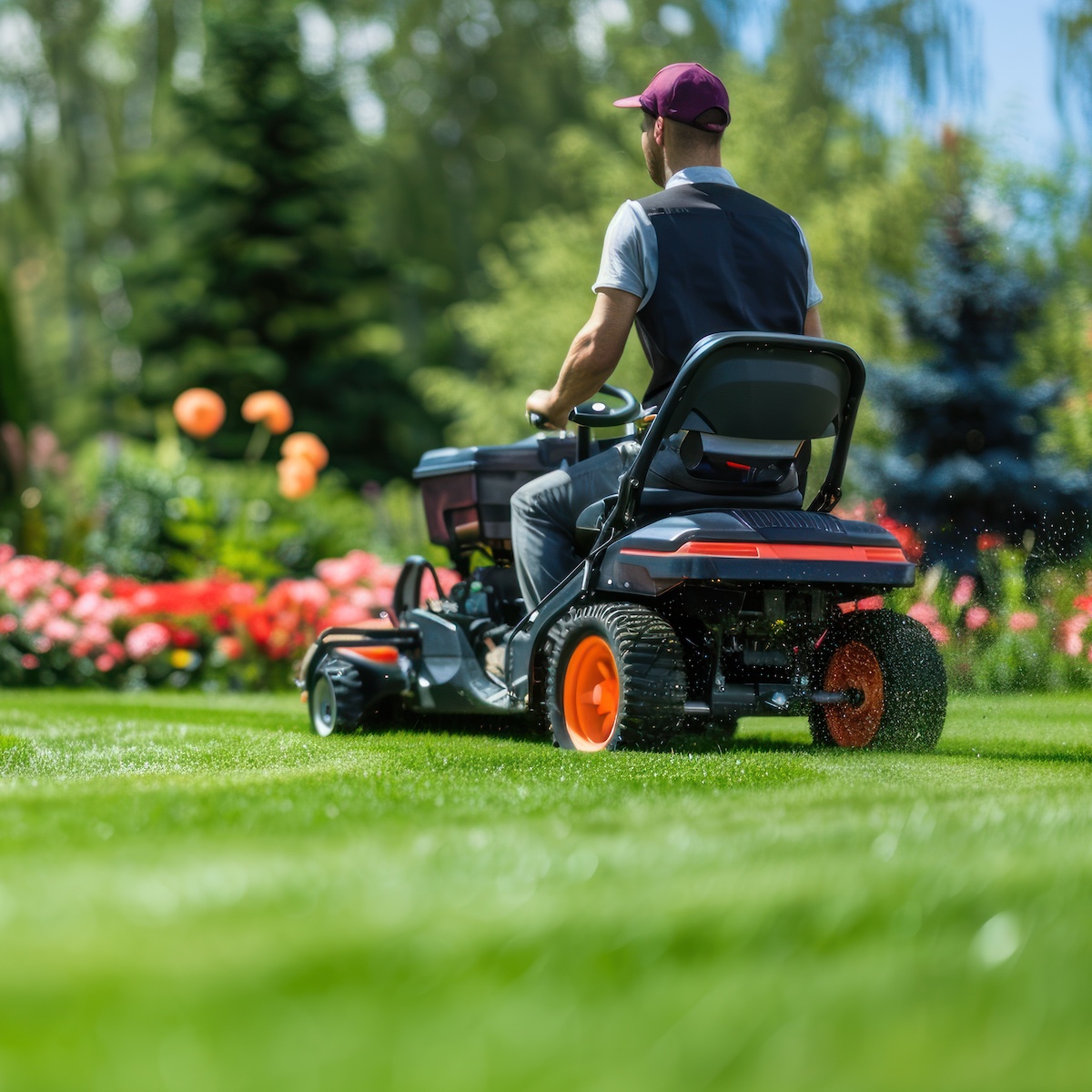
Sharp mower blades produce cleaner cuts and reduce ragged tips. Changing travel direction from one session to the next also limits rutting, soil pressure, and visible striping caused by repeated wheel paths.
Weed Control Preserves Available Resources
Weeds compete with grass for sunlight, moisture, minerals, and growing space. Broadleaf plants, sedges, and unwanted grasses often emerge after rainfall shifts, soil disturbance, or irrigation faults.
Accurate identification should precede treatment because products differ in selectivity and timing. Pre-emergent materials may limit new seedlings, while post-emergent options address visible growth.
Poor application choices can injure desirable turf or leave the underlying cause unresolved.
Pest Management Protects Usable Space
Fire ants, mosquitoes, fleas, ticks, and mole crickets affect both comfort and plant health.
Certain insects damage roots, while others create concerns for people or companion animals using outdoor areas.
A thorough inspection includes turf edges, shaded areas, shrubs, drainage points, and areas where moisture persists.
Targeted treatment reduces unnecessary exposure and addresses the conditions that allow pest populations to remain active.
Seasonal Timing Improves Results
Warm-season grasses usually begin active growth after soil temperatures rise in spring.
Early visits can address winter weeds, inspect irrigation, and identify thin areas before summer stress intensifies.
Peak heat increases the importance of mowing height, watering depth, and traffic control.
Fall applications may reduce cool-season weed pressure before temperatures decline.
Professional Monitoring Measures Progress
Good maintenance depends on repeated observation. Technicians can document turf density, weed levels, blade color, insect activity, irrigation defects, and recent weather.
Comparing those records over time shows whether roots and foliage are responding as expected.
If coverage remains thin, the cause may be shade, compaction, drainage issues, disease, or improper mowing rather than insufficient fertilizer. Monitoring turns visible symptoms into useful management decisions.
- Parents Are Prioritising Breathable, Sustainable Fabrics For Children's Seasonal Sleepwear
- Our Homemade Christmas Printables, Made With AI: What Worked, What Didn't, and What I'm Saving for Next Year
- At-Home vs. In-Lounge IV Therapy in the Hudson Valley: Which Makes More Sense?
- Can Passengers Pursue Compensation After a Car Accident?




Conclusion
Stronger turf develops through coordinated care, not a single product or visit. Grass selection, soil preparation, balanced nutrition, deep irrigation, correct mowing, weed prevention, and pest observation each influence the next stage of growth.
Professional service gives Lexington homeowners a consistent schedule, informed adjustments, and clearer measures of progress.
With timely attention, lawns can develop deeper roots, denser coverage, richer color, and greater tolerance during South Carolina’s heat, humidity, and seasonal pressure.





Leave a Reply