

A child’s first dental visit isn't really about teeth. What the appointment is actually about is familiarity, getting a small person into a room, around a team, and out the other side before anything has gone wrong. That's it. Everything else follows from there.
Finding a pediatric dentist in Brisbane who understands this makes the whole thing considerably easier. Let’s take a look at how to prepare your child for their dental visit.
Jump to:
When should the first visit actually happen?
Most dentists recommend bringing children in around the time their first tooth appears, or by their first birthday at the latest.
That tends to surprise parents who assumed it wasn't worth going until there was a full set of teeth, or until their child was old enough to sit still and follow instructions.
The early visit isn't really about treatment. It's about orientation. A young child who visits a dental practice before anything hurts learns that the experience isn’t too scary after all. That's the goal.
What the first visit typically involves
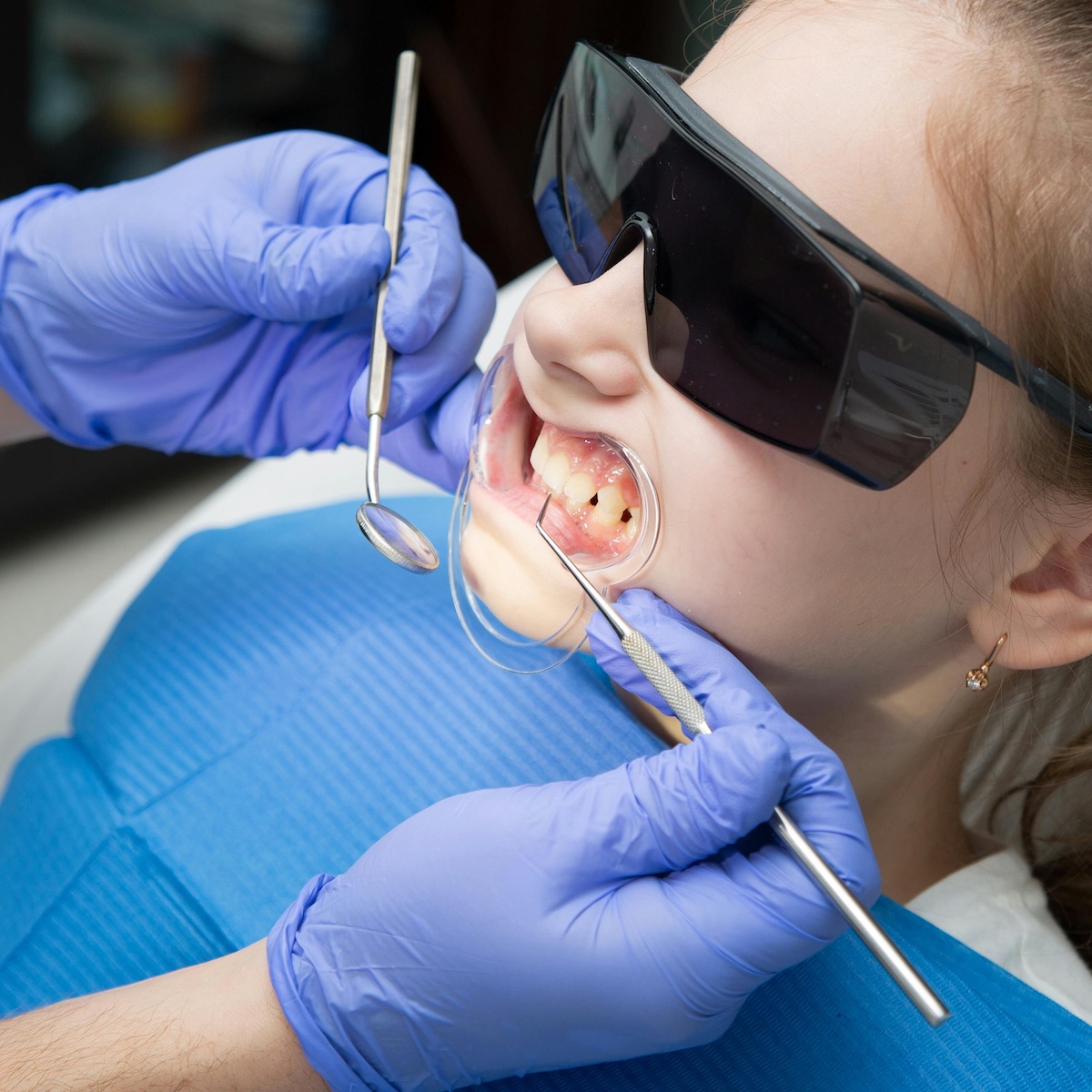
For toddlers and very young children, the first appointment is usually brief. The dentist will take a look at the teeth that have come through, check the gums and jaw development, and talk with you about diet, cleaning habits, and what to expect as more teeth arrive.
There's no drilling. There's generally no X-ray. Your child may not even sit in the chair independently.
In many cases, they'll sit on your lap while the dentist takes a look. The whole appointment might be fifteen minutes.
What dentists are assessing is fairly simple: are the teeth coming through in a healthy way, are there any early signs of decay, and are the parents equipped with the right information to look after them at home?
The anxiety problem
Dental anxiety in children is common. What's less often acknowledged is that it frequently comes from the adults around them.
Children pick up on tension. If you've had difficult dental experiences yourself and you're visibly bracing for the appointment, your child notices. Language matters too.
Telling a child "it won't hurt" before anyone has suggested it might is a form of foreshadowing. You've introduced the idea of pain into a situation that didn't need it.
What works better is low-key honesty. "The dentist is going to count your teeth and look inside your mouth" is accurate and completely boring. Boring is what you're going for.
A few practical things that can help:
- Read a book about it beforehand. There are good picture books specifically about dental visits, aimed at small children. They normalise the experience through story without dramatising it.
- Play dentist at home. Let your child look in your mouth with a spoon, and look in theirs. Count teeth together. The physical proximity of someone looking in their mouth becomes a familiar sensation rather than an intrusion.
- Watch the language around you. If grandparents or older siblings have dental anxiety, try to keep those conversations out of earshot before the appointment.
- Tell them what to expect, in concrete terms. Not "it's fine" but "you'll sit in a special chair, the dentist will use a small mirror and a little torch, and then we'll be done." Specific information is more settling than vague reassurance.
What to Look For In A Dental Practice For Your Child
The physical environment matters more than parents often realise. A clinical, adult-oriented space with an intimidating waiting room is a harder starting point than somewhere that feels considered and calm from the moment you walk in.
Beyond the environment, look at how the team communicates. Good dentists working with young patients take their time. They explain what they're doing as they go.
They don't rush. They treat the child as a participant in the appointment, not just a small person to be managed.
A practice where the whole family can be seen together also reduces friction. When children see their parents attending the same practice and treating dental visits as a normal, ongoing part of life, it helps embed that same attitude early.
At Altura Dental in Cleveland, families receive a full range of general and preventive care.
The practice is designed to feel calm and considered rather than clinical, which tends to make it an easier environment for patients of any age who might otherwise find dental visits unsettling.
The Habits That Matter More Than The Visit Itself
A single dental visit does very little on its own. What actually protects children's teeth is what happens at home between appointments.
Brushing twice a day with a soft-bristled, age-appropriate toothbrush matters from the first tooth. Fluoride toothpaste matters. Supervision matters too.
Most children don't have the manual dexterity to brush their own teeth effectively until they're around seven or eight, which means they’ll need parental help
Diet plays a significant role. Frequent exposure to sugar, including natural sugars from fruit juice and dried fruit, creates conditions that promote decay.
It's not about eliminating these foods but about how often they're consumed and whether teeth are cleaned regularly afterward.
Regular checkups, typically every six to twelve months depending on your child's individual needs, allow dentists to identify any concerns early, before they become more involved to address.
A Note On Children Who Are Particularly Anxious
Some children are genuinely fearful of medical and dental settings, and no amount of preparation makes the visit straightforward.
If this is your child, it's worth speaking with the practice before the appointment so the team can adjust their approach.
A good dental practice won't push a frightened child through a clinical process; they'll adapt the pace and build trust gradually across multiple visits if needed.
It's also worth acknowledging that this takes time. One good visit doesn't undo years of anxiety. But one considered visit, handled well, is a worthwhile starting point.
Last Thoughts
The first dental visit is less of an event than most parents anticipate, provided you find the right practice and go in without making it one.
- Parents Are Prioritising Breathable, Sustainable Fabrics For Children's Seasonal Sleepwear
- Our Homemade Christmas Printables, Made With AI: What Worked, What Didn't, and What I'm Saving for Next Year
- At-Home vs. In-Lounge IV Therapy in the Hudson Valley: Which Makes More Sense?
- Can Passengers Pursue Compensation After a Car Accident?




Keep it low-key, choose a team that communicates well, and focus on making the experience ordinary.
That's what sets the foundation for a child who grows up seeing dental care as something they simply do, rather than something to dread.





Leave a Reply