

The fire alarm went off. Nobody moved. Well, not at first. A few people looked around, waiting for someone else to decide whether it was real. Someone laughed. Another person kept staring at their laptop. It took nearly thirty seconds before the room finally began to empty.
That hesitation is surprisingly common. In many emergencies, the biggest obstacle isn't a lack of equipment, it's the simple fact that our brains need time to process something unexpected. We want confirmation. We hope someone else has the answer. We convince ourselves it's probably nothing.
Mental preparedness helps shorten that pause. It's less about expecting the worst and more about responding calmly when life suddenly refuses to follow the script.
Jump to:
Accept That Surprises Will Happen
Most people don't wake up expecting a power outage, a severe storm, a medical emergency, or an evacuation order. That's exactly why those moments feel overwhelming.
The goal isn't to predict every possible situation. That's impossible. Instead, build a mindset that accepts interruptions as part of life.
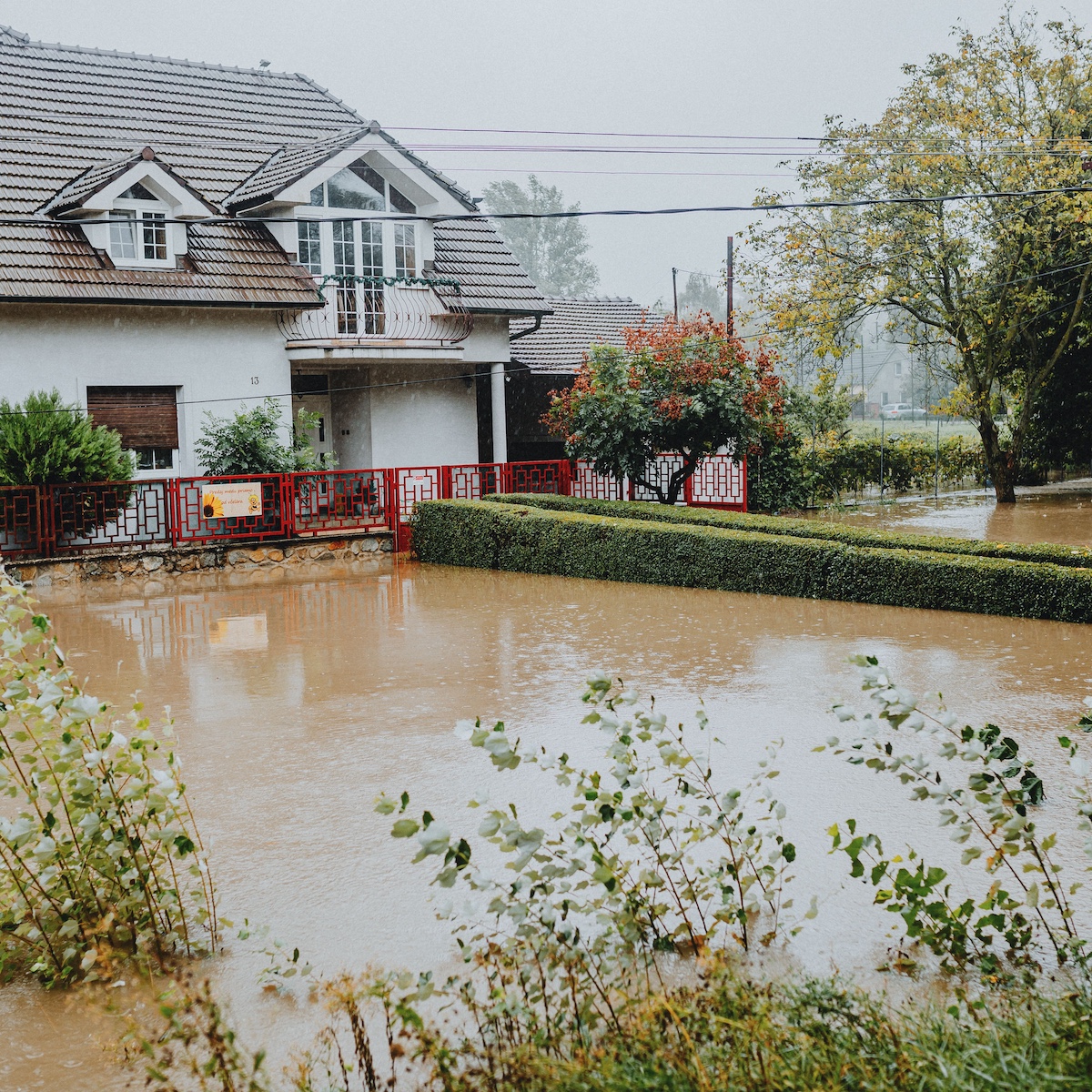
A canceled flight. A flooded basement. A neighborhood blackout. A wildfire that changes travel plans. None of these events are pleasant, but they're easier to manage when you've already accepted that unexpected things sometimes happen.
Preparation begins with flexibility.
Slow Down to Speed Up
Stress has a funny way of making people rush. Ironically, taking one slow breath before acting often leads to better decisions.
Emergency responders frequently rely on simple routines because familiar processes reduce mistakes under pressure. You don't need specialized training to borrow the same principle.
Pause. Take a breath. Look around.
What is actually happening? What needs attention first? Is anyone in immediate danger? Those few seconds of observation can keep a stressful situation from becoming an even bigger problem.
Calm isn't something you magically discover during an emergency. It's something you practice beforehand.
Build Confidence Through Small Habits
Mental preparedness grows from ordinary routines.
Know where your first-aid kit is stored. Save emergency contacts somewhere other than your phone. Keep flashlights in consistent locations. Discuss family meeting places before they're needed.
For households that legally own firearms, routinely checking stored equipment and supplies, including 380 ammo, can simply become another part of those regular preparedness habits.
These habits reduce the number of decisions you'll have to make when your attention is already stretched.
The less you need to figure out in the moment, the more mental energy you have for solving the problem that's actually in front of you. That's a trade worth making.
Focus on What You Can Control
It's easy to spiral during uncertain situations. What if the outage lasts longer? What if help is delayed? What if this gets worse?
Those questions are understandable, but they rarely produce useful answers. Instead, shift your attention toward immediate actions.
Charge available devices. Check on family members. Gather essential supplies. Listen to reliable sources for updates. Lock the doors if appropriate. Help someone nearby if you safely can.
Action has a way of reducing anxiety because it replaces speculation with progress.
Preparation Includes Responsible Decisions
Every household has different circumstances and different approaches to personal safety.
For those who lawfully own firearms, responsible ownership includes secure storage, ongoing training, and a commitment to handling equipment safely.
A firearm is one part of a broader emergency plan, not the plan itself.
The same practical thinking applies to ammunition selection. Some owners compare 380 ammo based on reliability, recoil feel, point of impact, controllability, and how it performs in their specific firearm.
The practical standard remains simple: equipment should function reliably, perform consistently, and be tested with the firearm and magazines that will actually be used.
Safe storage is essential, especially in homes with children or visitors. Good preparation is built on judgment rather than assumptions.
Practice Before You Need It
Confidence rarely appears out of nowhere. It grows from repetition.
Walk through emergency plans with your family once or twice a year. Practice evacuation routes.
Review communication plans. Replace expired supplies before they become a problem, instead of after.
These aren't dramatic exercises. They're quiet reminders that preparation doesn't have to consume your life to improve it.
In fact, the best emergency plans often fade into the background because everyone already knows what to do. That's success.
Mental preparedness isn't about becoming fearless. Fear is a normal human response. The goal is to keep fear from making every decision for you.
- Parents Are Prioritising Breathable, Sustainable Fabrics For Children's Seasonal Sleepwear
- Our Homemade Christmas Printables, Made With AI: What Worked, What Didn't, and What I'm Saving for Next Year
- At-Home vs. In-Lounge IV Therapy in the Hudson Valley: Which Makes More Sense?
- Can Passengers Pursue Compensation After a Car Accident?




When the unexpected happens, and eventually it will, you may still feel stressed. That's okay. The difference is that you'll have a plan to lean on instead of relying entirely on instinct.
The emergency contacts are ready. The supplies are organized. If serious tools are part of the household, they're secured, maintained, and handled responsibly.
No panic. No bravado. Just steady thinking, practical habits, and the quiet confidence that comes from being prepared before the moment arrives.





Leave a Reply