

Shopping for bras is rarely anyone’s favourite errand, and then pregnancy arrives, and your old favourites suddenly feel like they were designed for someone else.
If you are wondering when to buy nursing bras, the honest answer is: not all on the same day, and probably not as early as your first positive test unless your body is already telling you otherwise.
Timing matters because breasts change size and sensitivity across pregnancy and postpartum, and a bra that fits in month five may feel wrong by week one with a newborn.
A well-chosen maternity nursing bra can cover both late pregnancy and early feeding if you pick for adjustability, not for how you looked pre-bump.
Below is a stage-by-stage guide, including when a maternity bra alone is enough and when to add nursing styles to your drawer.
This is general guidance for expectant and new mums, not medical advice. If you have breast pain, mastitis symptoms, or concerns about fit during pregnancy, speak to your midwife, GP, or a bra fitter experienced in maternity sizing.
Jump to:
When to Start Wearing a Maternity Bra
Many mums first ask when to start wearing maternity bra styles when ordinary bras start to dig in, rub, or leave marks. That can happen as early as the first trimester for some women, or not until the second or third, there is no single calendar date that fits everyone.
Signs it is time to switch include:
- Tender, fuller breasts that overflow your usual cup
- Underwire sitting on breast tissue rather than your rib cage
- Band feeling tight even on the loosest hook
- Needing sleep comfort, you may want a soft wireless bra at night before you need a dedicated nursing bra by day
A maternity bra offers wider straps, a softer band, and stretch in the cup so growth does not mean buying a new bra every fortnight. You do not have to jump straight to nursing clips if you are not feeding yet; a good maternity bra buys you comfort while you decide your feeding plans.
When in Pregnancy to Buy Nursing Bras
So when in pregnancy to buy nursing bras specifically, rather than maternity-only styles? Most fitters and lactation-friendly brands suggest the **late third trimester**, often around weeks 34–36, when your rib cage and bust are closer to early postpartum proportions.
Why wait that long?
- Cup size can jump again in the final weeks and immediately after birth when milk comes in
- Nursing bras with multiple hook rows and stretch cups adapt better when bought slightly roomy on the band, snug-but-not-tight in the cup
- You avoid a drawer of bras that never fit once baby arrives
Exception: if you plan to breastfeed and want one or two nursing styles ready for the hospital or birth centre, buying in the last month is reasonable. Choose adjustable designs rather than guessing your exact post-birth cup. Some mums buy one nursing bra late in pregnancy and add more after supply settles at two to four weeks postpartum.
For a fuller breakdown of trimester timing and sizing mindset, this best time for nursing bras guide walks through common milestones without treating shopping like a race.
Maternity Bra vs Nursing Bra: Do You Need Both?
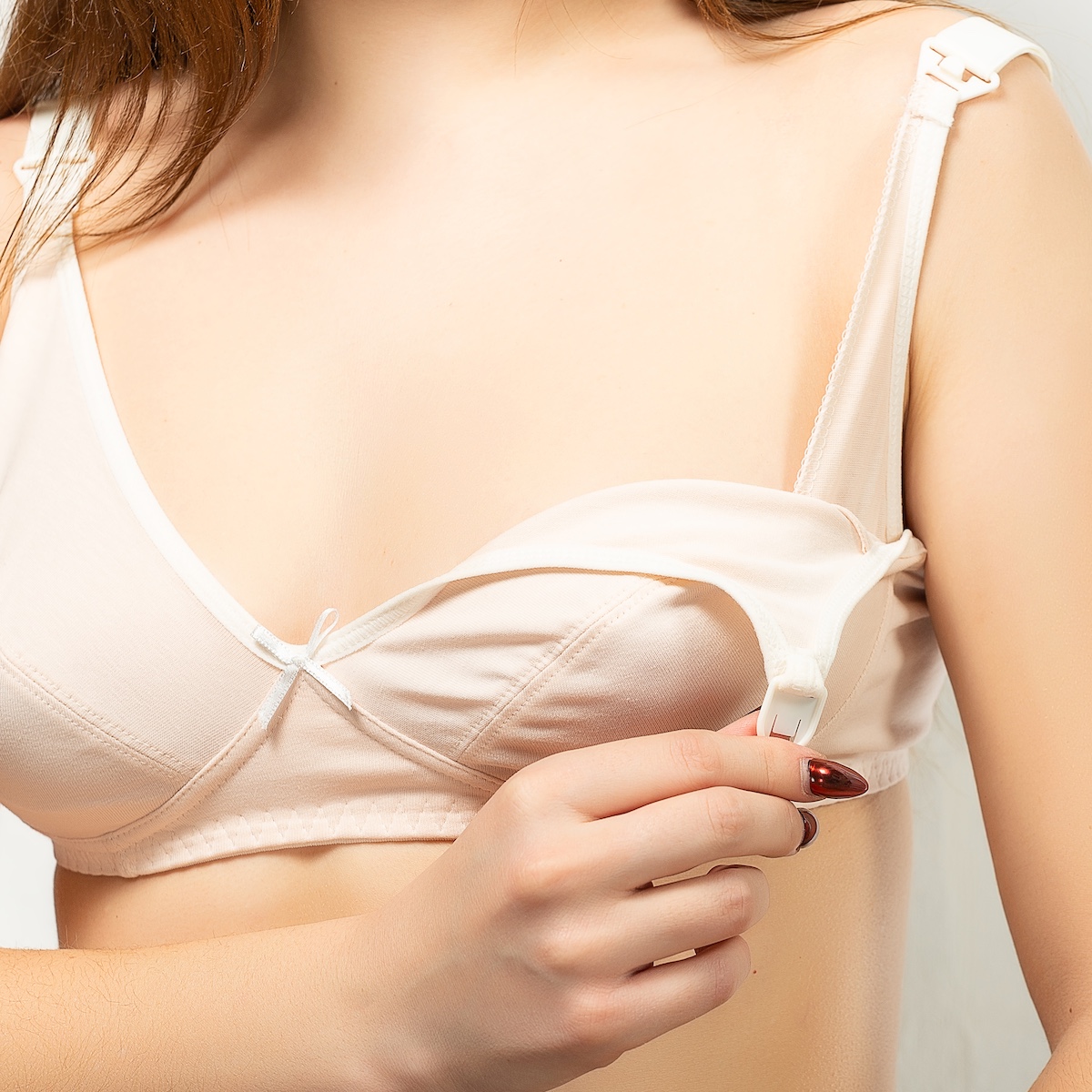
They overlap but are not identical. A maternity bra supports changing shape during pregnancy. A nursing bra adds clip-down or pull-aside access for feeding (and often for pumping).
Many mums use a maternity bra through mid-pregnancy, then introduce one or two nursing bras in the last weeks if they plan to breastfeed. Others prefer a **maternity nursing bra** hybrid from the start of the third trimester, one garment that transitions into postpartum. That can save money and drawer space if the fit is right.
If you are combination feeding or unsure about breastfeeding, you might still want one nursing bra for easy access during the learning phase, even if bottles play a big role later. If you know you will not breastfeed, maternity bras alone are fine until you return to regular styles after recovery.
The Best Time to Buy Before Baby Arrives
Think in layers rather than one big haul:
- First or second trimester , switch to a comfortable maternity bra when needed; no nursing clips required yet
- Third trimester , consider a professional or at-home fitting for nursing styles if you plan to breastfeed
- Last two to four weeks , buy one or two nursing bras to take to hospital; wash them before birth so they are ready
- Two to four weeks postpartum , reassess size after milk supply stabilises; add another bra or two if daily rotation needs it
Avoid the trap of buying every bra in your third trimester cup size without room to tighten or loosen the band. Many mums need a different hook setting or cup feel once engorgement eases.
Do You Really Need to Buy Nursing Bras?
Strictly speaking, no law requires nursing bras. Some mums feed successfully in stretchy crop tops or sleep bras with pull-aside access. But dedicated nursing styles solve problems generic bras create:
- One-handed clips when you are holding a hungry newborn
- Cup separation so you can feed from one side without undressing fully
- Wireless support that reduces pressure on full, sensitive tissue
- Pump compatibility on many styles if you express, flanges stay in place better than in a standard sports bra
If you will breastfeed or pump even occasionally, one or two nursing bras are usually worth the investment for comfort and access. If you rarely feed at the breast and mostly pump, a pumping-friendly nursing bra may matter more than multiple clip-down styles.
When to Buy New Bras After Breastfeeding
When you wean, gradually or suddenly, your size often shifts again over weeks or months. When to buy new bras after breastfeeding depends on how your body settles:
- Immediately after weaning , breasts may feel fuller or uneven; wait if you can before investing in expensive everyday bras
- Four to eight weeks after last regular feed , many mums find a stable size for non-nursing bras
- After your period returns , hormonal cycles can change cup size again; a final fit check helps
Nursing bras in good condition can sometimes work as comfortable wireless everyday bras if clips are not in your way. When underbands feel loose on every hook or cups gape, it is time to replace, not because you failed at breastfeeding, but because support has done its job through a intense year.
Quick Timing Tips Without Overbuying
You do not need six bras before birth. A sensible starter plan for many UK mums:
- One or two maternity bras for pregnancy comfort
- One or two nursing bras bought late in pregnancy or early postpartum
- Reassess after a month of feeding before adding more
Shop when you can try styles comfortably, read return policies in case post-birth fit differs, and prioritise soft fabrics and adjustability over lace trends that scratch during cluster feeds.
FAQ'S
Most mums benefit from buying nursing bras in the late third trimester, around weeks 34–36, when size is closer to early postpartum. Buy one or two adjustable styles before birth if you want them for hospital; add more after your milk supply settles if needed.
Not legally, but if you plan to breastfeed or pump, dedicated nursing bras make access and comfort much easier than regular bras or crops. One or two well-fitted styles are enough to start.
Wait until your size stabilises, often four to eight weeks after weaning or once periods return. Replace when bands feel loose on every hook or cups no longer fit, many mums need a fresh everyday bra after lactation ends.
When your usual bra feels tight, painful, or too small, often in the first or second trimester, but timing varies. Switch to soft, wireless maternity styles for comfort as soon as you notice consistent discomfort.
When to buy nursing bras really comes down to two questions: when your pregnant body needs support, and when your feeding plans make clip-down access worth having. Start with maternity comfort, add nursing styles late in pregnancy if you plan to breastfeed, and give yourself permission to reassess once baby is here, your bra drawer can grow with you, one sensible purchase at a time.
What a Nursing Bra Does (Generic Explainer)
A nursing bra is designed for lactation with cups that open independently, usually via clip-down straps, so you can breastfeed or attach pump flanges without removing the whole garment. Maternity nursing versions add the same access while using stretchier fabrics and wider bands to accommodate pregnancy growth.
- Parents Are Prioritising Breathable, Sustainable Fabrics For Children's Seasonal Sleepwear
- Our Homemade Christmas Printables, Made With AI: What Worked, What Didn't, and What I'm Saving for Next Year
- At-Home vs. In-Lounge IV Therapy in the Hudson Valley: Which Makes More Sense?
- Can Passengers Pursue Compensation After a Car Accident?




Compared with ordinary bras, nursing designs use hook-and-eye rows that adjust as your rib cage changes and wireless construction that avoids rigid underwire pressing on full breast tissue. Stretch cups accommodate fluctuating volume between feeds; structured cups without stretch can feel fine one hour and tight the next.
The right nursing bra supports comfort and access during a short, intense chapter of motherhood. It does not predict breastfeeding success on its own; latch support, feeding frequency, and your wellbeing matter far more, but buying at the right time means one less friction point when you are already learning everything else on the job.





Leave a Reply