

Have you ever stood in a baby store and wondered how something so small can require so much space? A crib, a changing table, bins for clothes that fit for three months, and suddenly your spare room feels tiny.
It is easy to plan for the first year, but babies grow quickly.
In this blog, we will share how to design a living space that adapts as your child grows while saving money, time, and stress.
Jump to:
Thinking Beyond the Newborn Stage
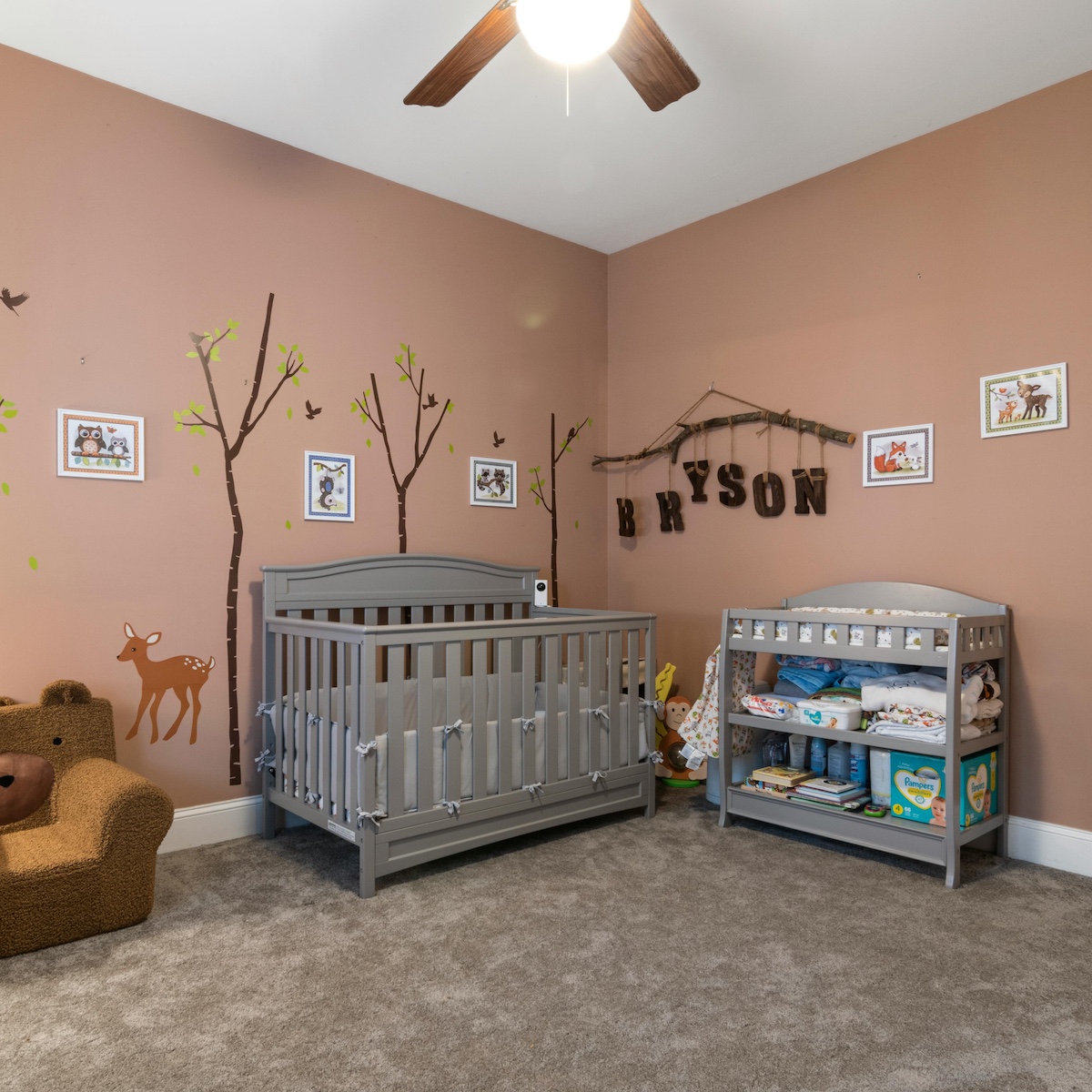
Many parents design a nursery with the newborn months in mind. Soft colours, a cosy crib, and a rocking chair feel like the priority. Those choices matter, yet the newborn phase is short.
Within a year, your baby will be standing, pulling on drawers, and exploring every corner of the room.
Planning long-term means choosing pieces that can evolve. A crib that converts into a toddler bed extends its usefulness. A dresser that works later as regular bedroom storage avoids another purchase.
Storage solutions that hold toys now can store books and school supplies later. This approach reduces waste and limits the constant cycle of replacing furniture.
There is also a broader trend shaping these decisions. Many families are living in smaller homes due to rising housing costs.
Urban apartments and compact suburban houses demand smart use of space. Parents are thinking more carefully about what they bring into their homes.
Instead of filling a nursery with single-purpose items, they look for adaptable pieces that grow with the child.
Material choice also plays a role. Safety standards have improved over the years, and parents pay closer attention to finishes, emissions, and durability. Investing in sustainable babyletto furniture aligns with this shift toward quality and environmental awareness.
Well-made pieces that meet safety guidelines and last beyond infancy reduce the need for replacements. That benefits both your budget and the planet.
Long-term planning also requires thinking about layout. Keep heavy furniture secured to walls. Leave open floor space for crawling and early play.
Arrange items so that daily tasks, such as diaper changes and nighttime feedings, flow smoothly. A room that works for you now should still feel open and flexible when toys and books multiply.
Designing for Safety and Flexibility
Safety is the foundation of any baby’s living space, but it should not come at the expense of practicality. Start with anchoring furniture to prevent tipping. Install outlet covers and keep cords out of reach.
Choose window coverings without long strings. These steps may sound simple, yet they prevent common accidents.
Flexibility becomes important as your baby develops new skills. A soft play area near the crib works well during the first year. As your child grows, that same corner can become a reading nook.
Low shelves allow toddlers to access toys independently, supporting development and reducing constant requests for help.
Lighting deserves attention, too. A dimmable lamp supports nighttime feedings without fully waking the baby.
Later, good task lighting helps with reading and homework. Avoid harsh overhead lights that create glare and discomfort.
Parents today also think about air quality. With more awareness of environmental health, many choose low-VOC paints and natural materials.
A simple air purifier can improve circulation, especially in urban areas where outdoor air may not always be clean.
Flexibility extends beyond furniture. Keep wall decor simple and easy to update. Instead of painting detailed murals, consider removable decals or framed art that can change as interests evolve.
What feels adorable at six months may not appeal to a five-year-old who loves space rockets or animals.
Storage That Grows With Your Child
Storage becomes one of the biggest challenges in a child’s room. Babies come with tiny clothes but surprisingly large amounts of gear. As they grow, the gear shifts from swaddles to building blocks, from rattles to art supplies.
Planning storage early reduces clutter later. Choose a mix of closed drawers and open bins. Drawers hide items you do not want visible, while bins make toys easy to access and clean up.
Labeling bins, even with simple pictures, teaches organization as children get older.
Closet systems can also adapt over time. Adjustable rods and shelves allow you to raise or lower storage as clothing sizes change. Instead of installing fixed shelves, consider modular systems that move with your needs.
Many families are also embracing minimalism. The idea is not to deprive children but to reduce excess. Rotating toys every few months keeps the room fresh without constant purchases. Donating unused items frees space and teaches generosity.
Budgeting With the Long View in Mind
It can feel tempting to buy the cheapest option when planning a nursery, especially since babies outgrow things quickly. However, replacing low-quality furniture multiple times often costs more in the long run.
A thoughtful investment upfront can save money over several years.
Create a simple budget that separates essentials from extras. Essentials include a safe crib, a firm mattress, storage, and proper lighting.
Extras might include decorative items that do not impact function. When funds are limited, prioritize items that last.
Hand-me-downs and secondhand purchases can be smart choices if safety standards are met. Check recall lists and ensure items are structurally sound.
Refinishing or repainting older pieces with safe materials can extend their life.
It is also helpful to think about resale value. Quality furniture retains value better than low-cost alternatives. If you decide to redecorate later, you may recover part of your investment.
Creating a Space That Reflects Family Values
A baby’s room is more than a place to sleep. It reflects your family’s habits and priorities. Some families value simplicity and calm.
Others prefer bold colors and playful themes. Long-term planning does not mean sacrificing personality. It means balancing style with function.
Consider how the room supports daily routines. Is there a comfortable chair for reading stories? Is there space for quiet play?
Are frequently used items easy to reach? Small adjustments can make daily life smoother.
Current parenting trends also emphasize shared experiences. More families are setting up small activity zones that encourage interaction, such as a reading corner or a low table for crafts. These choices support bonding and creativity.
At the same time, technology has entered many nurseries. Baby monitors with video features and smart devices can add convenience. Place these tools thoughtfully to avoid clutter and maintain a calm environment.
Designing the Baby Room
Long-term planning for your baby’s living space requires patience and foresight.
It involves thinking beyond the first year and imagining how the room will function when your child is walking, talking, and learning.
By choosing adaptable furniture, prioritizing safety, and focusing on quality, you create a space that grows alongside your child.
- Parents Are Prioritising Breathable, Sustainable Fabrics For Children's Seasonal Sleepwear
- Our Homemade Christmas Printables, Made With AI: What Worked, What Didn't, and What I'm Saving for Next Year
- At-Home vs. In-Lounge IV Therapy in the Hudson Valley: Which Makes More Sense?
- Can Passengers Pursue Compensation After a Car Accident?




This approach reduces stress, limits waste, and supports development. It allows the room to shift naturally as your child’s needs change.
Most importantly, it creates a stable and welcoming environment where your child can rest, play, and grow with confidence.





Leave a Reply