

How to Plan Your Next Outdoor Escape begins with choosing the right destination that aligns with your sense of adventure, whether it’s a quiet forest retreat or a mountain cabin surrounded by scenic trails.
Start by setting a realistic budget, checking seasonal weather, and packing only the essentials for comfort and safety.
Incorporate a mix of activities, like hiking, kayaking, or simply unwinding by a campfire, to balance relaxation and exploration.
The goal is to reconnect with nature and return refreshed, grounded, and ready to face the demands of everyday life.
Whether it’s your first time planning an outdoor trip or you’ve done it before, organising a mountain getaway takes more than packing a bag.
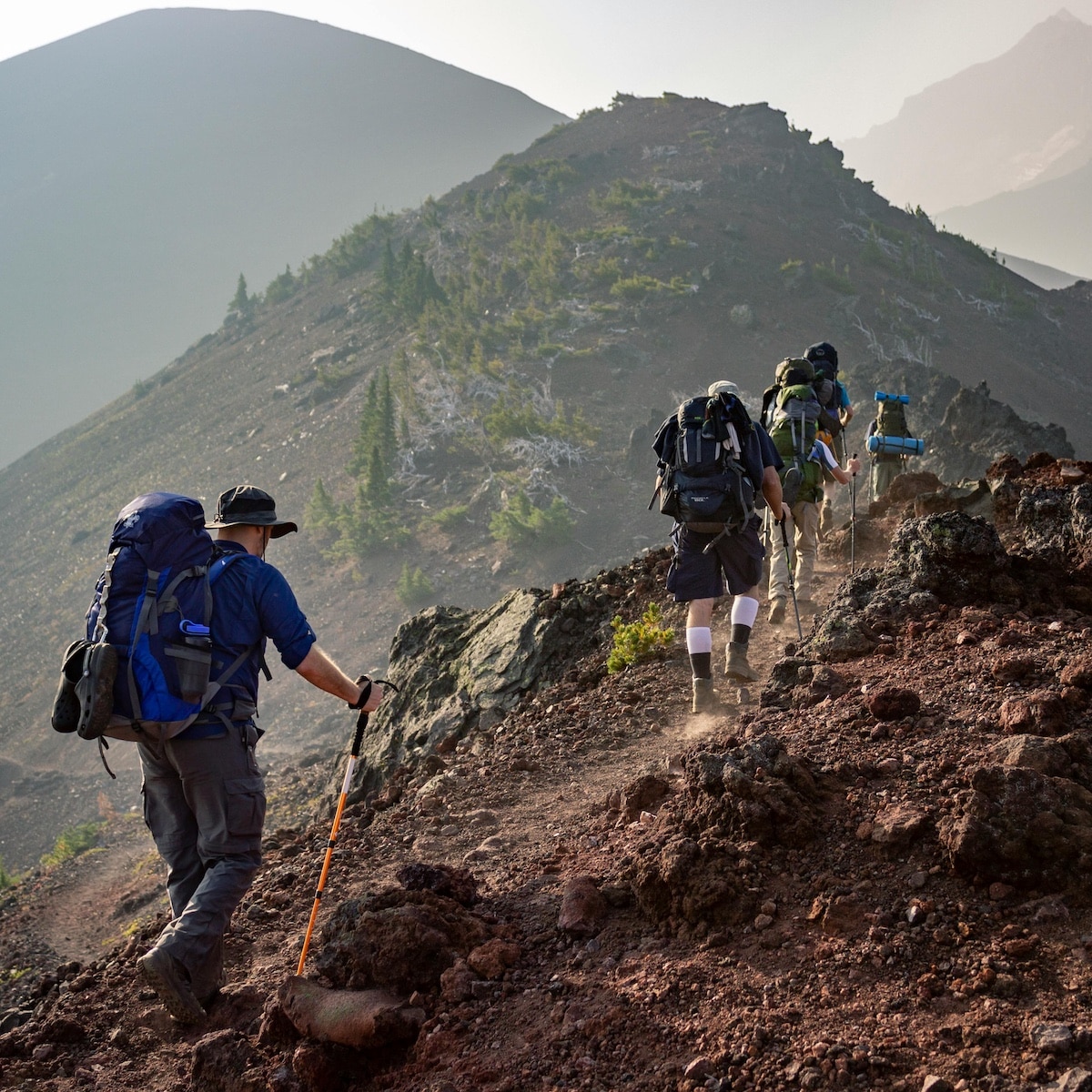
Oregon is one of the best states for an outdoor adventure. With its mix of forests, rivers, and mountains, it’s no surprise that many hikers and nature lovers visit every year.
In this blog, we will share helpful tips for planning your next outdoor escape, from picking a destination to making the most of your time outside.
Jump to:
Choose the Right Destination
The first step in planning your mountain escape is choosing the right destination. Not all mountain spots offer the same experiences.
Some places are great for beginners, while others are better for people with more outdoor experience.
Think about what you want from your trip. Do you want peaceful views, exciting hikes, or a mix of both?
Also, check how far the location is from your home and how you’ll get there. The right spot makes a big difference.
Research different areas before making a choice. Look at photos, reviews, and park websites.
Think about the time of year you want to go, because some trails or roads may close during winter.
If you’re travelling with others, make sure the place fits everyone’s needs.
Once you’ve chosen your destination, it becomes easier to plan the rest of your trip, including where to stay and what to pack.
Explore the Best Hiking Spots
Hiking is one of the most popular outdoor activities, and the mountains are full of great trails.
If you're thinking about exploring the Pacific Northwest, Oregon hiking trails are some of the most beautiful in the country.
With everything from short forest walks to longer, challenging climbs, Oregon offers something for everyone.
These trails give you the chance to see waterfalls, rivers, and wide mountain views. Whether you're new to hiking or very experienced, you’ll find a trail that fits your level.
One helpful resource to explore is iTrip Northwest, which lists some of the top places to go hiking in Oregon.
Their blog highlights beautiful locations like Silver Falls State Park, the Columbia River Gorge, and Smith Rock. These spots are perfect for a mountain getaway.
You can also find tips on where to stay nearby, what gear to bring, and how to prepare for your hike.
Planning your hiking routes ahead of time helps you feel confident and excited about your trip.
Pack Smart for the Outdoors
Packing the right items is key to having a great time outdoors. The gear you bring depends on your activities, the weather, and how long you’ll stay. Start by making a checklist.
Include basics like clothing, hiking boots, water bottles, sunscreen, and a first-aid kit.
If you plan to camp, you’ll also need a tent, sleeping bag, cooking supplies, and food.
Always pack extra socks and layers. The weather in the mountains can change quickly.
Try to keep your backpack light but full of useful items. Don’t forget your phone charger or a power bank if you’ll use your phone for maps or photos.
Carry snacks with protein and energy, like trail mix or granola bars. Also, bring a paper map in case you lose phone service.
Good packing helps you stay safe and feel prepared for anything. It also saves you time and trouble during your trip.
🤖 Looking For An Answer?
Ask AI to summarise this post to see if the article answers your questions:
Understand the Weather and Seasons
The weather can change fast in mountain areas, so it’s important to check the forecast before and during your trip.
Some mountain spots stay snowy for months, while others have dry summers and wet falls.
Knowing the season helps you decide what to wear, how to travel, and what activities are best.
If you're planning to hike or camp, make sure you understand the temperatures during the day and night.
Don’t rely only on a weather app. Look up local news or park websites for current trail conditions or weather warnings.
Sometimes, trails close due to snow, fire, or high winds. Bring clothes for layering so you can stay warm or cool depending on the weather.
Always pack a waterproof jacket, even if the forecast looks clear. Being prepared for weather changes can help you stay comfortable and safe throughout your outdoor adventure.
Plan Where to Stay
Choosing where to stay depends on how you want to spend your time. Some people enjoy camping under the stars, while others prefer staying in a cosy cabin or lodge nearby.
Campgrounds are usually cheaper and let you stay close to nature. Cabins or mountain rentals give you more comfort and make it easier to cook meals or rest after long hikes.
It’s a good idea to book early, especially during holidays or weekends.
Look for places with good reviews, clear directions, and access to hiking trails or lakes.
If you're travelling with family or friends, choose a spot with enough space for everyone. You can also stay in a nearby town and drive to the trails each day.
Decide what fits your style, budget, and comfort level. Having a place to relax after a long day makes your trip more enjoyable and helps you sleep better at night.
Practice Trail Safety
Trail safety is an important part of every mountain trip. Even easy hikes can become dangerous if you're not careful. Always tell someone where you’re going and when you plan to return.
Bring a fully charged phone and a small first-aid kit. Stick to marked trails and read the signs along the way.
These signs give you important tips about animals, weather, and trail conditions.
- Parents Are Prioritising Breathable, Sustainable Fabrics For Children's Seasonal Sleepwear
- Our Homemade Christmas Printables, Made With AI: What Worked, What Didn't, and What I'm Saving for Next Year
- At-Home vs. In-Lounge IV Therapy in the Hudson Valley: Which Makes More Sense?
- Can Passengers Pursue Compensation After a Car Accident?




Keep a safe pace and take breaks when needed. Drink water often and carry enough for the whole hike. Watch for loose rocks or muddy areas, which can cause falls.
If you see wildlife, stay calm and keep your distance. Don’t feed animals or leave trash behind.
Staying safe helps you enjoy your time and avoid problems. Being prepared means you can focus more on the fun and less on the risks.
In conclusion, when the mountains call, it’s a signal to slow down, explore, and breathe. A well-planned outdoor escape helps you disconnect from stress and reconnect with nature and yourself.
Whether it’s Oregon’s lush forests or a mountain range across the country, the experience stays with you long after you return.
Let your next adventure bring you peace, excitement, and a deeper appreciation for the world around you.





Leave a Reply