

Have you ever looked at your garden and had all these ideas for it, but not known where to start? I've been there. Seed catalogs, Pinterest boards, big ideas... then reality hits. Where do the tomatoes go? How wide should the path be? Let's break it down, step by simple step.

First, know your spot
Light is the first thing to check. Spend a day observing the sun’s trail across your yard.
What areas receive full sun? Which areas are in shade most of the day? Certain plants require at least 6 hours of direct sunlight. Others prefer shade.
If you don't take this into account, your plants will suffer even if you take good care of them.
Next, think about soil. Grab a handful. Is it sticky? Sandy? Crumbly like chocolate cake? You can fix the soil later.
But knowing what you have helps. Drainage matters too. After a heavy rain, walk around your yard. Are there puddles that stay for days?
Low spots can cause root rot. Such places may be more suitable for plants that can withstand moist soil or perhaps for a mini rain garden.
Check your access to water. Where is the outdoor tap? How far will you need to drag a hose? If you plan a vegetable patch at the far end of the yard with no easy water source, you may regret it in July.
And keep in mind your climate. Also consider the summer heat, wind exposure and the frost dates. A sunny and very windy spot is going to need hardier plants.
What is the purpose of your garden?
Are you trying to picture enjoying your evening meal topped off with freshly harvested tomatoes and herbs?
Then a vegetable garden should be a priority. Good sun, accessibility and room for either raised beds or rows.
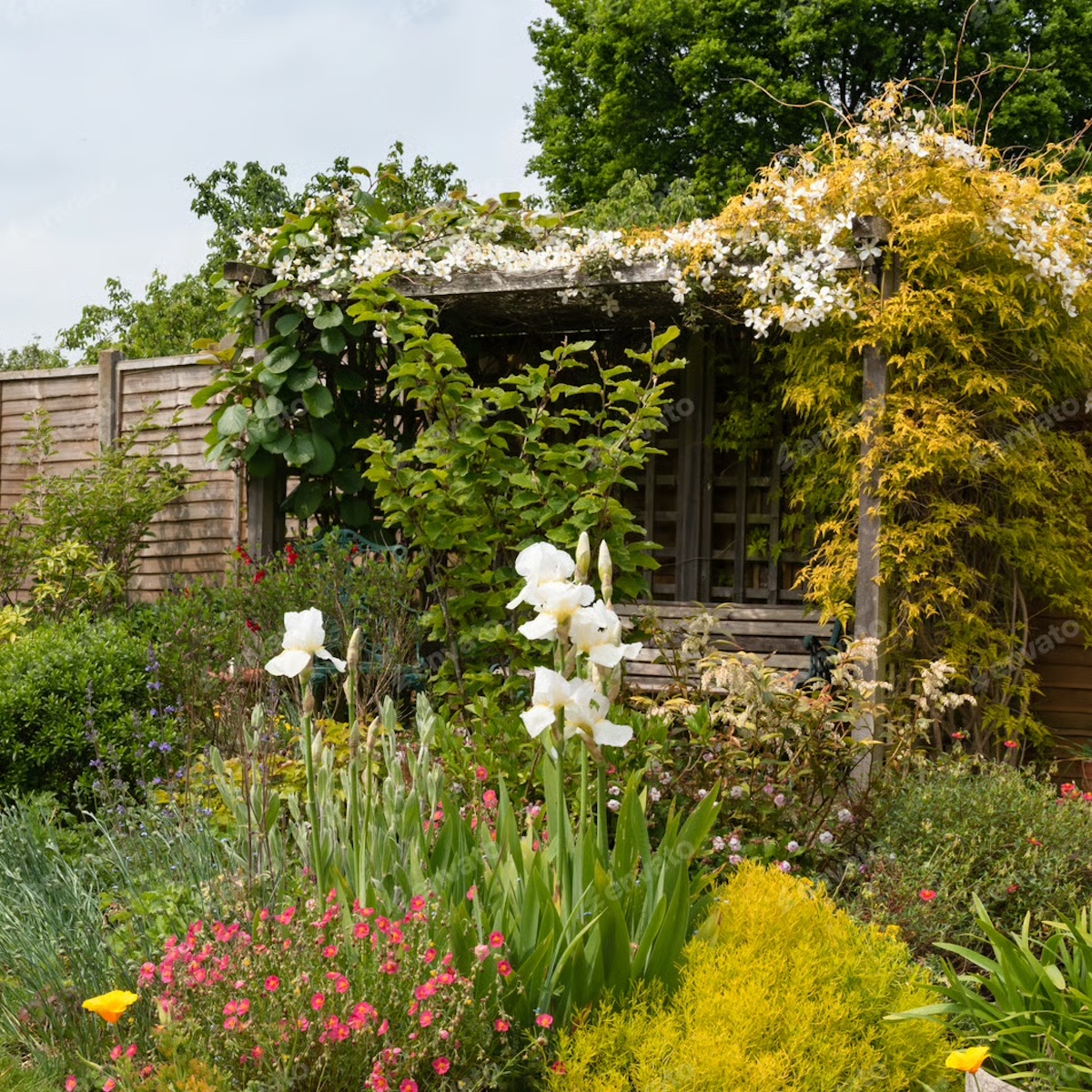
Or do you imagine a space full of color and blooms? A flower garden can be more flexible with layout, but still needs a plan. You may want flowers for cutting, or a pretty border along the fence.
Some people want both. Mix it up! Herbs by the kitchen door. Honey bees and butterflies sway to the floral scent.
Only make them understand the extent of space you are willing to give each entry.
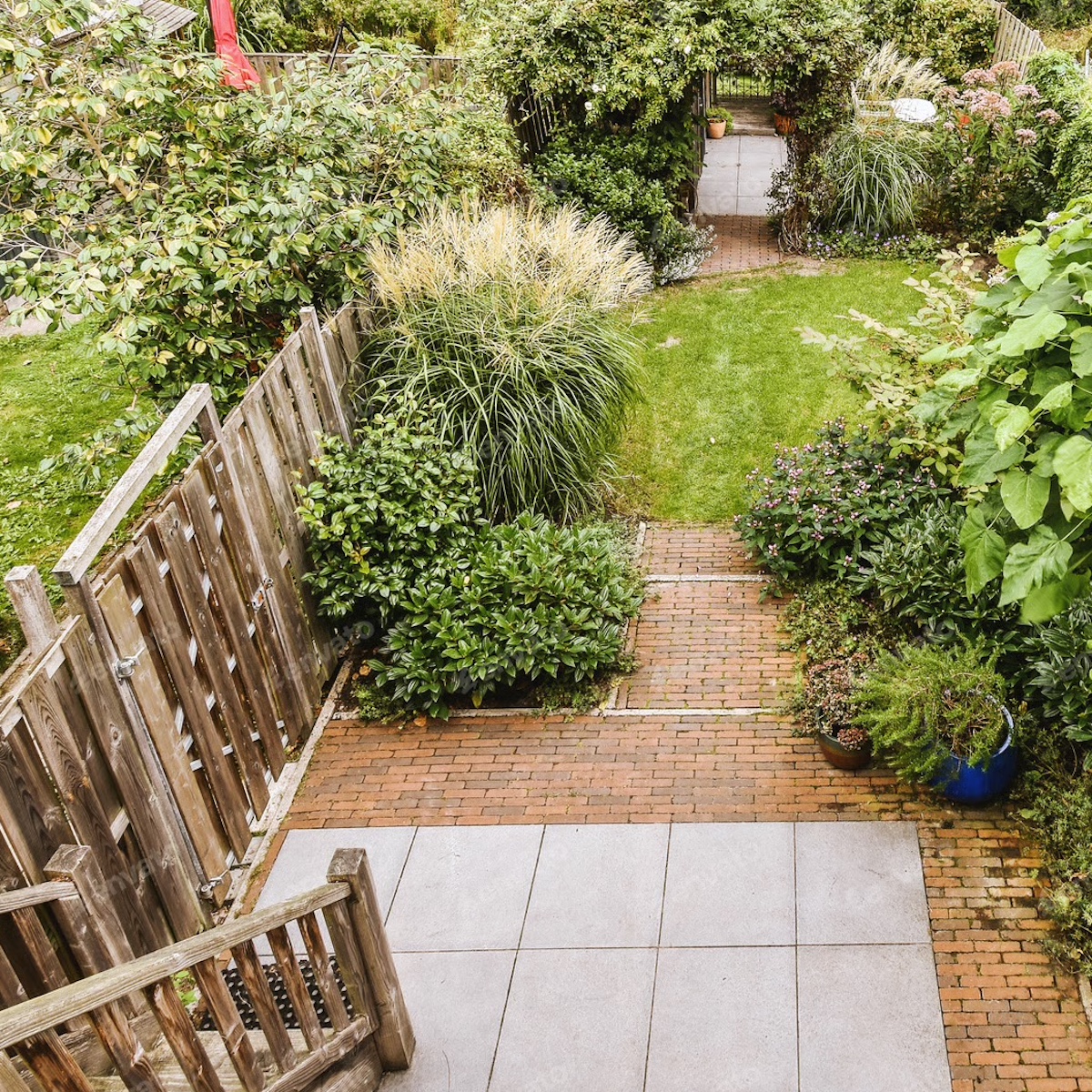
It is of great help to designate zones. For instance, one plot can be for vegetables, another for flowers and yet another for a small seating spot.
Measure your space and draw a simple layout
This is the step that makes everything feel real. I recently tried using a garden planner to help visualize my ideas.
It took the guesswork out of spacing and layout. But even without tech tools, you can map out a garden that works.
Grab a tape measure. Note the length and width of your space. Measure any existing features too. Patios, sheds, trees, fences. Even large shrubs should be marked.
You don’t need to be an artist. Grab a piece of paper and draw a simple outline. Keep it to scale as much as possible. For example, one square on paper could equal one meter or one foot in real life.
Mark sunny and shady areas. Note where water collects. Add the water tap. This becomes your base map.
From there, start sketching ideas. Where could raised beds go? Where might a flower border look nice? Leave enough room for paths. You need to walk, weed, and harvest without stepping on plants.
Paths are often forgotten. They matter more than you think. A narrow path that looks fine on paper can feel cramped in real life. Make them wide enough for a wheelbarrow if you plan to use one.
Keep it simple. This isn't architecture class. It's a living draft. You can change it next season. That's the fun part.
Place plants with purpose
Tall plants go on the north side. That way, they won't shade shorter neighbors. Think corn, sunflowers, or beans on a trellis.
Group plants with similar needs. Tomatoes and basil love sun and regular water. Ferns prefer shade and moist soil. Save yourself time by grouping them.
Consider the different seasons throughout which you may grow your plants, and what early-season plants you would like to grow with later-season plants (i.e. early-planted lettuce, later-planted tomatoes).
Companion planting helps too. Marigolds near veggies can deter pests. Nasturtiums attract aphids away from your beans. It's like a little plant teamwork.
Leave space for flexibility
Here's my best advice: Don't fill every inch. Leave a blank bed or corner.
Gardens evolve. You'll discover a new plant you love at the farmers' market. Your needs change. Kids grow. Hobbies shift.
Start small. A 4x4 foot bed is plenty for year one. Master it. Then expand.
Flexibility takes the pressure off. If a plant fails, you have space to try again. No guilt. Just learning. That empty spot? It's an invitation, not a mistake.
You've got this
Planning a garden isn't about perfection. It's about creating a space that brings you joy. A place to grow food, beauty, or just peace.
Your garden will change. That's the magic. One season you might focus on herbs. Next year, maybe a cutting garden.
- Parents Are Prioritising Breathable, Sustainable Fabrics For Children's Seasonal Sleepwear
- Our Homemade Christmas Printables, Made With AI: What Worked, What Didn't, and What I'm Saving for Next Year
- At-Home vs. In-Lounge IV Therapy in the Hudson Valley: Which Makes More Sense?
- Can Passengers Pursue Compensation After a Car Accident?




Let it unfold. The best gardens are the ones that make you happy when you look out the window.
If you are standing outside at this moment and have no idea where to start, start small.
Check your position out. Set your priorities. Draw a basic design. Imagine a little. Be clear on what you want.
With the right strategy, even a bare yard can become a space that feels personal and vibrant.





Leave a Reply