

Home renovations sound amazing on paper. But in reality, they can flip a household upside down overnight. When you're trying to keep kids safe, keep daily routines on track, and keep an eye on a shrinking bank account, a home improvement project quickly becomes a test of endurance.
It's one thing to scroll through dream design ideas late at night. It's another thing entirely when a contractor is knocking on your wall at seven in the morning while you're hunting for a missing shoe.
So, how do you balance real function, long-term durability, and strict budget limits without completely running yourself ragged?
With the right setup, you really can upgrade your living space so it grows alongside your family without sinking your finances.
Jump to:
- Understanding Your Family's True Needs
- Setting a Realistic Budget and Contingency Fund
- Exploring Financing Options Safely
- Prioritizing High-Impact, Family-Friendly Features
- Choosing Safe, Low-Maintenance Materials
- Finding and Vetting the Right Contractors
- Managing Daily Life During Construction
- Reviewing Progress and Staying Focused
Understanding Your Family's True Needs
Before you start browsing tile samples or running to the hardware store, take a quiet step back. Look at how your household actually uses the house right now. Good renovations fix real, everyday friction instead of just changing up the colors on the wall.
Where are the actual pain points? Is the kitchen a total logjam every single morning? Are shoes, backpacks, and coats piling up in a mountain right by the front door? Do you desperately need a quiet corner for work or homework?
Talk to everyone in the house, including the kids. Ask them what feels awkward or tight in their rooms or play spots.
Sure, you won’t build every wild idea they come up with. But getting a real picture of where daily life gets clunky helps you spend money on things that actually matter rather than simple cosmetic fixes. And really, that's what counts.
Setting a Realistic Budget and Contingency Fund
Money surprises are basically guaranteed during construction. Hidden wall damage, outdated wiring, or sudden shipping delays can blow up a budget fast.
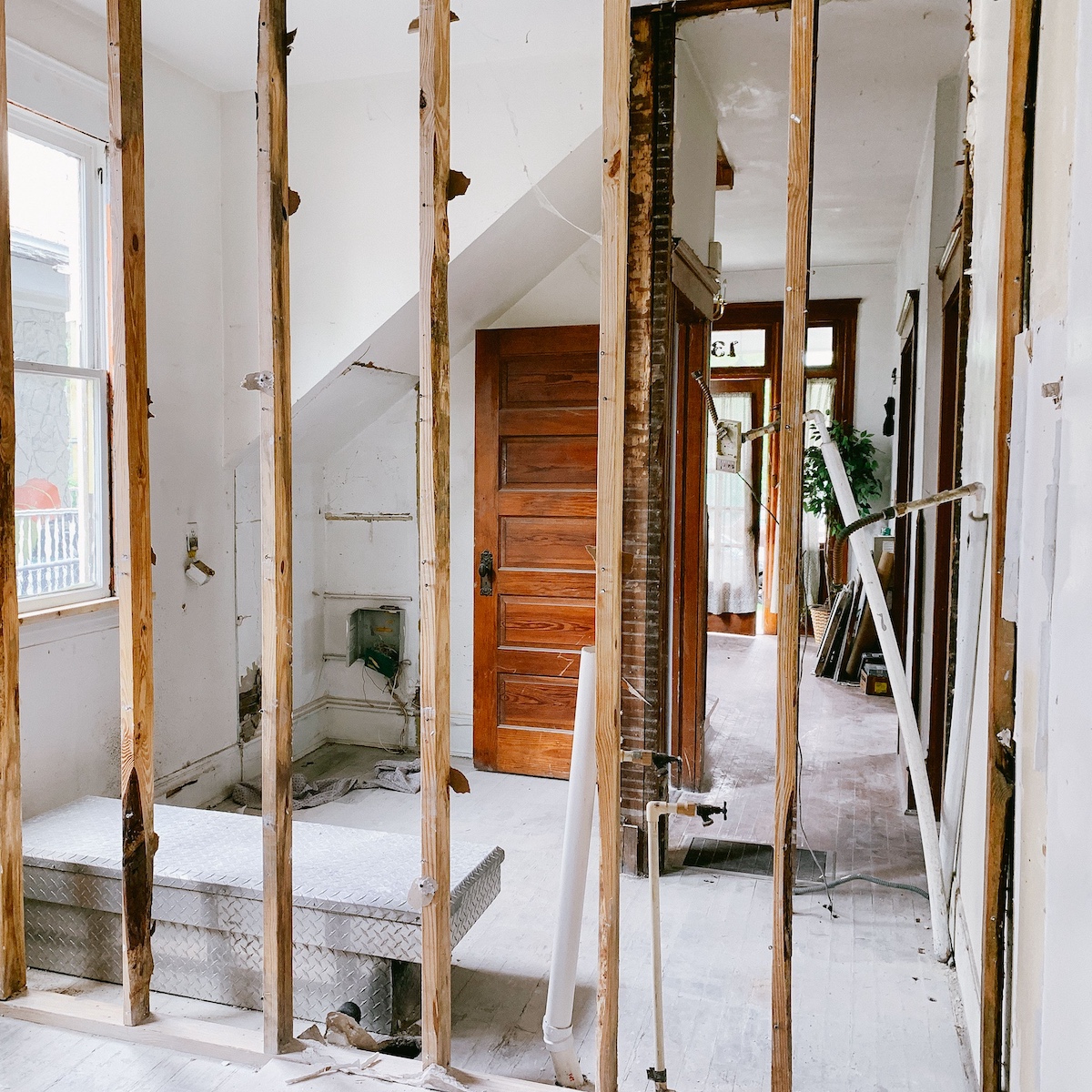
I remember standing in a stripped-down hallway a while back, looking at a surprise pipe leak and feeling that immediate knot in my stomach. It happens to almost everyone at some point.
That is why a detailed, realistic spending plan is your best defense.
Start by getting concrete estimates for materials, labor, and basic permits.
Check average local rates so you know what work actually costs in your neighborhood. Once you tally up that initial figure, add a real cushion.
A solid rule of thumb is to keep 15 to 20 per cent of your overall budget locked away in a backup fund. Do not touch this money for extra perks or stylistic upgrades.
Keep it strictly for true emergencies or hidden structural fixes so a surprise plumbing issue doesn't freeze the whole operation midway through.
Exploring Financing Options Safely
Many families use external funding to cover higher build costs. But you have to make sure the math works for your household long down the road.
Carefully exploring different financing tools helps you avoid taking on unnecessary stress.
Typical routes include basic personal loans, home lines of credit, or specialized renovation mortgages. If you've accumulated solid equity over time, getting a home equity loan online can offer a clear, structured payment schedule with locked-in interest rates and predictable monthly costs.
Before signing off on any contract, map out exactly how that new monthly charge fits into your existing routine.
You want to be completely sure those payments won't squeeze your everyday groceries, emergency savings, or long-range goals.
Prioritizing High-Impact, Family-Friendly Features
Not every shiny upgrade gives you a good return on your daily sanity. Put your dollars into high-use areas that can take a beating and still look great.
Durable Flooring Choices
Floors take an absolute beating in an active house. Real hardwood looks amazing, but it scratches up fast under heavy play, dropped toys, and pet claws.
Options like luxury vinyl plank or high-end laminate offer incredible water resistance, withstand heavy foot traffic without complaint, and wipe clean easily for a fraction of the cost.
Functional Storage Solutions
Visual clutter drives stress levels sky-high for parents. Honestly, sometimes even more than the noise level.
Build in smart storage wherever you can squeeze it. An entryway bench with drop-in cubbies, recessed living room shelving, or deep under-bed drawers can turn a perpetually chaotic floor into a calm, functional space.
Open and Flexible Layouts
Think about how your space needs to shift as time passes. Clear sightlines between the kitchen and main living area let you keep an eye on younger kids while making dinner.
But as those kids turn into teenagers, those same areas need to flex easily from play zones into study spots or hangout corners.
Choosing Safe, Low-Maintenance Materials
Everyday safety and low-effort cleanup should guide your material choices. Picking items that wipe down in seconds and keep harsh chemicals out of the house protects your family and saves you hours of chores.
Stick with low-VOC or zero-VOC paints to protect indoor air quality, especially in bedrooms and small spaces. Look for furniture and countertops with soft, rounded corners to prevent those inevitable toddler bumps and bruises.
When picking out kitchen counters, non-porous surfaces like quartz beat high-maintenance options like marble every single time. Quartz handles spilled juice, stray marker lines, and sauce splatters without staining or needing annual resealing.
Finding and Vetting the Right Contractors
The crew you hire completely shapes your entire experience. They can make the project feel smooth or turn it into an ongoing headache.
So, how do you find people you actually trust in your home? Don't rush this part.
Ask friends, neighbors, and coworkers for real recommendations. When you talk with potential contractors, ask directly about their experience working around active families and how they handle site safety.
A working construction site holds obvious hazards for kids, so your crew needs to keep a tidy space and lock up tools at the end of every afternoon.
Gather a few different quotes, check licenses, verify insurance, and actually call their references. Setting clear expectations on working hours, daily cleanup, and communication upfront buys you incredible peace of mind later.
Managing Daily Life During Construction
Surviving a remodel takes serious patience and constant adjustments. Setting up basic boundaries right from day one keeps everyday life running smoothly.
Build a functional makeshift living spot well clear of the work area. If your kitchen is gutted, set up a temporary counter space somewhere else with a microwave, toaster oven, mini-fridge, and disposable plates.
Living on takeout gets old within a week, trust me, so stock up on quick, low-prep foods early.
Set hard boundaries around active work zones for safety. Heavy plastic barriers and baby gates keep dust contained and keep kids where they belong.
Stick to your usual family schedules for dinners and bedtimes as much as you can to give everyone a sense of normal.
Reviewing Progress and Staying Focused
Keep tabs on the work as things move along by having quick, casual check-ins with your project lead. Catching tiny questions early stops small misunderstandings from becoming expensive delays.
- Parents Are Prioritising Breathable, Sustainable Fabrics For Children's Seasonal Sleepwear
- Our Homemade Christmas Printables, Made With AI: What Worked, What Didn't, and What I'm Saving for Next Year
- At-Home vs. In-Lounge IV Therapy in the Hudson Valley: Which Makes More Sense?
- Can Passengers Pursue Compensation After a Car Accident?




And hold tight to your original scope of work. Last-minute design changes mid-project are the number one killer of budgets.
Remind yourself what you originally set out to do whenever you feel tempted to add on extra "while you're at it" projects.
Building a comfortable, family-friendly space is always a marathon, not a quick sprint. In the end, it isn't about creating a magazine spread; it's about making a functional, comfortable space where your family can actually live, relax, and make memories together.
Stay practical, stick to your numbers, keep lines of communication open, and you'll end up with a home you love living in.





Leave a Reply