

The right haircut is not simply the one that looks best in a reference photo. It is the one that works with your natural texture, complements the way you like to present yourself, and still feels manageable on an ordinary weekday.
For people considering haircuts in Sarasota, Paul Mitchell The School Sarasota offers haircut and styling services for men, women, and children ages five and up.
Its Future Professionals perform services under licensed instructor supervision, making the school’s Sarasota guest-services salon a useful setting for discussing length, texture, styling habits, and realistic maintenance needs.
A successful cut begins with a few honest questions. How does your hair behave when it air-dries? How much time do you actually want to spend styling it?
Do you want a noticeable change, or a shape that feels polished while staying close to your usual look? Answering those questions before a consultation can help you choose a cut that feels like your own rather than a trend you have to fight every morning.
Jump to:
- Start With Your Real Hair, Not Just a Reference Photo
- Use Face Shape as a Guide, Not a Strict Rule
- Match the Cut to Hair Texture and Density
- Choose a Maintenance Level You Can Keep
- Think About Wearable Shape and Daily Styling Time
- Know What to Ask During a Consultation
- Consider Sarasota Weather and Your Everyday Routine
- Common Haircut Mistakes to Avoid
- FAQ'S
- Conclusion
Start With Your Real Hair, Not Just a Reference Photo
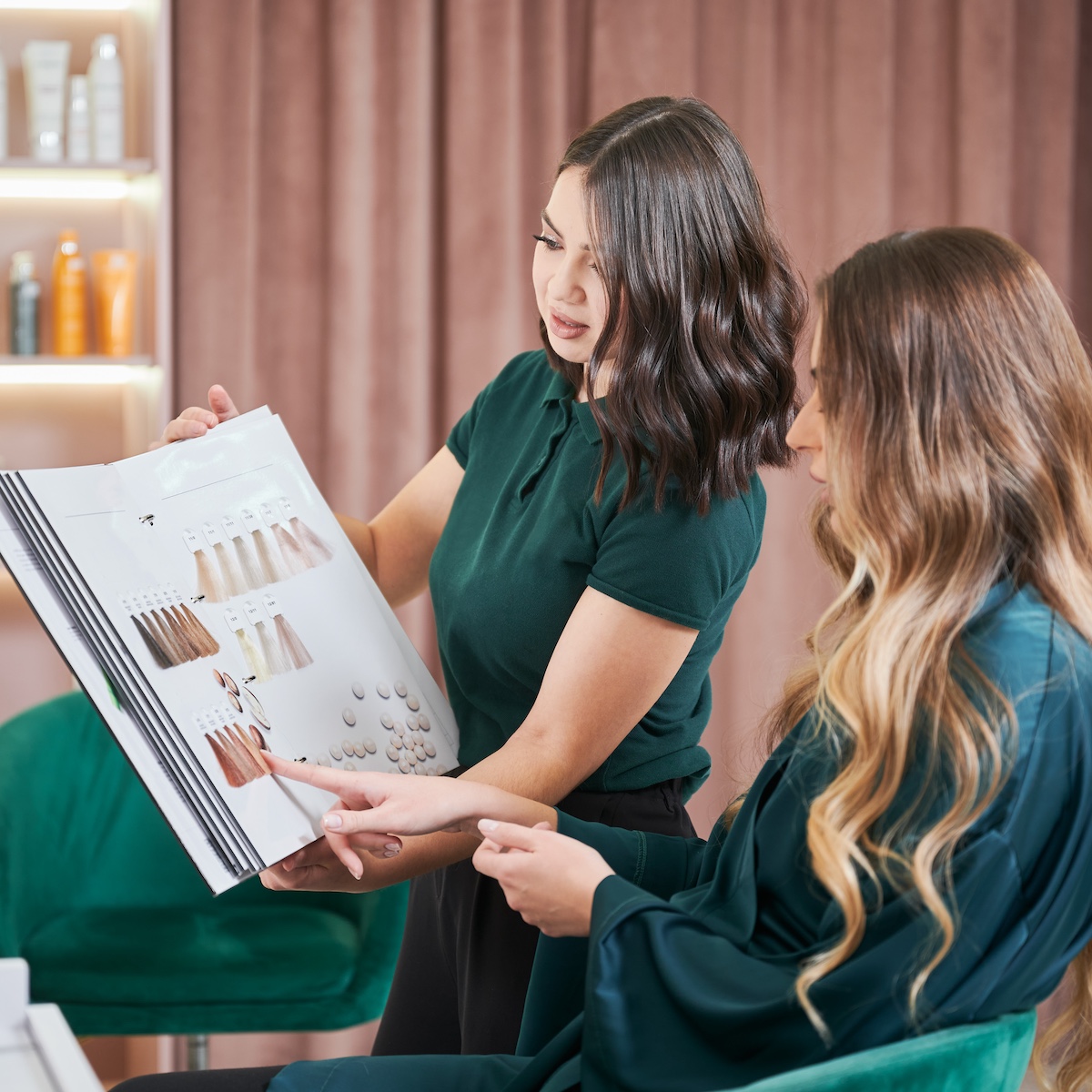
Reference photos are useful, but they should show the direction you want to take, not become an exact promise. The person in a photo may have different density, texture, growth patterns, face proportions, color history, or styling tools. A sleek bob on fine straight hair can create a completely different finish on thick waves or tight curls.
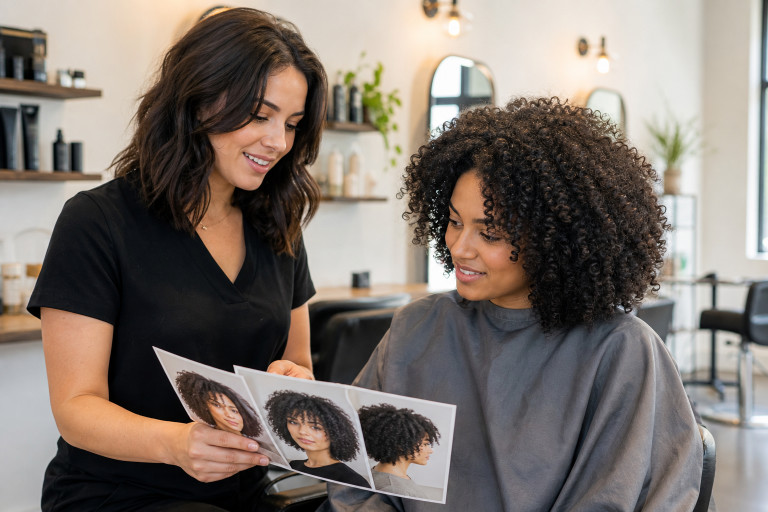
Bring two or three images and explain what appeals to you in each one. You may like the bangs in one photo, the length in another, and the face-framing layers in a third. This gives your stylist or barber more information than saying, “I want this exact cut.” Also mention color services, chemical treatments, heat damage, extensions, or areas that tend to break, since those details can affect how much length or layering is practical.
Use Face Shape as a Guide, Not a Strict Rule
Face shape can help you think about visual balance, but it should never overrule your personal style or comfort. A haircut can add height, create softness, draw attention toward the eyes, or add width around the jaw. These effects are helpful options, not rules that limit what you can wear.
- Oval faces: Often suit many lengths and shapes, including short crops, bobs, shags, and longer layers.
- Round faces: May look balanced with crown height, longer layers, side parts, or movement below the chin.
- Square faces: Can pair well with textured ends, soft waves, curved layers, and fringe that reduces sharp visual lines.
- Heart-shaped faces: May benefit from chin-length fullness, side-swept fringe, or layers that bring attention toward the jaw.
- Oblong faces: Often work well with bangs, side volume, and shapes that avoid adding too much height at the crown.
- Diamond faces: Can be complemented by face-framing pieces that add softness near the forehead and jawline.
The goal is not to “fix” your face shape. It is to select a silhouette that makes you feel balanced, confident, and comfortable.
Match the Cut to Hair Texture and Density
Texture is part of the haircut design. Fine hair often benefits from clean lines and carefully placed layers that preserve fullness. Thick hair may need internal shaping or controlled layering to remove bulk without leaving the ends wispy. Straight hair can showcase blunt cuts especially well, while waves often look best when the shape supports their natural bend.
Curly and coily hair deserve an especially detailed conversation. Shrinkage, curl placement, moisture needs, and the difference between wet and dry length all matter. Ask how the cut will sit after your normal wash routine, not only after a salon finish. A style that respects your natural movement is usually easier to maintain and more satisfying over time.
Choose a Maintenance Level You Can Keep
A haircut should fit your real schedule, not your best possible styling day. Low-maintenance cuts usually grow out softly, work with air-drying, and do not depend on daily heat tools. Medium-maintenance cuts may need a few products, occasional blow-drying, or some effort to define layers. High-maintenance cuts can include sharp bobs, short fringe, close fades, and strongly structured layers that require regular appointments to stay precise.
Before committing, ask how the shape will look after six weeks, eight weeks, and several washes. Bangs can be fun, but they often need frequent trimming. A short cut may feel liberating, but it can require more regular upkeep than long hair. The best choice is one you can realistically maintain during a busy week.
Think About Wearable Shape and Daily Styling Time
In 2026, many people are choosing adaptable shapes with softer layers, flexible fringe, and face-framing details instead of one rigid, identical look. A trend can still be a great source of inspiration, but it should be adjusted for your density, texture, preferred length, and styling routine. A wearable version of a style is usually more valuable than an exact copy.
Consider what happens after the first wash. If you have five minutes in the morning, a cut that requires round-brush styling and curling iron work may become frustrating. If you enjoy using products and tools, layered shapes can give you more movement and styling options. If you prefer to wash, air-dry, and go, a simpler cut that follows your natural texture may serve you better.
Know What to Ask During a Consultation
A good consultation is a conversation, not a quick request for “shorter.” Use specific questions that help you understand the cut before the first section is taken.
- How will this cut look when my hair air-dries?
- What will the grow-out look like?
- How much styling will this require at home?
- Would this shape work with my natural texture?
- Where should the layers begin for my hair density?
- How often should I schedule a trim?
- Which products or techniques will help me recreate the finish?
Consider Sarasota Weather and Your Everyday Routine
Warm, humid weather can influence how a haircut performs, especially for wavy, curly, coily, or frizz-prone hair. Consider whether your style needs to hold up through outdoor activities, workouts, travel, or rainy days. A consultation should include how often you air-dry, whether you wear your hair up, and whether you want a polished blowout or a more natural finish (Healthline).
Use This Haircut Decision Checklist
- Preferred length: short, medium, or long.
- Natural texture: straight, wavy, curly, or coily.
- Hair density: fine, medium, or thick.
- Face-framing preference: soft, bold, or minimal.
- Daily styling time: under five minutes, 10 to 20 minutes, or more.
- Maintenance preference: occasional, regular, or frequent trims.
- Top goal: volume, movement, simplicity, polish, or a major change.
Common Haircut Mistakes to Avoid
Avoid choosing a cut only because it is popular online, overlooking shrinkage, or bringing one photo that does not resemble your hair type. Do not ask for layers without discussing where they should start, and do not underestimate the upkeep of bangs or sharp, structured shapes. Clear communication about your hair history and routine can prevent disappointment.
FAQ'S
Consider face shape, texture, density, lifestyle, and the amount of styling you enjoy. A consultation helps connect those factors into a practical shape.
Face shape is helpful for visual balance, but it is only one consideration. Your texture, routine, and preferences matter just as much.
Usually, it is a cut that follows your natural movement, grows out well, and does not rely on daily heat styling to look intentional.
It depends on the cut. Short, precise styles often need more frequent upkeep, while longer and softer shapes can usually go longer between appointments.
- Parents Are Prioritising Breathable, Sustainable Fabrics For Children's Seasonal Sleepwear
- Our Homemade Christmas Printables, Made With AI: What Worked, What Didn't, and What I'm Saving for Next Year
- At-Home vs. In-Lounge IV Therapy in the Hudson Valley: Which Makes More Sense?
- Can Passengers Pursue Compensation After a Car Accident?




Conclusion
The strongest haircut choice combines your natural hair, face shape, styling time, and maintenance preferences.
Trends can provide inspiration, but your daily routine should make the final decision.
When you communicate clearly and choose a shape that works beyond salon day, your haircut is more likely to look good, feel comfortable, and remain easy to manage for weeks.





Leave a Reply