

Luxury D2C brands sell more than products. They sell taste, confidence, exclusivity, and a sense of belonging. Because customers often discover these brands online, packaging becomes one of the first physical moments where the brand promise becomes real.
For premium brands, ordinary packaging can weaken that experience. Luxury packaging needs thoughtful materials, refined finishes, practical structures, and a visual identity that feels consistent from the website to the customer's doorstep.
The right combination can also encourage customers to share their unboxing experience, keep the package, and remember the brand long after the product is gone.
Jump to:
Choose Packaging Structures That Feel Premium
The physical structure of a package can have as much impact as its graphics. Luxury brands should select a box style that suits the product while creating a deliberate opening experience.
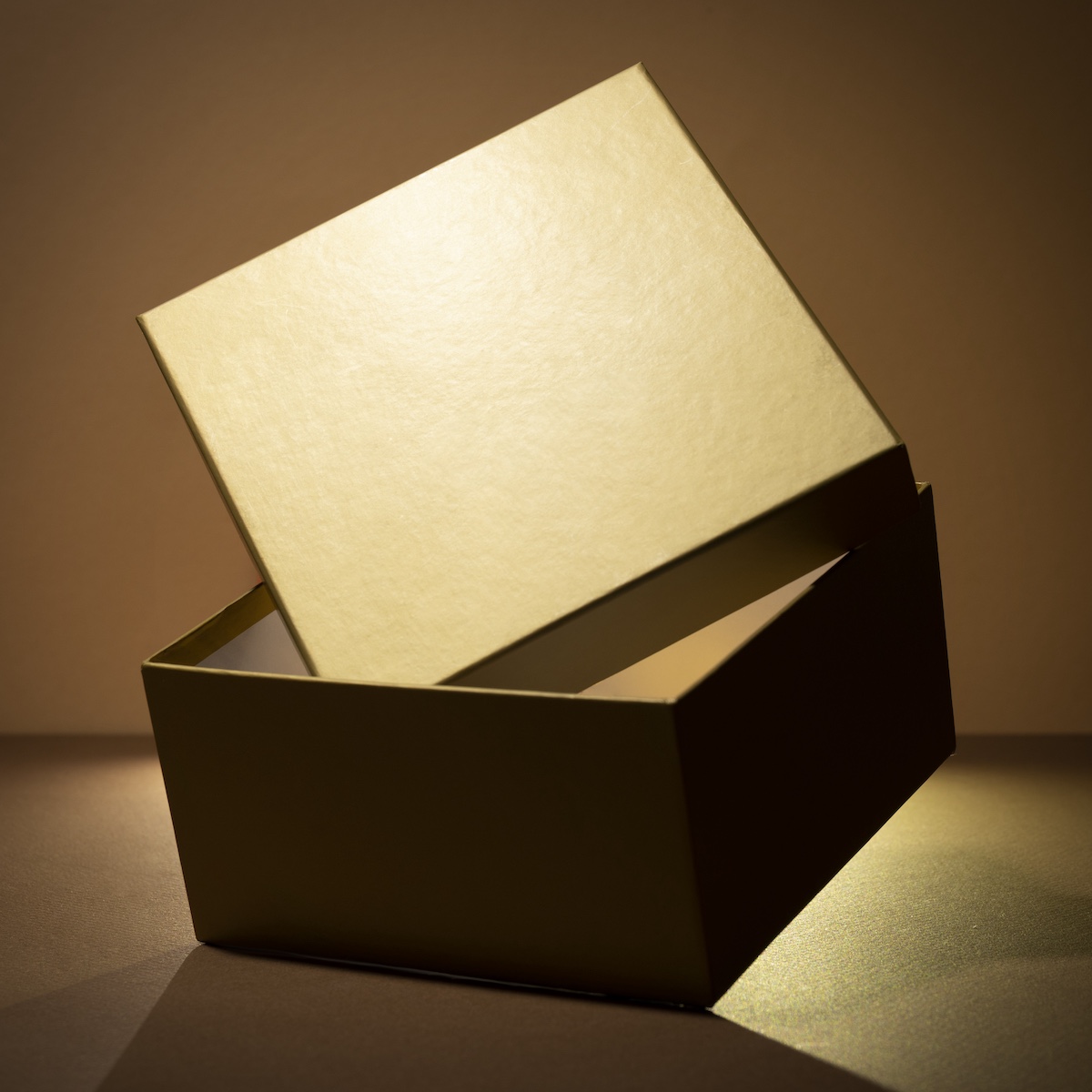
Rigid boxes with lids offer a refined presentation for products that require a strong premium appearance. Their solid construction can create a substantial feel in the customer's hands, while the removable lid gives the opening process a slower and more deliberate character.
Magnetic closure boxes can add another layer of sophistication. The soft movement of the lid and satisfying magnetic closure can make the package feel more like a keepsake than disposable packaging.
This structure works particularly well for fragrances, jewellery, premium cosmetics, fashion accessories, and corporate gifts.
Drawer-style boxes can also create an elegant reveal. Instead of lifting a lid, customers pull the inner tray from the outer sleeve, gradually revealing the product. This simple movement gives brands an opportunity to control how the product appears.
Use Sophisticated Materials and Finishes
Material selection influences how customers perceive quality. Luxury D2C packaging often benefits from thick paperboard, rigid board, textured papers, premium kraft stocks, or carefully finished surfaces.
Soft-touch lamination can create a smooth, almost velvety feel. It works particularly well when a brand wants understated luxury rather than a highly reflective appearance.
Matte finishes can produce a clean and modern look, while selective gloss can draw attention to specific design elements.
Foil stamping offers another way to highlight important details. Gold, silver, copper, and coloured foils can add visual depth to logos, borders, patterns, or product names.
The key is restraint. A small amount of foil can look elegant, while excessive metallic decoration may make the package feel busy.
Create a Memorable Unboxing Experience
The inside of the package deserves the same attention as the outside. Customers often photograph the moment they open a premium order, so brands should consider what they see after removing the lid or opening the carton.
A custom insert can hold the product securely while creating a neat presentation. Depending on the product, brands can use moulded inserts, paperboard dividers, foam alternatives, tissue paper, or fitted compartments.
Layering can also improve the experience. A customer might first see a branded message, followed by tissue wrapping, and then discover the product beneath it. Each layer creates another point of interaction.
Add Personalization Without Overdesigning
Personalization has become an important part of premium D2C marketing. Packaging gives brands a physical space to make customers feel recognised.
A personalized thank-you card, printed name, limited-edition message, or seasonal sleeve can make an order feel more personal.
Brands can also create packaging variations for product collections, special launches, memberships, or exclusive collaborations.
However, personalisation should remain consistent with the brand identity. Too many colours, messages, illustrations, or decorative elements can reduce the sense of exclusivity. Premium design often depends on controlled visual choices.
Brands should also think beyond the customer's name. Personalization can involve the product itself. A fragrance company, for example, might create different packaging artwork for different scent collections. A fashion brand could use a unique insert for a seasonal collection. These details can make the package feel connected to the product rather than simply branded.
Make Sustainability Part of the Luxury Experience
Modern luxury customers increasingly consider how products are packaged. This creates an opportunity for D2C brands to combine premium presentation with responsible material choices.
Recyclable paperboard, FSC-certified papers, water-based coatings, paper inserts, and reusable structures can reduce dependence on unnecessary plastic. Brands can also reduce excess space by designing packaging around the actual dimensions of the product.
Sustainable packaging does not need to look plain. Natural textures, minimalist printing, embossed details, muted colours, and premium recycled papers can create a sophisticated appearance.
Design Packaging for Social Sharing
Social media has changed the role of packaging. A visually interesting box can become part of a customer's content, particularly when the opening process reveals something unexpected.
D2C brands should consider how their packaging looks through a camera. Strong contrast, elegant typography, distinctive structural details, and clean product presentation can make an unboxing scene more attractive.
Inside printing can also create a surprise when customers open the box. A hidden message, pattern, brand statement, or product story can encourage customers to photograph the interior.
Some reputable packaging brands, such as Custom Boxes Lane, demonstrate how packaging companies can support brands with structural and visual customization for different product categories.
Final Thoughts
High-end packaging gives luxury D2C brands a physical way to express what customers first experience online.
- Parents Are Prioritising Breathable, Sustainable Fabrics For Children's Seasonal Sleepwear
- Our Homemade Christmas Printables, Made With AI: What Worked, What Didn't, and What I'm Saving for Next Year
- At-Home vs. In-Lounge IV Therapy in the Hudson Valley: Which Makes More Sense?
- Can Passengers Pursue Compensation After a Car Accident?




The most effective luxury packaging does not depend on decoration alone.
It combines structure, material, functionality, branding, and presentation into one coherent experience.
For D2C brands, that experience can continue after the product reaches the customer.
A distinctive box may remain on a shelf, appear in a social media post, or become part of the customer's next storage solution. In that sense, packaging becomes a lasting part of the brand itself.





Leave a Reply