

In the last ten years, there has been a significant evolution in textile customisation, driven by what customers want in terms of personalisation of their apparel, the adoption of sustainable production practices, and innovative branding.
From new fashion companies to large-scale merchandise brands, there is an increased use of advanced decoration techniques, which, in turn, deliver on durability, aesthetic value, and price point.
In today’s wide array of options, printing technologies are at the fore. There are screen printing, embroidery, heat transfer, and digital direct-to-garment methods, each of which brings something different to the table.
But also standing out for its special texture and look is flock printing. By examining how it works and where it fits into the broader textile picture, businesses and design teams can make better production decisions.
Jump to:
- What Is Flock Printing?
- How the Flock Printing Process Works
- Benefits of Flock Printing in Apparel Production
- Comparing Flock Print to Other Textile Decoration Techniques
- Applications Beyond Apparel
- Sustainability Considerations
- Quality Control and Production Standards
- Future Trends in Textile Decoration
- Conclusion
What Is Flock Printing?
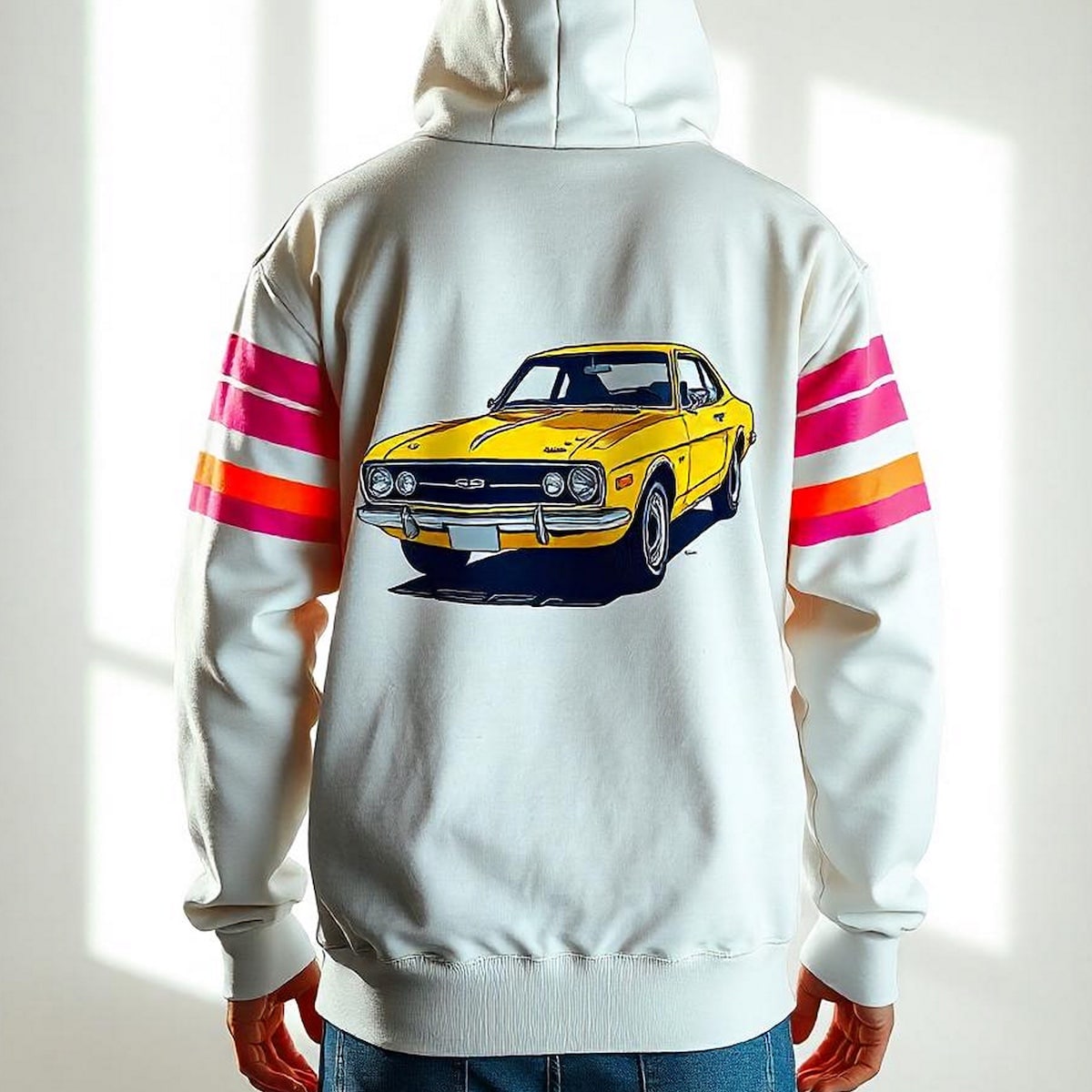
Flocking is a textile printing process that produces a raised, velvet-like texture on fabric. In this method, instead of just using ink, an adhesive is applied in a design, and then short fibers, which are called "flock," are put onto the adhesives that have been applied. The fibers stand up from the surface, creating a very soft and plush finish.
Unlike in flat print techniques, flock print does which out in 3D and texture. It also includes:
- Fashion logos and graphics
- Sportswear lettering and numbering
- Promotional apparel
- Luxury branding elements
- Decorative textile accents
Textured surfaces, which also appeal to the senses, are a great choice for brands looking to stand out in premium products.
How the Flock Printing Process Works
The process is made up of many exact steps, which in turn guarantee durability and consistency.
Design Development
A design is created first on a computer or with traditional stencils. The design, which in turn determines the adhesion.
Application of Adhesives
Using, for example, screen printing or other transfer methods, an adhesive is applied to the designated design areas.
Fiber Use in That Which
In many industrial settings short textile fibers are put onto adhesive-coated surfaces.
Also, it is common to use an electrostatic process, which causes the fibers to stand up tall, thus producing a uniform velvet-like finish.
Cure and Finish
The fabric is put in heat, which cures the adhesive, and as a result, the fibers are permanently bonded to the material.
Extra fibers are also removed, which leaves a clean textured design.
When done properly, flock printing will produce results that are lasting and also carry texture after many washes.
Benefits of Flock Printing in Apparel Production
Enhanced Visual Depth
In the case of flock printing, it’s a very large benefit that comes from the 3D element of it. What is achieved is a raised surface, which in turn gives more pop as compared to flat prints, which in fact greatly improves the quality of a garment.
Soft-Touch Texture
The soft to touch quality which is very premium. In the fashion and branded merchandise sectors this is of great value.
Strong Color Coverage
Flock fibers are usually dyed before hand, which at the same time produces vivid and opaque designs even on dark fabrics. This also makes it a great choice for bold logos and lettering.
Durability
With the right curing process and high quality materials flock prints do better at resisting crack and peel than many other decorative options.
For businesses that are looking for reliable production partners or in depth technical information on advanced textile methods Label River is presented as a resource which provides valuable industry knowledge and manufacturing expertise.
Comparing Flock Print to Other Textile Decoration Techniques
Choosing out of what works best depends on the intent of the design, the complexity being aimed for and also the budget. Here is how flock print measures up to the other common options:
Screen Printing
- Best for high-volume orders
- Produces flat designs
- Cost-effective for simple graphics
Embroidery
- Offers a stitched, premium look
- Highly durable
- More expensive for large, detailed designs
Direct-to-Garment (DTG) Printing
- Ideal for detailed, multicolor images
- Works well for small batch production
- Typically flat in finish
Flock Printing
- Creates textured, raised effects
- Ideal for logos and bold graphics
- Offers a distinctive tactile quality
- For each separate function there is a method. For brands which aim to present a durable product with a distinctive look flock printing is a great solution.
Applications Beyond Apparel
Although flock printing is often thought of in the context of clothing, it also has use in many other applications outside of apparel.
Promotional Products
Flock finishes are popular for tote bags, caps, and event wear, which stand out.
Interior Textiles
Decorative pillows, furniture coverings, and wall treatments, at times, feature flock texture for a luxurious look.
Sports and Teamwear
Team jerseys are reported to have flocking on letters and numbers, which is for the durability and bold look.
By studying which markets these apply to, businesses can expand their creative scope while preserving brand identity.
Sustainability Considerations
As the textile industry moves to more responsible production methods, sustainability is a key issue.
It is evident that modern flock-printing methods do have a role in sustainability, but only if used thoughtfully.
- Use of eco-friendly adhesives
- Responsible sourcing of fibers
- Energy-efficient cure processes
- Durable designs that extend garment lifespan
Long-term-oriented print quality, which in turn reduces the waste of textiles. Manufacturers that adopt responsible production methods may see their products align with the eco-conscious consumer.
Quality Control and Production Standards
For quality results, all of the following elements must be paid attention to:
- Proper adhesive viscosity
- Accurate electrostatic fiber alignment
- Controlled curing temperatures
- Wash testing for durability
Experienced textile workers report that it is best to do continuous testing and monitoring throughout the process.
Also, it is seen that reliable industry partners play a key role in upholding performance standards and reducing production defects.
Future Trends in Textile Decoration
The future of textile customization is a result of innovation and what consumers want. In terms of what is being seen play out, print techniques are at the forefront of that.
- Hybrid designs that include digital and textured elements
- Small-batch, on-demand production models
- Increased automation in fiber application
- Sustainable material innovation
As brands in very saturated markets struggle for position, it is seen that that which comes out on top is quality and texture.
Flock printing is relevant today as it combines the best of past craft techniques with present-day production scale.
Conclusion
Textile design has expanded beyond dyeing fabric to include creating experiences through design, texture, and durability.
Flock printing focuses on visual and physical appeal while also serving as a material for modern apparel and product personalisation.

- Parents Are Prioritising Breathable, Sustainable Fabrics For Children's Seasonal Sleepwear
- Our Homemade Christmas Printables, Made With AI: What Worked, What Didn't, and What I'm Saving for Next Year
- At-Home vs. In-Lounge IV Therapy in the Hudson Valley: Which Makes More Sense?
- Can Passengers Pursue Compensation After a Car Accident?




By looking at the technical aspects, evaluating present methods, and setting quality standards that are to be followed, it is seen that companies are able to make well-founded decisions, which in turn align with brand identity and forward-thinking goals.
In fashion, sportswear, or promotional products alike, flock print’s versatility and lasting value in the textile industry are proven.





Leave a Reply