

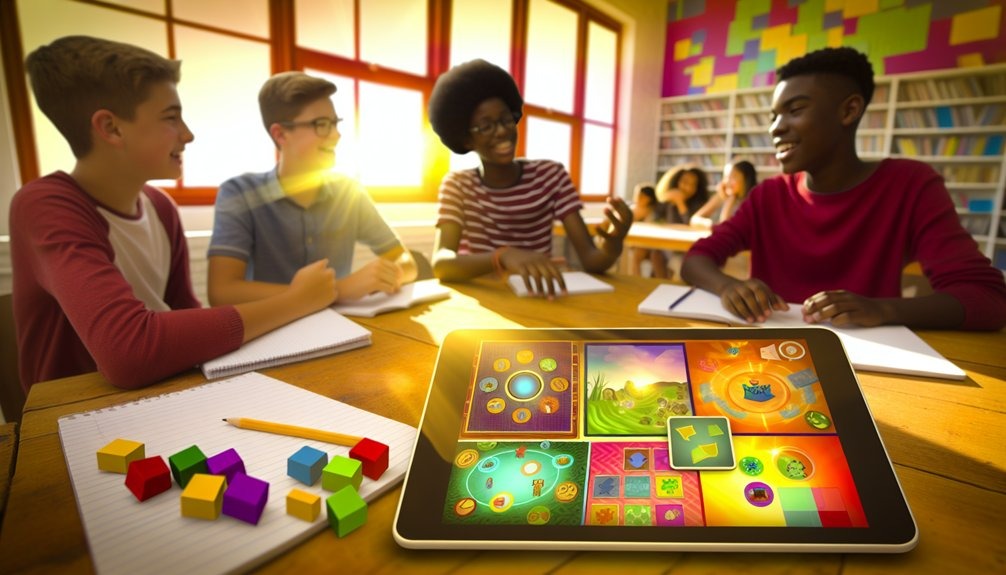
To design 90-second classroom minigames, break down content into bite-sized challenges that boost engagement and retention. Focus on robust game mechanics, like scoring and immediate feedback, to create excitement and encourage collaboration. Tailor these minigames to various learning styles and align them with clear objectives for meaningful skill development. By fostering a dynamic atmosphere, you'll cultivate creativity and exploration. Discover how effective these strategies can be for enhancing student learning and involvement.
How Micro-Learning Addresses Engagement Issues in Classrooms
As classrooms evolve, it’s clear that traditional teaching methods often fail to capture students' attention, leading to disengagement. Micro-learning emerges as a revolutionary approach, transforming classroom dynamics.
By breaking content into bite-sized pieces, you can easily integrate engagement strategies that resonate with today’s learners. Instead of lengthy lectures, think of 90-second minigames that ignite curiosity and foster interaction. This method not only enhances retention but also empowers students to take control of their learning journey.
With micro-learning, you’re not just delivering information; you’re creating an energetic environment where students actively participate. This shift allows for tailored experiences that cater to diverse learning styles, ultimately cultivating a classroom atmosphere that thrives on engagement and creativity.
Embrace this change for a more liberated learning experience.
Why 90-Second Minigames Enhance Micro-Learning Engagement
In just 90 seconds, minigames can transform your approach to learning by making content both digestible and engaging.
You’ll find that this rapid format not only boosts your motivation but also accelerates your ability to grasp new concepts.
Rapid Content Assimilation
A growing body of research shows that 90-second minigames can greatly boost engagement in micro-learning environments.
These brief, focused activities allow you to assimilate rapid content while minimizing cognitive load. When information is distilled into bite-sized segments, your brain can process and retain knowledge more effectively.
This format encourages instant feedback, helping you identify gaps in understanding without feeling overwhelmed. The fast pace keeps your attention sharp, promoting an environment where learning feels like a dynamic challenge rather than a chore.
By leveraging the principles of cognitive science, these minigames offer you the freedom to explore concepts in an interactive way, enhancing retention and making learning a more enjoyable experience.
Immerse yourself in this innovative approach and watch your engagement soar!
Increased Motivation Levels
How do 90-second minigames ignite your motivation in micro-learning? These brief bursts of engagement create an environment ripe for increased participation.
You’re not just passively absorbing information; you’re actively involved in a dynamic experience. The competitive edge of gamified rewards fuels your drive to learn, turning education into an exhilarating challenge.
With every correct answer, you gain points or badges, reinforcing your sense of achievement. This instant gratification keeps you coming back for more, as you chase the next reward.
The time constraint makes learning feel manageable, while the playful format transforms mundane content into an interactive adventure.
Ultimately, 90-second minigames empower you to take control of your learning journey, enhancing both your motivation and retention.
Essential Features of Engaging Classroom Minigames
What makes a classroom minigame truly engaging? First, robust game mechanics draw in students, creating a sense of challenge and accomplishment. Incorporating elements like scoring, levels, and time limits fuels excitement and fosters competition, pushing students to excel.
Additionally, real-time student feedback is essential; it empowers learners to understand their performance and adjust strategies on the fly. This immediate response keeps them invested and encourages a growth mindset.
Moreover, creating a narrative or theme can immerse students in the experience, making learning feel relevant and fun. When you blend these features, you cultivate an environment where students feel free to explore, take risks, and fully engage with the content.
Ultimately, empowering them transforms learning into an adventure.
Aligning Minigames With Learning Goals
When you align minigames with clear learning objectives, you create a focused educational experience that drives engagement.
By targeting specific skill development, you guarantee that every game contributes meaningfully to the learners' progress.
Additionally, using assessment alignment strategies allows you to measure success and refine your approach, making each gaming experience a step towards achieving your learning goals.
Clear Learning Objectives
Establishing clear learning objectives is essential for effectively aligning minigames with your educational goals. When you define what you want your students to achieve, you guarantee that each game drives toward those specific learning outcomes.
Objective clarity not only enhances focus but also fosters a sense of purpose among learners. By framing your minigames around these objectives, you create engaging experiences that resonate with students, allowing them to grasp concepts quickly and enjoyably.
This approach empowers you to design activities that challenge and motivate, guaranteeing that every second spent in the classroom is impactful. Embrace the freedom that clear objectives provide, and watch your minigames transform into powerful tools for learning.
Targeted Skill Development
Clear learning objectives set the stage for targeted skill development, enabling you to align minigames precisely with your educational goals.
By focusing on specific outcomes, you can create engaging activities that facilitate skill acquisition through targeted practice. These minigames should be designed to challenge students while allowing them to explore concepts freely.
For instance, if you aim to enhance problem-solving skills, craft a minigame that presents real-world scenarios requiring critical thinking. This approach not only keeps students motivated but also guarantees they’re honing the exact skills you want them to master.
Assessment Alignment Strategies
To effectively align your minigames with learning goals, consider leveraging a variety of assessment strategies that provide immediate feedback and measurable outcomes.
Start by establishing clear assessment criteria that directly link to your learning objectives. This clarity enables you to design minigames that challenge students while guiding them toward mastery.
Incorporate feedback loops within your games, ensuring students receive instant insights on their performance. This not only enhances engagement but also encourages self-reflection and autonomy.
As students navigate through the minigames, they’ll understand where they excel and where they need improvement.
By aligning assessment strategies with your learning goals, you create a dynamic environment that promotes growth and fosters a love for learning.
Embrace this freedom to innovate!
Tips for Implementing Minigames in Diverse Classrooms
While you may encounter challenges when integrating minigames into diverse classrooms, understanding your students' unique backgrounds and learning styles can greatly enhance their effectiveness.
Embrace student diversity by tailoring game content to reflect various cultures and experiences, making learning relatable and engaging. Consider using game adaptability to modify rules or objectives, ensuring that every student feels included and challenged.
Foster collaboration by grouping students with varying abilities, allowing them to learn from each other. Utilize feedback loops to gauge engagement and adjust games as necessary, promoting a dynamic learning environment similar to what an online elementary school uses to personalize and improve student learning experiences.
Finally, encourage creativity by letting students suggest game ideas, empowering them and fostering ownership of their learning journey.
With these strategies, minigames can flourish in any classroom setting.
How Do Minigames Impact Student Learning?
How do minigames transform the learning experience for students? They engage you in ways traditional methods often fail. By breaking down content into bite-sized challenges, minigames notably reduce cognitive load, allowing you to grasp concepts without feeling overwhelmed.
This format encourages active participation, which is essential for student retention. When you’re having fun, you’re more likely to remember what you've learned.
In addition, minigames foster a sense of autonomy, inviting you to explore and apply knowledge creatively. They also promote collaboration, as you can engage with peers in a dynamic environment.
Ultimately, these short bursts of learning not only enhance retention but also empower you to take control of your educational journey, making the experience both enjoyable and effective.
Conclusion
Incorporating 90-second minigames into your classroom isn’t just a trend; it’s a transformative approach to learning. While traditional methods often lead to disengagement, these quick, interactive bursts spark enthusiasm and retention. You’ll see students shift from passive recipients to active participants, bridging the gap between fun and education. By aligning these minigames with your learning goals, you create a dynamic environment where engagement thrives and knowledge deepens—turning fleeting moments into meaningful connections.





Leave a Reply