

You probably don’t think much about your feet until they start hurting, cracking, or making simple things like walking feel annoying.
In a place like Ann Arbor, MI, where people spend plenty of time walking campus paths, standing at work, or staying active through every season, foot health tends to get tested more than expected.
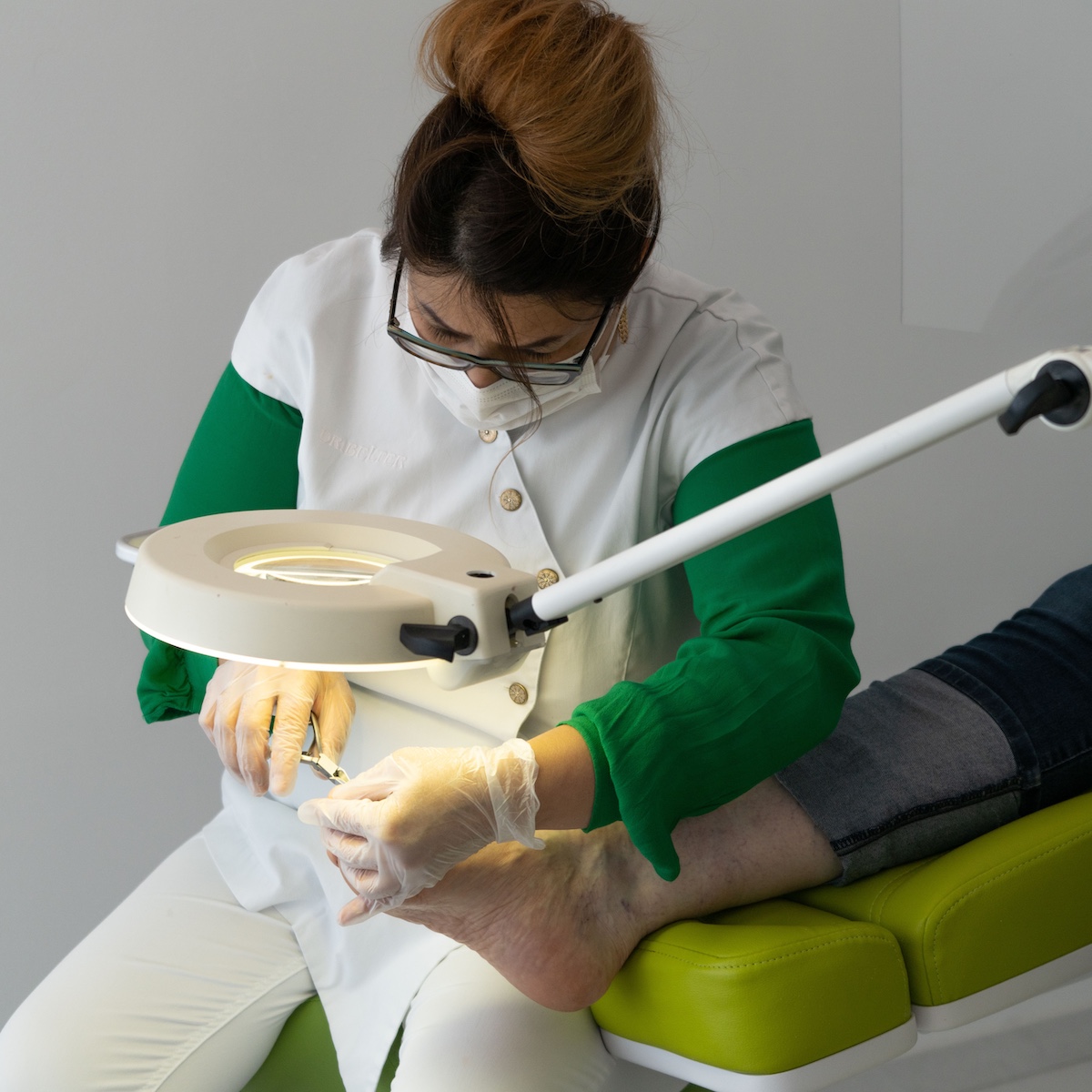
A medical pedicure sits between beauty care and clinical foot treatment, offering a cleaner, safer, and more practical way to address common foot problems.
Jump to:
- A Medical Pedicure Is Not The Same As A Salon Pedicure
- The Biggest Benefit Is Controlled, Hygienic Foot Care
- It Can Help With Common Problems People Tend To Ignore Too Long
- Some People Need This Care More Than Others
- What Usually Happens During The Appointment
- It Also Changes How Your Shoes Feel Day To Day
- Good Foot Care At Home Still Matters Between Visits
- The Real Value Is Prevention, Not Just Appearance
A Medical Pedicure Is Not The Same As A Salon Pedicure
A standard salon pedicure is mostly cosmetic. You soak your feet, get your nails shaped, maybe pick a polish color, and leave feeling refreshed. A medical pedicure focuses on foot health first. That changes the tools, the environment, and the goals.
Instead of masking issues, it targets things like thickened nails, calluses, cracked heels, and rough skin with a hygiene-focused process. You’re dealing with a treatment that usually avoids the whirlpool setup common in salons, since standing water can create sanitation concerns.
If you’ve been looking up medical pedicure Ann Arbor, MI, the appeal often comes down to precision and safety. You’re not just getting nicer-looking feet. You’re getting care designed around prevention, comfort, and lower infection risk.
The Biggest Benefit Is Controlled, Hygienic Foot Care
Feet go through a lot, and they collect more stress than most people notice. Sweat, pressure, friction, repetitive motion, and tight shoes create the perfect setup for skin breakdown and nail problems. Once those issues pile up, home care tends to fall short.
A medical pedicure gives you a more controlled setting for debridement, nail trimming, and cuticle management.
That matters if your nails are hard to cut properly or your calluses keep returning in the same spots. It also matters if you’ve ever left a salon with soreness or a cut that took days to calm down.
You’re getting a process built around sterile instruments and careful technique. In practical terms, that can mean fewer accidental nicks, less irritation, and better maintenance if you’re trying to stay ahead of recurring foot trouble rather than reacting after it gets worse.
It Can Help With Common Problems People Tend To Ignore Too Long
A lot of foot issues don’t look urgent at first. Dry heels seem minor. A thick nail feels like a cosmetic annoyance. A small callus doesn’t sound serious. Then one day your shoe rubs in the wrong place, a crack deepens, or pressure builds enough to change how you walk.
Medical pedicures are useful because they address these low-grade problems before they spiral. Thick nails can become painful inside sneakers or boots. Calluses can shift pressure across your gait. Cracked heels can sting, snag, and sometimes split badly enough to affect daily movement.
You also see value if you spend long hours on your feet. Teachers, nurses, warehouse staff, restaurant workers, and students crossing large campuses all deal with repetitive loading. You may not need major treatment, but you may need smarter upkeep that reduces friction points and improves how your feet function week to week.
Some People Need This Care More Than Others
Not everyone has the same margin for error with foot care. If you have diabetes, neuropathy, circulation issues, autoimmune conditions, or a history of skin infections, even a tiny cut can become a bigger problem than you’d expect. For you, casual pedicure settings may carry extra risk.
The same applies if you’re older and your nails have become thicker or harder to manage. Flexibility changes with age, vision may not be as sharp, and reaching your feet safely is not always easy. Trying to dig out an ingrown edge with home clippers is where many avoidable issues begin.
Athletes also fall into a higher-need category. Runners, dancers, hikers, and gym regulars put repeated force through the forefoot and heel. That creates hotspots for callus buildup, nail trauma, and skin stress. Better maintenance can support performance and make recovery less uncomfortable.
What Usually Happens During The Appointment
The process is more methodical than a beauty pedicure. You’ll usually start with an assessment of the skin, nails, pressure areas, and any active concerns. The provider may note signs of fungal changes, corns, fissures, or nail deformity before doing any treatment.
From there, the appointment often includes trimming and thinning thick nails, reducing calluses, smoothing dry skin, and cleaning up the nail area with sterilized instruments. Depending on the provider, there may be recommendations for moisturizer, footwear changes, or follow-up care.
One detail people appreciate is the absence of rushed upselling. The goal is not decorative extras. The goal is to leave with feet that feel lighter, cleaner, and easier to manage. If an issue looks beyond routine maintenance, you can be directed toward more specific podiatric treatment instead of guessing on your own.
It Also Changes How Your Shoes Feel Day To Day
One of the most underrated effects of proper foot care is how much it changes your relationship with shoes. When calluses build up along the ball of the foot or the side of the big toe, even well-fitted shoes can start feeling off. You may assume the shoe is the problem when pressure buildup is the real issue.
After a medical pedicure, many people notice that their shoes feel roomier and walking feels smoother. That’s not cosmetic. It’s biomechanics. Less thickened skin can reduce friction, alter pressure distribution, and make your stride feel more natural.
This becomes especially noticeable in cold-weather places where boots dominate part of the year. In Ann Arbor, that seasonal shift matters. Dry indoor heat, thicker socks, and enclosed footwear can intensify cracked heels and nail pressure, so routine foot maintenance tends to pay off faster than people expect.
Good Foot Care At Home Still Matters Between Visits
A medical pedicure is useful, but it’s not magic if the rest of your routine works against it. You still need basic maintenance. Moisturize consistently, especially after showering. Don’t attack calluses with aggressive blades or random internet gadgets. Trim nails straight across unless a clinician tells you otherwise.
Take your shoes seriously too. If a pair always rubs the same spot, no treatment will fix that pattern for long. Check the toe box, insole wear, and overall fit. Rotate shoes when possible, and don’t stay in damp socks longer than necessary.
Pay attention to warning signs. If you notice redness, drainage, increasing pain, odor, or skin changes that don’t improve, get them checked. Waiting for a minor foot issue to “sort itself out” is how many people end up needing more intervention than they would have with earlier care.
The Real Value Is Prevention, Not Just Appearance
It’s easy to dismiss specialized foot care as a luxury until you’ve dealt with pain that changes how you stand, walk, or exercise. A medical pedicure earns its value in a less flashy way. It helps you maintain skin integrity, manage nail health, reduce pressure points, and catch problems early.
- Parents Are Prioritising Breathable, Sustainable Fabrics For Children's Seasonal Sleepwear
- Our Homemade Christmas Printables, Made With AI: What Worked, What Didn't, and What I'm Saving for Next Year
- At-Home vs. In-Lounge IV Therapy in the Hudson Valley: Which Makes More Sense?
- Can Passengers Pursue Compensation After a Car Accident?




You’re also getting something many people overlook: peace of mind. Instead of wondering whether your heel crack is getting too deep or whether that nail edge will turn into an ingrown problem, you have a more reliable system for upkeep.
If you want your feet to look better, that usually happens too. Still, the stronger reason to care is function. When your feet are healthier, everyday movement feels easier, shoes fit better, and small problems are less likely to turn into painful, expensive ones later.





Leave a Reply