

It is easy to look around your living room and suddenly feel like everything needs changing. Perhaps the furniture feels a little plain, the walls seem empty, or the room simply does not have the personality you imagined when you first decorated it.
The good news is that creating a more personal living space doesn't require replacing your sofa, repainting every wall, or starting from scratch.
A few thoughtful changes can completely change how a room feels while letting you keep the pieces you already love.
Jump to:
Start With What You Already Have
Before buying anything new, take a proper look at your room.
Sometimes the problem is not what you own but where everything has been placed. Moving a chair closer to a window, changing the position of a side table or creating more space around the sofa can make the room feel surprisingly different.
Try removing a few decorative items temporarily too. When a room becomes crowded, even meaningful objects can disappear into the background.
Giving your favourite pieces more breathing room helps them stand out.
Give Your Walls More Personality
Walls take up a huge amount of visual space, yet they are often one of the last areas we think about when decorating.
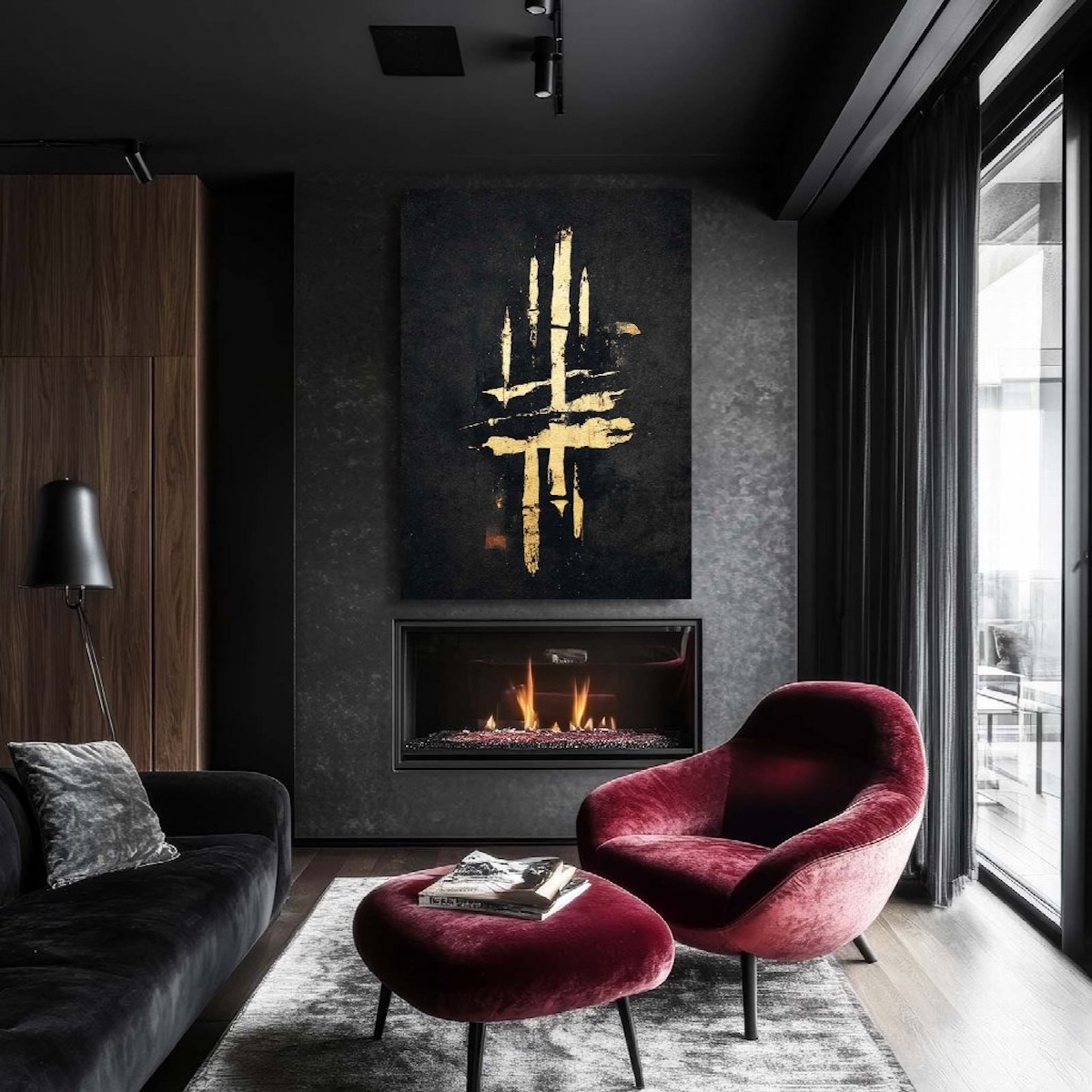
Artwork can introduce colour, character and a focal point without requiring any major changes elsewhere in the room.
The key is choosing something that feels connected to you rather than simply selecting artwork because it matches the cushions.
Think about places you love, colours that make you feel comfortable, hobbies, nature, abstract designs or subjects that bring back positive memories.
If you are looking for inspiration across a variety of styles, MusaArtGallery offers a broad selection of canvas wall art designed for different types of interiors.
Your walls do not need to resemble an interior design catalogue. They should tell a little of your own story.
Think About Scale Before Style
One of the most common decorating mistakes is choosing something you love but buying it too small for the space.
A tiny picture placed in the middle of a large wall can feel lost, particularly above substantial furniture such as a sofa.
Before choosing artwork, measure both the wall and the furniture underneath it.
You might find that one larger piece creates a calmer, more intentional look than several smaller decorations.
For a main family space, browsing a dedicated living room art collection can also make it easier to compare different formats, subjects and visual styles that could work above sofas, sideboards and other large pieces of furniture.
Bring Your Own Story Into the Room
Personal interiors are rarely created entirely from new purchases.
Family photographs, travel souvenirs, children's drawings, inherited objects and items collected over time are often what make a house feel like home.
The trick is displaying them intentionally. Rather than spreading small objects across every available surface, try grouping a few related pieces together.
A small collection of travel photographs can become a feature. A ceramic piece inherited from a relative may deserve its own space instead of being hidden among unrelated decorations.
When objects have room around them, their stories become easier to notice.
Repeat Colours Instead of Matching Everything
A comfortable room does not need every colour to match perfectly.
In fact, overly coordinated spaces can sometimes feel less personal because everything appears to have been bought at the same time.
A more relaxed approach is to repeat a few colours throughout the room.
If an artwork contains a soft green, for example, that shade might appear again in a cushion, plant pot or throw. A warm orange could be repeated through a lamp or small decorative object.
These subtle connections help the room feel pulled together without making it look overly planned.
Pay Attention to Lighting
Lighting changes how every other decorating decision looks.
A room that feels cold during the evening may simply need softer sources of light.
Instead of relying entirely on one bright ceiling light, introduce lamps at different heights. A floor lamp beside a reading chair and a smaller table lamp can create several areas of warmth within the same room.
Natural light matters too.
Try observing how sunlight moves through your living room during the day before deciding where artwork, plants or seating should go.
Leave Some Empty Space
Not every corner needs filling.
Empty wall space and clear surfaces give the eye somewhere to rest and allow the things you genuinely love to receive more attention.
This can be particularly helpful in busy family homes, where everyday life naturally brings toys, books, bags and other objects into shared spaces.
Instead of asking, “What else can I add?” occasionally ask, “Does this room already have enough?”
Create a Room That Feels Like You
The most inviting living rooms are not necessarily the most expensive or perfectly styled.
- Parents Are Prioritising Breathable, Sustainable Fabrics For Children's Seasonal Sleepwear
- Our Homemade Christmas Printables, Made With AI: What Worked, What Didn't, and What I'm Saving for Next Year
- At-Home vs. In-Lounge IV Therapy in the Hudson Valley: Which Makes More Sense?
- Can Passengers Pursue Compensation After a Car Accident?




They are the rooms where the people who live there are visible in the choices that have been made.
Keep the furniture you enjoy. Display objects that mean something. Choose artwork because you want to see it every day, not simply because it is fashionable.
Small, thoughtful changes can often give a room far more personality than a complete makeover.
After all, your living room is not a showroom. It is where everyday life happens, and the best version of it should feel unmistakably yours.





Leave a Reply