

The Best Tips for Maintaining Safety During Home Renovations focus on creating a secure environment for you, your family, and workers while projects are underway.
Home renovations often involve heavy materials, sharp tools, and electrical hazards, so planning safety from the start is critical.
Always begin by clearing the work area of clutter, securing pets and children away from construction zones, and wearing protective gear like gloves, goggles, and masks.
If electrical or plumbing work is involved, turn off the appropriate power or water supply before beginning to avoid accidents.
Proper ventilation is important when working with paints, adhesives, or dust-producing tools, so open windows or use fans to maintain air flow.
Keep a fire extinguisher nearby, especially if power tools or flammable materials are being used.
Label hazardous areas clearly, use sturdy ladders on stable surfaces, and never rush tasks that require precision.
Finally, make sure contractors or helpers follow safety protocols, communicate openly about potential risks, and keep a first aid kit accessible at all times.
By prioritizing these measures, you can reduce accidents, protect your household, and ensure the renovation process runs smoothly and safely.

Jump to:
Hiring Contractors Carefully
One of the most critical aspects of a safe renovation is hiring the right contractors for the job.
Many homeowners assume that any licensed professional can handle the work, but selecting a contractor requires thorough research and verification.
f you are upgrading your roof, you might encounter options like Cedar shake roofing, which demands specialized knowledge and experience.
Contractors experienced with this material understand the proper installation techniques and can identify potential hazards before they become serious issues.
Checking references, reviewing previous projects, and confirming insurance coverage will help protect you from financial and physical risks.
Discussing timelines, work plans, and emergency procedures with contractors in advance can prevent confusion and accidents during the renovation process.
Protecting Yourself from Electrical Hazards
Electrical work can pose severe dangers if not managed correctly. Before starting any project involving wiring, outlets, or appliances, switch off the power at the main breaker.
Using tools rated for electrical work and wearing insulated gloves can help prevent shocks.
When hiring electricians, verify credentials and experience with the specific type of wiring in your home.
Avoid overloading circuits during renovations, and be cautious around extension cords, temporary lighting, and exposed wires.
Even minor mistakes in electrical setups can cause serious injuries or fires, making vigilance and preparation necessary for maintaining safety.
Managing Heavy Materials
Construction materials like lumber, drywall, tiles, and roofing shingles are often heavy and awkward to move.
Lifting incorrectly can cause back injuries or muscle strains.
Before transporting large items, plan your path to avoid tripping hazards, and use dollies or lifting equipment when possible.
When working with roofing or exterior elements, including heavy roofing materials, ensure scaffolding and ladders are stable.
Team lifting strategies reduce the risk of injury, and wearing supportive footwear and gloves protects hands and feet from accidental impacts.
Taking time to handle materials safely prevents unnecessary hospital visits and keeps the project moving efficiently.
🤖 Looking For An Answer?
Ask AI to summarise this post to see if the article answers your questions:
Preventing Falls from Heights
Falls represent one of the leading causes of injuries during home renovations and can result in serious fractures, head trauma, or long-term disability.
Whether you are working on a ladder, scaffolding, or an unfinished roof, maintaining balance and using proper positioning is crucial.
Choose ladders that are the correct height for the task, and always place them on stable, level surfaces to prevent tipping.
Safety harnesses should be worn whenever working on roofs, balconies, or other elevated areas, and anchoring them to secure points adds an extra layer of protection.
Keep the surrounding areas free from tools, debris, or loose materials that could cause trips or slips.
Weather conditions like rain, ice, or high winds can make elevated work far more dangerous, so it is wise to postpone tasks until conditions improve.
Additionally, communicate clearly with anyone assisting you, so sudden movements or distractions do not cause loss of balance.
Small precautions, such as using guardrails or anti-slip footwear, can make a significant difference in preventing accidents and maintaining safety while working at heights.
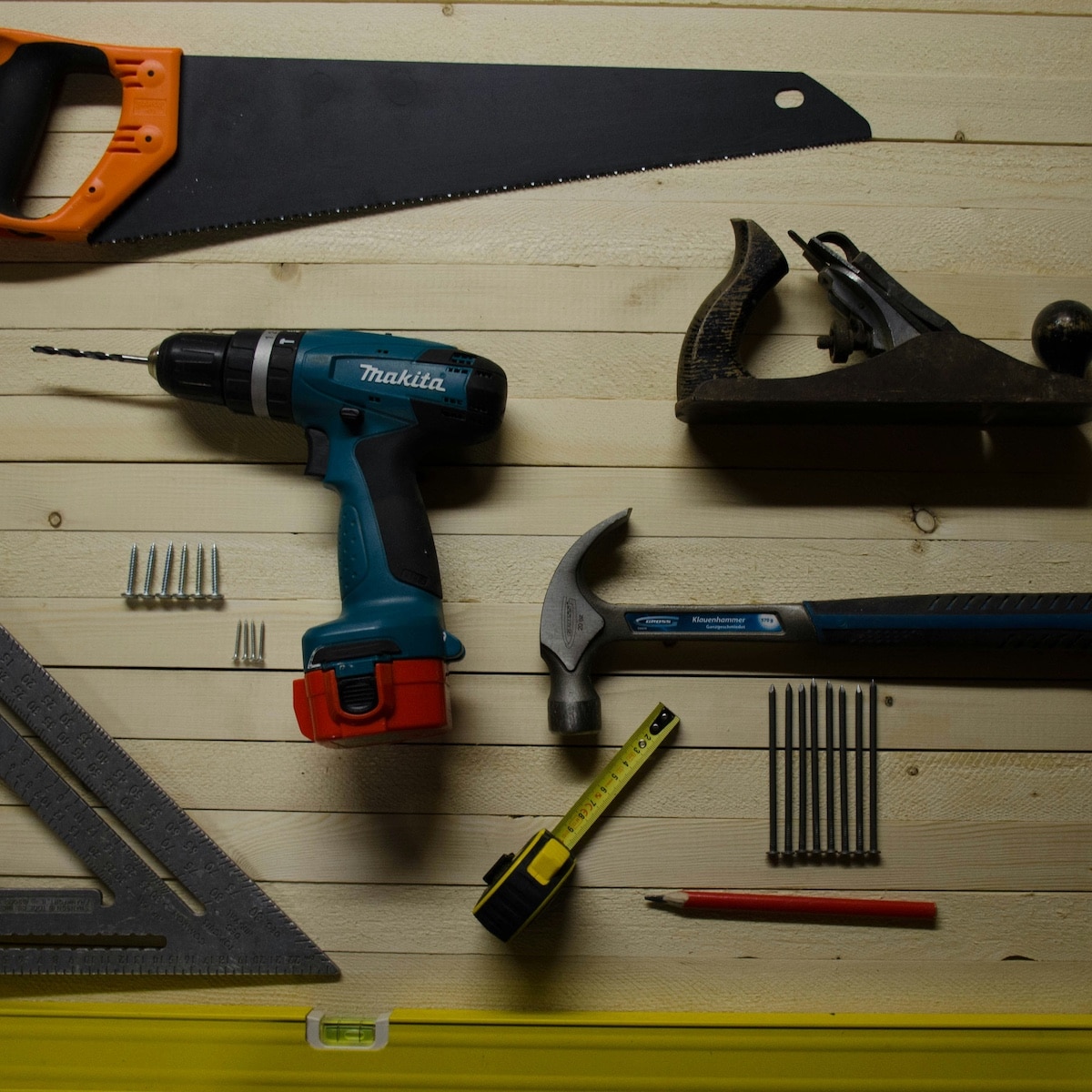
Handling Tools Safely
Tools are essential for any renovation project, but pose significant dangers if misused.
Power tools, saws, hammers, and drills require respect and proper technique.
Always read manufacturer instructions, check cords and blades for damage, and wear protective eyewear and ear protection.
Store tools in designated areas when not in use to prevent accidents.
Small errors, like using the wrong drill bit or forgetting safety guards, can lead to injuries that halt the renovation process.
Teaching household members about tool safety, especially children, adds another layer of protection during home projects.
- Parents Are Prioritising Breathable, Sustainable Fabrics For Children's Seasonal Sleepwear
- Our Homemade Christmas Printables, Made With AI: What Worked, What Didn't, and What I'm Saving for Next Year
- At-Home vs. In-Lounge IV Therapy in the Hudson Valley: Which Makes More Sense?
- Can Passengers Pursue Compensation After a Car Accident?




Controlling Dust and Chemicals
Construction dust and chemical fumes from paints, adhesives, and cleaning agents can cause respiratory problems, skin irritation, or long-term health effects.
Use masks or respirators when sanding, painting, or cutting materials, and ventilate work areas as much as possible.
Keep chemicals in labeled containers, away from children and pets. When handling hazardous substances, wear gloves and avoid direct skin contact.
Regularly cleaning surfaces to remove dust and debris minimizes hazards and creates a safer work environment.
Maintaining air quality and careful chemical management reduces the likelihood of accidents and health issues during renovations.
Maintaining safety during home renovations requires planning, attention, and careful execution at every stage.
By hiring experienced contractors, handling materials and tools properly, protecting against electrical hazards, preventing falls, and controlling dust and chemicals, homeowners can create a secure environment for themselves and workers.
Taking proactive safety measures not only protects everyone involved but also supports a smoother, more efficient renovation experience that delivers lasting benefits.





Leave a Reply