

Ever caught yourself scrolling through five different streaming apps and still not knowing what to watch?
Between the autoplay trailers, the endless thumbnails, and the sinking realisation that most things feel like background noise, it’s no wonder people are starting to crave something different.
In this blog, we will share why live performances still matter, even when you’ve got thousands of shows at your fingertips.
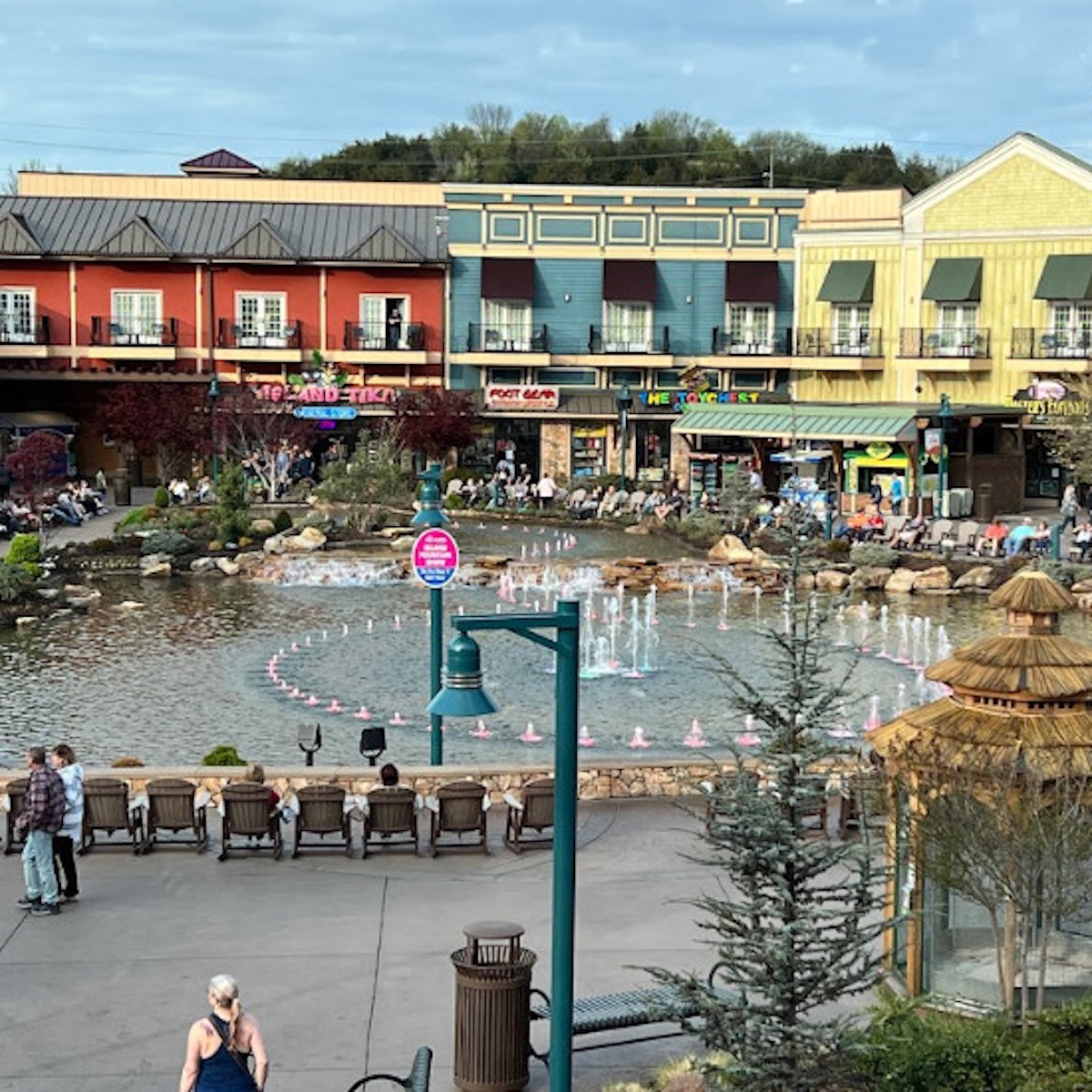
Places like Pigeon Forge, packed with small theatres and nightly shows, remind us what it feels like to actually experience entertainment, not just consume it.
Jump to:
Beyond the Screen, Back to the Stage
For years, we’ve been promised that convenience would fix everything. We could have groceries at the door, therapy over a video call, and movies streamed directly to our phones while sitting on the toilet.
It worked for a while. The pandemic only made it more normalised.
People got used to watching concerts through Instagram Lives, comedians doing bits in their kitchen, and entire theatre runs debuting online. But somewhere along the way, the experience shrank.
Now, more than ever, people are realising that watching something isn’t the same as feeling it.
Live performances offer what screens can’t: unpredictability, energy, human error, real laughter, shared space. That last part, sharing the space, is more valuable than we thought.
It’s not just about watching someone sing, dance, or tell jokes. It’s about sitting in a room full of strangers who are all reacting at the same time.
There’s something ancient and grounding about it. No buffering. No skipping. No pausing.
Take clean comedy shows, for example. When done right, they hit everyone in the room.
Not because the material is safe, but because the delivery is sharp, the timing is tight, and the whole audience can laugh without looking over their shoulder to see who’s offended.
The Comedy Barn Theatre in Pigeon Forge does this perfectly. They serve up over two hours of pure, family-friendly entertainment, with everything from live country and gospel music to magicians, ventriloquists, jugglers, barnyard animals, and comics who know exactly how to read a room.
It's not watered down or forced; it’s genuinely funny and wildly unpredictable.
You don't get the same energy sitting at home with one eye on your phone and the other on a paused Netflix window.
The Return of Human Timing
One of the biggest losses in the streaming era is the flattening of humour. On screen, everything is edited.
Pauses are cut. Reactions are calculated. Even live specials go through post-production, so what we see is the polished version. It’s efficient, sure, but it’s not alive.
A live performance doesn’t get retakes. If the mic squeals, the comic rolls with it. If a kid laughs in the wrong place, the actor might respond mid-line.
This isn’t chaos, it’s craft. It’s how timing works when you’re responding to an actual, breathing audience.
Timing in a live room adjusts second by second. You can’t pause to rewind a joke or rewatch a facial expression, but you also don’t need to. The laughs are built for now.
They don’t wait. They don’t repeat. When a magician drops a prop and turns it into a punchline, it’s not part of the script.
But it might be the moment you remember most. You can’t fake that kind of presence.
People are exhausted by polish. They've seen every lighting trick, every sound cue, every curated clip pretending to be “real.”
What they want, what they miss, is imperfection with intention. Not sloppy, not amateurish, but alive.
The best live performances give you that. They feel like a conversation, not a recording.
Attention Is a Finite Resource
It’s easy to blame attention spans for why people can’t finish a movie anymore.
But it’s not always attention that’s lacking; it’s commitment. Streaming gives you endless choice, which sounds great until you realize it also gives you zero urgency.
You can pause, fast-forward, or abandon anything with no consequence. That freedom makes it harder to care.
A live show, though, demands presence. You can’t check out halfway through. You bought the ticket. You’re in the room. The lights are down. The show is on.
There’s a cost to walking out, and not just financial. You become a participant in something that’s unfolding. That’s a rare thing today.
Even for people who claim to hate commitment, there’s value in events that require them to show up fully. Sit still. Look forward. React in real time. Laugh when it’s funny.
Feel when it’s heavy. Be in sync with a group of strangers for 90 minutes. It’s a reset button for overstimulated brains.
🤖 Looking For An Answer?
Ask AI to summarise this post to see if the article answers your questions:
The Digital Isn't the Problem: It's the Default
Streaming isn’t going away, and it shouldn’t. It’s accessible, affordable, and gives artists more ways to reach people.
But when it becomes the only way we consume entertainment, something gets lost. Not everything should fit on a phone screen.
Not everything can be compressed, filtered, or paused. Some things need space, noise, bodies, and the smell of popcorn in a cramped lobby.
Live performance pushes back against the default. It says, “We’re not going to polish every edge.” It reminds people that connection doesn’t need pixels.
That the best reaction shots don’t come from a camera, they come from a guy three rows back who just snorted laughing. You don’t hear that on Hulu.
And maybe that’s what makes it stick. Streaming is about escape. Live performance is about encounter. It gives you a story you didn’t expect. A stumble that became a moment.
A stranger’s laugh made the joke even better. Those details don’t survive playback. You had to be there. That’s the whole point.
You Don’t Rewatch the Night You Had
Ask someone about their favorite streamed series, and they’ll list off episodes, scenes, maybe characters.
Ask someone about a live show they loved, and they’ll tell you what happened. How the lights hit the stage just right.
How the comic picked on someone in the front row. How the singer cracked a note, laughed, then nailed it the second time.
That’s memory with texture. With heat. People don’t rewatch the night they had; they remember how it felt.
They remember who they were with, what seat they were in, the buzz in the room before the curtain rose.
It’s not nostalgia. It’s proof. The night happened. You were there. The applause was yours. That story doesn’t live in an algorithm.
- Parents Are Prioritising Breathable, Sustainable Fabrics For Children's Seasonal Sleepwear
- Our Homemade Christmas Printables, Made With AI: What Worked, What Didn't, and What I'm Saving for Next Year
- At-Home vs. In-Lounge IV Therapy in the Hudson Valley: Which Makes More Sense?
- Can Passengers Pursue Compensation After a Car Accident?




So yes, stream your shows. Binge what you want. But save room for the real thing. The ticket stub in your back pocket.
The seat that squeaked every time you leaned forward. The laugh that hurt your ribs.
Live performance still matters, not because it's better than streaming, but because it offers something streaming never will: presence.





Leave a Reply