

Life has a way of filling every spare moment with something to think about. Between work, family, notifications, and endless to-do lists, it is easy to feel mentally overloaded.
One surprisingly effective way to interrupt that cycle is to give your hands a purposeful activity.
Small physical movements can help redirect restless energy, improve focus, and make stressful moments feel more manageable without requiring a major lifestyle change.
Whether you are sitting through a long meeting, watching television, or waiting in line, keeping your hands engaged can become a practical part of your daily routine.
Jump to:
Start With Hand Tools
One of the easiest places to begin is by using small handheld items designed to keep your fingers moving.
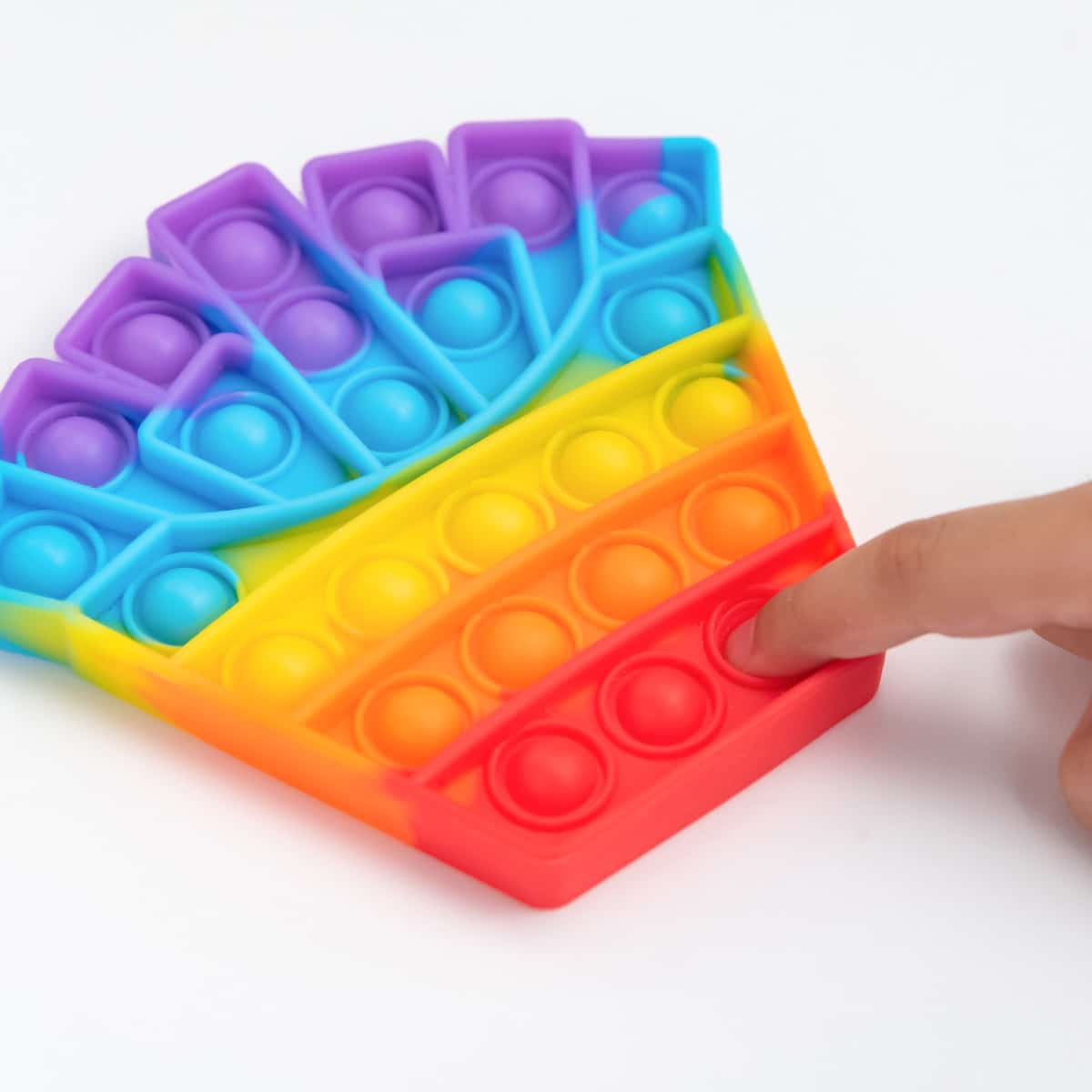
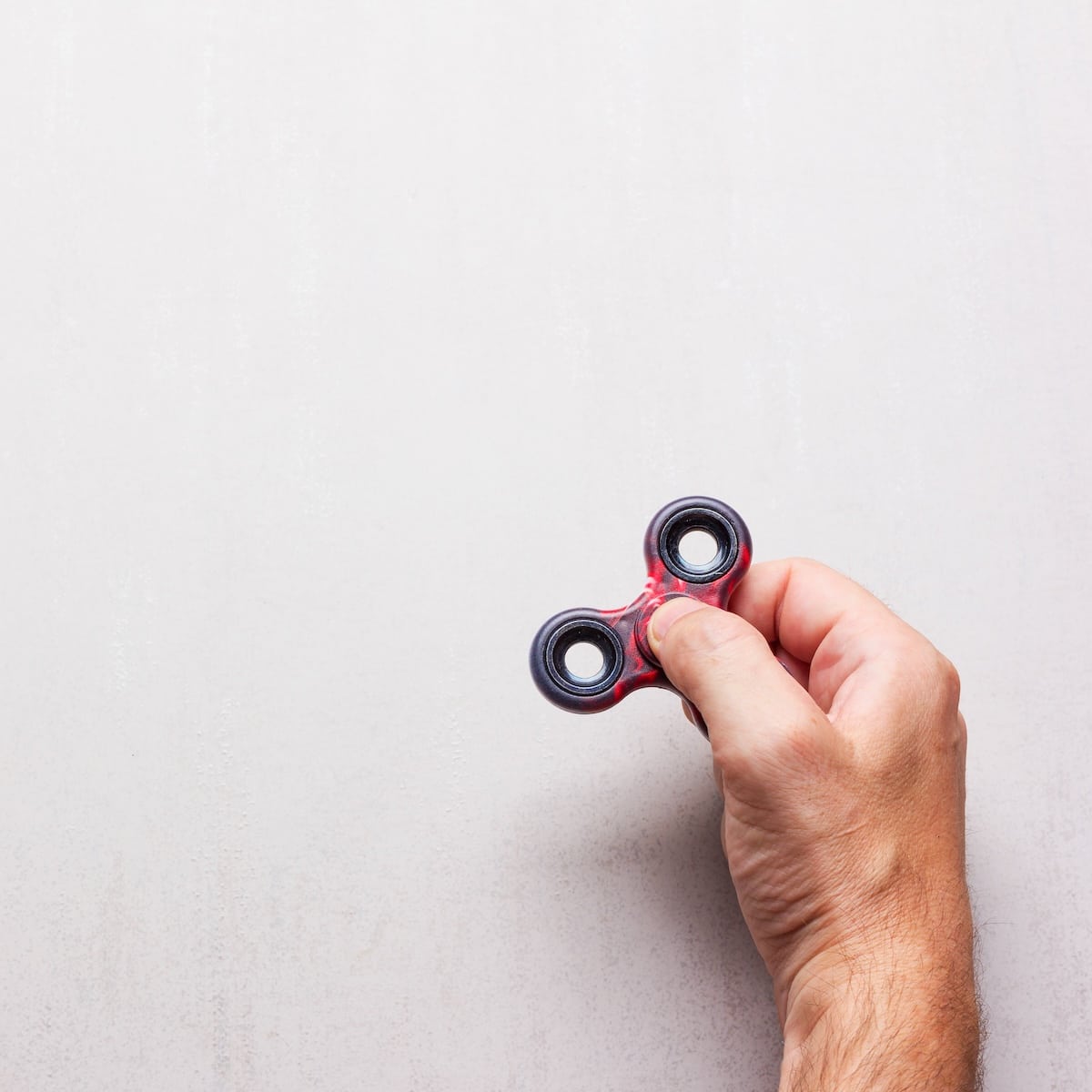
Fidget sliders, rollers and scrollers are one of the best and quickest ways to redirect nervous energy into a simple physical action.
Many adults enjoy these tools because they fit in a pocket, work almost anywhere, and do not demand much attention.
Instead of reaching for your phone every time you have a free minute, using a compact hand tool can provide a satisfying alternative that helps break repetitive habits.
You do not need an expensive collection, either. A smooth worry stone, a rubber grip ring, a stress ball, or even a coin can encourage gentle movement.
The goal is not to stay busy for the sake of it. The goal is to give your brain a physical outlet while your mind continues with the task at hand.
Many people find they stay more focused during long conversations or repetitive work when their hands have something simple to do.
Create Something Regularly
Creative activities naturally keep both your hands and your attention occupied.
Drawing, knitting, crocheting, woodworking, pottery, embroidery, or even assembling model kits encourage repetitive movements that many people find relaxing.
These activities also leave you with something tangible at the end, which adds another layer of satisfaction.
You do not have to consider yourself artistic to enjoy creative hobbies. Adult colouring books, paint-by-number kits, and beginner craft projects remove much of the pressure while still giving your hands meaningful work.
Setting aside even twenty minutes a few evenings each week can provide a welcome break from scrolling social media or worrying about tomorrow's schedule.
Creative projects also offer small milestones. Completing a row of stitches, finishing a sketch, or putting together part of a puzzle gives your brain frequent reminders that progress is happening.
That feeling can help replace mental clutter with a stronger sense of accomplishment.
Explore Enjoyable Activities
Not every hobby needs to produce a finished project. Some simply encourage movement and concentration, which can be just as valuable.
Stress relieving hobbies such as gardening, baking, assembling jigsaw puzzles, building with miniature bricks, or learning card tricks all require your hands to stay engaged while allowing your mind to slow down.
Gardening combines repetitive hand movements with time outdoors, making it a favorite for many people who want a break from screens.
Baking encourages measuring, mixing, kneading, and decorating, all of which naturally pull your attention into the present moment.
Even caring for houseplants can become a calming routine that keeps your hands active while adding a little greenery to your living space.
If you enjoy games, consider activities that involve physical pieces instead of only digital screens.
Chess, checkers, dominoes, or building puzzles encourage hands-on interaction while providing a satisfying mental challenge.
They also create opportunities to spend time with family or friends without every conversation revolving around a phone.
Turn Everyday Tasks Into Habits
You do not always need a dedicated hobby to keep your hands busy. Many ordinary chores offer the same benefits when you approach them with intention.
Folding laundry, organizing a drawer, washing the car, meal prepping, or tending a small herb garden all involve steady movement that can make stressful thoughts feel less overwhelming.
Cooking is another excellent example because your hands stay occupied throughout the entire process.
Chopping vegetables, stirring ingredients, rolling dough, or decorating baked goods naturally demand your attention.
Before long, you may notice that you spent an hour creating something useful instead of replaying the same worries in your head.
It also helps to build small habits around moments that usually invite mindless scrolling.
Instead of automatically grabbing your phone while watching television, keep a puzzle book nearby or pick up a simple craft project. Those little substitutions often add up over time.
Build a Sustainable Routine
The most effective habit is the one you will actually continue. Rather than trying five new hobbies at once, choose one activity that feels enjoyable and easy to fit into your schedule.
- Parents Are Prioritising Breathable, Sustainable Fabrics For Children's Seasonal Sleepwear
- Our Homemade Christmas Printables, Made With AI: What Worked, What Didn't, and What I'm Saving for Next Year
- At-Home vs. In-Lounge IV Therapy in the Hudson Valley: Which Makes More Sense?
- Can Passengers Pursue Compensation After a Car Accident?




Keep your favorite hand tool in your desk drawer, leave your puzzle on a side table, or set your knitting basket next to the couch where you usually relax.
Consistency matters more than variety. Repeating a calming activity throughout the week trains your brain to associate that movement with relaxation and focus.
Over time, you may even notice yourself reaching for these healthier habits before stress has a chance to build.
There is no perfect activity that works for everyone, and that is completely fine.
The best choice is simply the one that keeps your hands engaged, your attention grounded, and your daily routine feeling a little more balanced.





Leave a Reply