

Staring at a quote that runs into the thousands makes anyone pause, especially when the scars themselves aren't painful or medically urgent. It's a reasonable hesitation, and it's one that doctors hear constantly during consultations.
Whether the cost of acne scar treatment in Singapore is worth paying depends less on the number itself and more on what that scarring is already costing you, in confidence, in skincare spending that never quite fixes the problem, and in years of a concern that doesn't resolve on its own.
This article looks at what genuinely determines value in scar treatment, where the money delivers real change, and where it doesn't, so the decision to book, or not book, is based on more than just the sticker price.
Jump to:
- Why Acne Scars Don't Fade on Their Own
- What You're Actually Paying For
- Where the Value Genuinely Shows Up
- Where the Money Doesn't Deliver Value
- Questions to Ask Before Deciding It's Worth It
- When It Makes Sense to Wait
- Getting a Clear Answer for Your Own Skin
- Final Take: Weighing Cost Against Long-Term Confidence
Why Acne Scars Don't Fade on Their Own
Post-inflammatory redness and discoloration usually settle within months without medical treatment.
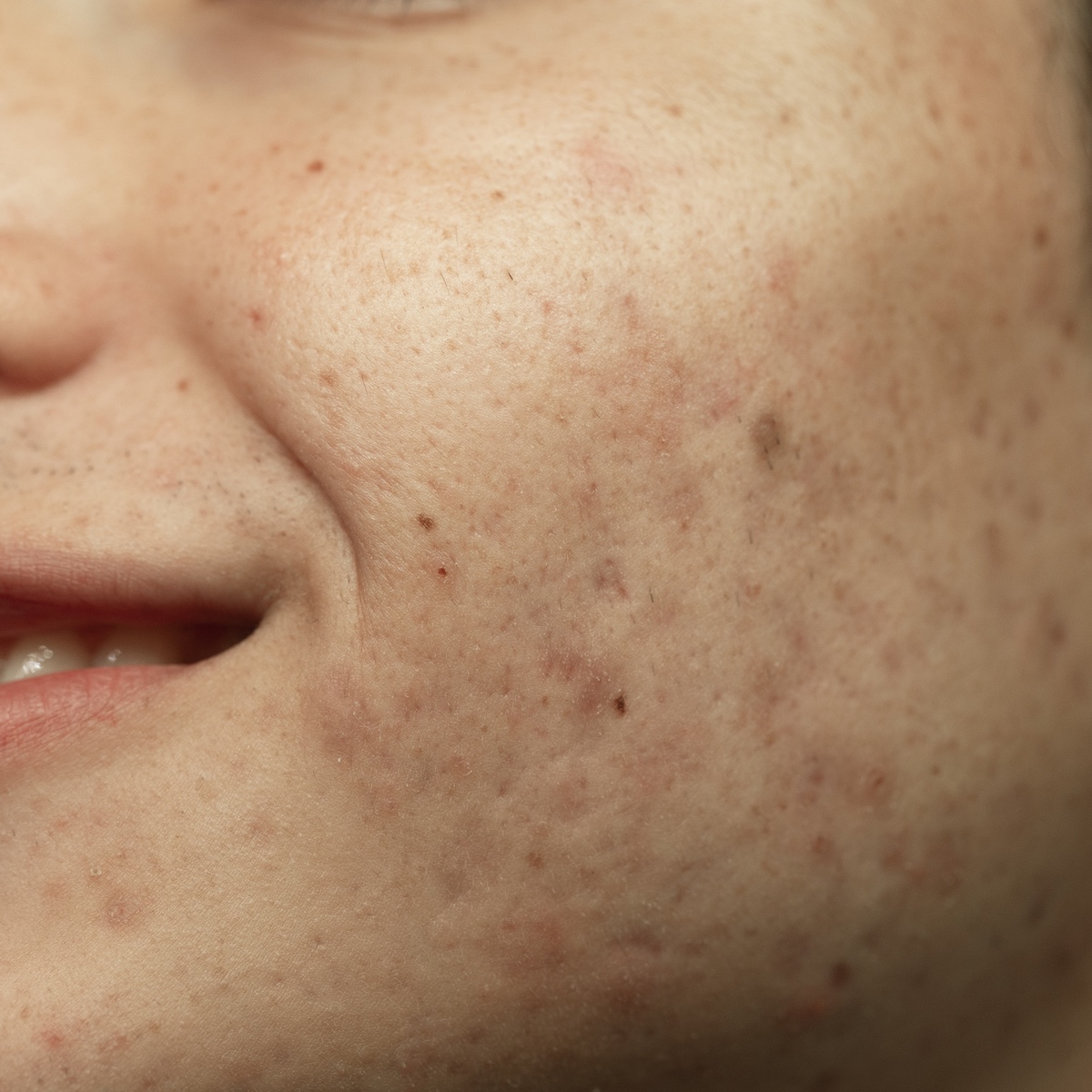
Structural scarring is different. Once collagen production fails to properly rebuild the skin after a breakout, the resulting depression, ice pick, boxcar, or rolling in shape, becomes essentially permanent without intervention.
Serums, exfoliants, and at-home devices can improve skin texture and tone somewhat, but they don't reach deep enough to rebuild collagen in a true structural dent.
This is the core reason treatment cost exists in the first place: it's paying for a level of intervention that skincare products were never designed to deliver.
What You're Actually Paying For
Time Saved Versus Years of Uncertainty
Many people spend years trying different creams, facials, and home remedies before ever booking a proper consultation, often spending a comparable amount over that time without seeing structural change.
A properly diagnosed treatment plan, even at several thousand dollars, can achieve visible improvement within months rather than years of guesswork.
A Diagnosis, Not Just a Procedure
Part of what a consultation fee and treatment plan cover is accurate identification of scar type and depth, which determines whether subcision, laser resurfacing, or a combination approach will actually work.
Skipping this step and self-selecting a treatment based on online reviews often leads to underwhelming results and repeated spending on the wrong modality.
Reduced Risk of Complications
Treatments performed by trained doctors on HSA-registered devices inside MOH-licensed clinics carry a meaningfully different risk profile compared to heavily discounted, unregulated alternatives.
Complications from improperly calibrated energy settings, particularly post-inflammatory hyperpigmentation in darker skin tones, can be more expensive and more difficult to correct than the original scarring.
Where the Value Genuinely Shows Up
- Visible texture improvement: most patients see a noticeable smoothing of rolling and boxcar scars after a properly staged combination programme, even if scars are rarely erased completely
- Reduced reliance on makeup or filters: many patients report spending less time and money on heavy coverage once texture improves
- Better response to skincare: smoother skin often absorbs and responds to topical products more evenly than heavily scarred texture
- Confidence in professional and social settings: this is subjective, but frequently cited by patients as the most valued outcome of treatment
- Long-term durability: collagen-stimulating treatments like subcision and fractional laser tend to hold their results for years, unlike temporary fixes such as filler alone
Where the Money Doesn't Deliver Value
Spending on the most expensive session available isn't automatically the smartest move.
Stacking multiple aggressive treatments into a single visit, or repeating the priciest modality without addressing scar type first, doesn't necessarily produce faster or better results, it just produces a higher bill.
Similarly, treating scars while active acne continues unchecked wastes money, since new breakouts generate new scarring that undoes the repair work already paid for.
The most expensive mistake in acne scar treatment usually isn't spending too little, it's spending steadily on sessions too weak or poorly matched to actually build lasting change.
Questions to Ask Before Deciding It's Worth It
Before booking, it helps to ask what specific scar types are present, what treatment combination is being recommended and why, how many sessions the plan realistically requires, and what results are achievable given your scar depth and skin tone.
A doctor willing to set honest expectations, including acknowledging that scars are usually improved rather than fully erased, is generally more trustworthy than one promising a complete, guaranteed fix.
When It Makes Sense to Wait
Treatment isn't always urgent. If active acne is still flaring, most doctors recommend controlling breakouts first before investing in scar repair, since treating scars too early often means repeating sessions later. Similarly, patients who are pregnant or breastfeeding are often advised to delay stronger resurfacing treatments until hormones stabilise, favouring gentler options in the interim. Waiting for the right timing isn't wasted time, it's part of getting genuine value from the money eventually spent.
Getting a Clear Answer for Your Own Skin
The honest answer to whether treatment is worth it depends entirely on your specific scarring, skin goals, and how much the concern currently affects you day to day. Clinics such as Bio Aesthetic Clinic typically walk patients through a proper scar assessment before recommending any plan, which gives a much clearer picture of realistic outcomes and cost before committing to a programme, rather than leaving that judgment to guesswork or online reviews alone.
Final Take: Weighing Cost Against Long-Term Confidence
Acne scar treatment cost in Singapore is easier to judge as worthwhile when measured against what the scarring is already costing in time, confidence, and ongoing spending on products that don't address the root cause.
- Parents Are Prioritising Breathable, Sustainable Fabrics For Children's Seasonal Sleepwear
- Our Homemade Christmas Printables, Made With AI: What Worked, What Didn't, and What I'm Saving for Next Year
- At-Home vs. In-Lounge IV Therapy in the Hudson Valley: Which Makes More Sense?
- Can Passengers Pursue Compensation After a Car Accident?




For patients with genuine structural scarring and realistic expectations about gradual, not instant, improvement, a properly matched treatment plan tends to deliver value that skincare alone simply can't.
The decision ultimately comes down to whether smoother, more even skin is worth the investment for your own life, not whether the price tag looks reasonable on paper.





Leave a Reply