

Injury’s Impact on Hobbies and Leisure Activities often extends far beyond the immediate physical pain, reshaping daily routines and emotional well-being.
For many people, hobbies like gardening, painting, hiking, or playing sports provide stress relief, social interaction, and a sense of joy.
After an injury, these activities may feel difficult, uncomfortable, or even impossible, creating frustration and a loss of identity.
Physical limitations can reduce strength, flexibility, or endurance, making even simple tasks take more energy than before.
Emotional impacts are equally significant, as losing the ability to participate in enjoyable pastimes may lead to feelings of isolation, sadness, or decreased self-confidence.
Social life can also be disrupted when injuries prevent joining friends or community groups in shared activities, further compounding the sense of loss.
Adapting may mean finding modified ways to engage, such as using adaptive tools, choosing low-impact alternatives, or exploring new hobbies that suit current abilities.
Support from healthcare providers, therapists, and loved ones can make this transition smoother by focusing on what is still possible.
With patience, creativity, and encouragement, it is often possible to rediscover joy in leisure and reclaim the emotional benefits that hobbies bring.
Jump to:
Physical Limitations and Adjustments
Injuries often create immediate physical barriers that make hobbies harder to enjoy.
For example, a wrist injury may prevent someone from playing the piano, knitting, or lifting weights.
Joint injuries can limit mobility, making running, swimming, or cycling challenging.
Even hobbies that seem low-impact, like reading or gaming, can become frustrating when pain or restricted movement interferes with comfort.
Adjusting to these limitations requires creativity and patience.
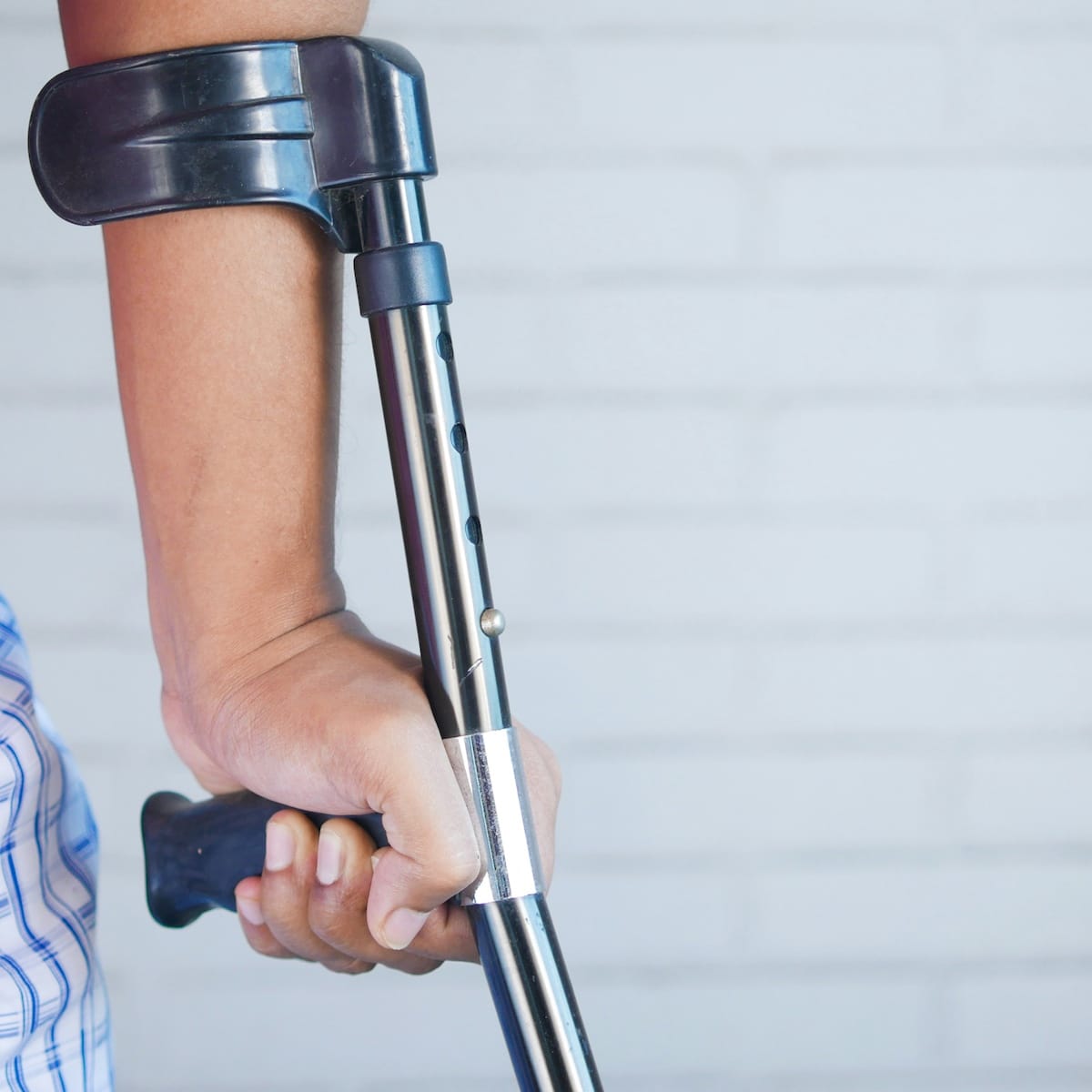
Individuals might need to switch to adaptive equipment, modify techniques, or temporarily pause certain activities.
This process can feel discouraging, but small steps toward resuming familiar pastimes often help rebuild confidence.
Financial Concerns and Compensation
Recovering from an injury often comes with unexpected expenses, which can affect the ability to continue hobbies and leisure activities.
Medical bills, therapy sessions, and mobility aids can quickly add up, making recreational spending feel like a luxury.
Seeking compensation through legal channels can alleviate some of these pressures.
Speaking with an attorney can clarify potential claims for medical costs, lost wages, and compensation for disrupted hobbies.
For instance, if someone cannot participate in a sport they love due to someone else’s negligence, financial restitution may help cover adaptive equipment, therapy, or alternative recreational activities.
This support allows individuals to focus on healing while retaining access to pastimes that contribute to mental and emotional health.
Emotional Impact and Motivation
The inability to engage in hobbies can take a significant emotional toll.
Many people turn to leisure activities as a form of stress relief, self-expression, or social connection.
Losing these outlets can lead to frustration, anxiety, and feelings of isolation.
Motivation to attempt old activities may diminish after repeated discomfort or failed attempts, making recovery feel even more discouraging.
Emotional well-being is closely tied to physical activity, so finding small ways to stay involved is critical.
Exploring modified forms of favorite hobbies or discovering new ones that align with current abilities can help rebuild confidence and provide a sense of purpose during recovery.
🤖 Looking For An Answer?
Ask AI to summarise this post to see if the article answers your questions:
Social Isolation and Community
Injuries can also impact social life, particularly when hobbies are shared with friends or groups.
Team sports, dance classes, book clubs, and volunteer activities often involve regular social interaction.
An injury may force someone to withdraw from these communities, which can increase feelings of loneliness.
The absence of shared experiences can also affect relationships, as friends and family may struggle to understand the limitations imposed by an injury.
Finding alternative ways to stay connected, such as virtual participation or adaptive social activities, can maintain a sense of belonging and prevent the isolation that often accompanies physical setbacks.
Adaptive Strategies and Tools
Many people successfully continue their hobbies after injury by embracing adaptive strategies.
Specialized equipment, ergonomic tools, and creative modifications can allow participation in activities that initially seemed impossible.
For example, adaptive bicycles, modified gaming controllers, or voice-activated devices enable engagement in sports, gaming, or creative work.
Occupational therapy often offers guidance on adjusting activities safely and effectively.
Developing a new routine that respects physical limits while maintaining enjoyment can prevent additional injury and make hobbies accessible again.
Over time, these adaptations can even inspire new interests or ways of practicing existing skills.
- Parents Are Prioritising Breathable, Sustainable Fabrics For Children's Seasonal Sleepwear
- Our Homemade Christmas Printables, Made With AI: What Worked, What Didn't, and What I'm Saving for Next Year
- At-Home vs. In-Lounge IV Therapy in the Hudson Valley: Which Makes More Sense?
- Can Passengers Pursue Compensation After a Car Accident?




Long-Term Lifestyle Adjustments
Adjusting to life after an injury often involves long-term changes in daily routines and leisure choices.
Some hobbies may need to be permanently replaced, while others can be pursued in reduced intensity or altered form.
This shift can require reflection, planning, and sometimes professional guidance from medical experts or recreational therapists.
Learning to recognize personal limits, pacing activities, and scheduling regular rest are key components of sustainable participation.
These adjustments help individuals maintain physical and emotional health while continuing to find fulfillment in hobbies that bring joy and purpose.
Engaging in leisure activities after an injury presents challenges that extend beyond physical recovery.
Each limitation can influence emotional well-being, social life, and overall quality of life.
By understanding the effects of injuries on recreational pursuits, exploring adaptive strategies, and seeking financial and legal support when necessary, individuals can reclaim parts of their previous lifestyles.
Over time, creative approaches and gradual reintegration into hobbies can restore satisfaction and provide a sense of normalcy despite new physical realities.





Leave a Reply