

Basketball is a sport that requires discipline, accuracy, and continuous repetition to master. Consistent training plays a crucial role in developing skills, yet external factors can often interfere with progress.
Outdoor environments, while accessible, present challenges such as changing weather conditions, uneven playing surfaces, and inconsistent lighting, all of which can affect an athlete’s performance and focus.
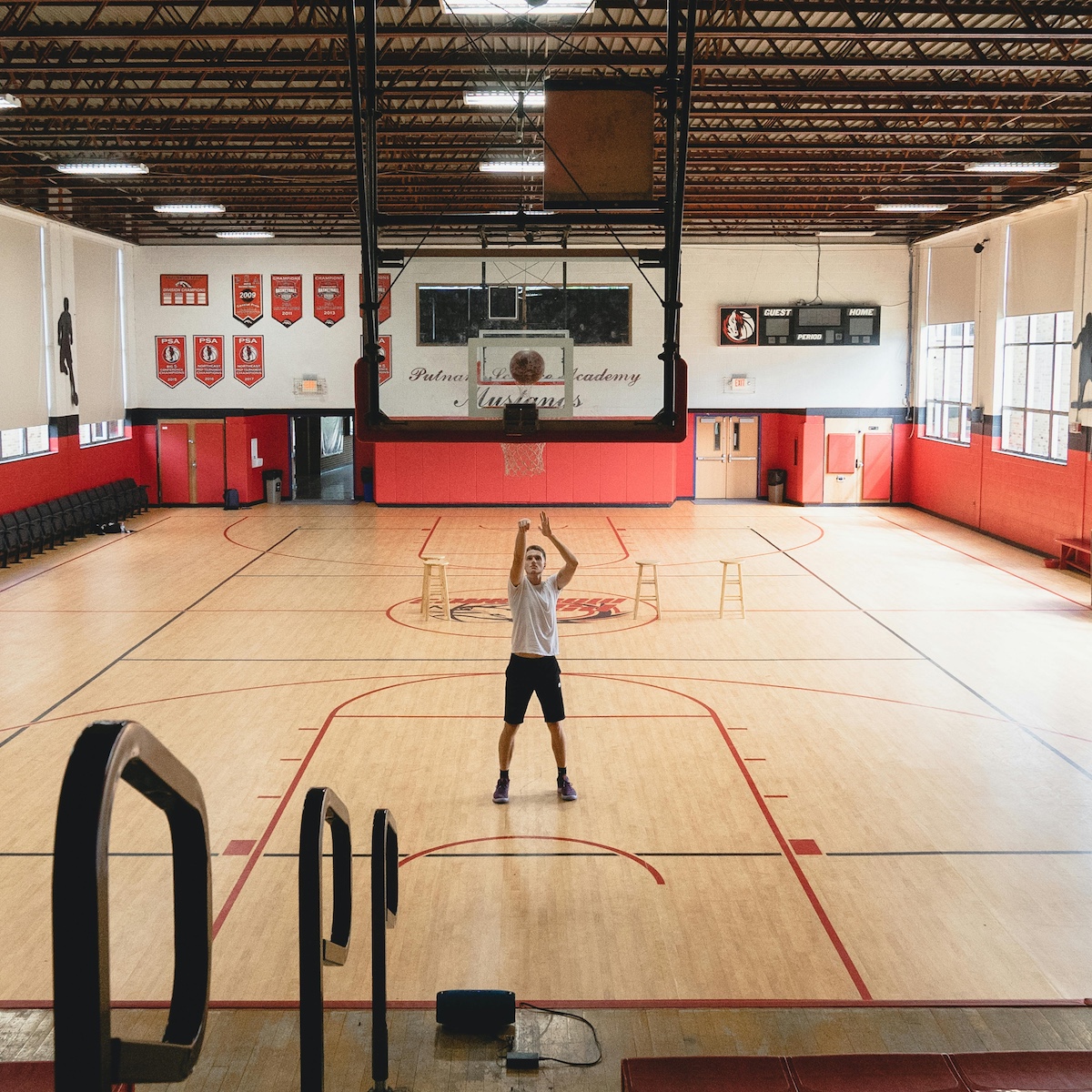
To address these challenges, facilities like Dream Courts' Indoor Basketball Court offer a reliable solution for athletes seeking a more controlled training environment.
Indoor basketball courts eliminate many of the variables associated with outdoor play, allowing players to train consistently throughout the year.
In Australia, where weather patterns can differ greatly between regions, access to indoor courts has become increasingly important for athletes aiming to refine their skills and maintain a competitive advantage.
Jump to:
Consistent Playing Conditions for Skill Development
One of the most significant advantages of indoor courts is consistency. Unlike outdoor surfaces that may be affected by rain, wind, or heat, indoor courts offer stable hardwood flooring, regulated lighting, and controlled temperatures.
This consistency allows players to refine their shooting accuracy, ball handling, and footwork without external interference.
Repetition is key to mastering basketball fundamentals. Indoor courts ensure that every dribble, pass, and shot behaves predictably, enabling athletes to build muscle memory more effectively.
Over time, this leads to improved confidence and performance during competitive matches.
Year-Round Training Opportunities
Australia’s diverse climate, from tropical humidity in the north to cooler winters in the south, can limit outdoor play. Indoor courts eliminate these barriers, allowing uninterrupted training schedules regardless of season or weather conditions.
This year-round accessibility is particularly beneficial for aspiring athletes and teams preparing for competitions.
Regular practice without cancellations helps maintain fitness levels, sharpen skills, and foster team cohesion.
For junior players, consistent exposure to structured training environments accelerates development and nurtures long-term engagement with the sport.
Enhanced Safety and Injury Prevention
Indoor courts are designed with athlete safety in mind. High-quality hardwood or synthetic flooring provides better shock absorption compared to concrete or asphalt surfaces commonly found outdoors.
This reduces the impact on joints, lowering the risk of injuries such as ankle sprains or knee strain.
Additionally, indoor facilities are free from environmental hazards like debris, wet patches, or uneven ground. Controlled environments also allow for proper supervision and structured training programs, further enhancing player safety.
Improved Focus and Performance
Training indoors minimises distractions. Without wind, glare from the sun, or external noise, players can concentrate fully on drills and gameplay. This heightened focus leads to more productive training sessions and faster skill acquisition.
Coaches also benefit from indoor settings, as they can implement structured drills, analyse player performance, and provide immediate feedback without interruptions. Over time, this contributes to more disciplined and tactically aware athletes.
Access to Advanced Training Facilities
Many indoor basketball venues in Australia are equipped with modern amenities such as shooting machines, strength and conditioning areas, and video analysis tools.
These resources support a holistic approach to player development, combining technical skills with physical fitness and strategic understanding.
Indoor courts often host leagues, clinics, and development programs, providing players with opportunities to compete and learn in a professional environment. This exposure is crucial for those aiming to progress to higher levels of competition.
Supporting Community and Grassroots Growth
Indoor basketball facilities play a vital role in strengthening local communities. They provide safe, accessible spaces for players of all ages and skill levels to engage in the sport.
Schools, clubs, and community groups frequently utilise these venues to run programs that promote physical activity, teamwork, and social connection.
In Australia, where basketball continues to grow in popularity, indoor courts are central to sustaining this momentum.
They ensure that participation is not limited by weather or location, making the sport more inclusive and widely accessible.
Conclusion
Indoor basketball courts offer a reliable, safe, and high-performance environment that supports player development throughout the year.
From consistent playing conditions and injury prevention to enhanced focus and access to advanced facilities, the benefits are substantial.
- Parents Are Prioritising Breathable, Sustainable Fabrics For Children's Seasonal Sleepwear
- Our Homemade Christmas Printables, Made With AI: What Worked, What Didn't, and What I'm Saving for Next Year
- At-Home vs. In-Lounge IV Therapy in the Hudson Valley: Which Makes More Sense?
- Can Passengers Pursue Compensation After a Car Accident?




For athletes, coaches, and communities across Australia, investing in indoor courts is more than a convenience; it is a strategic advantage.
By enabling uninterrupted training and fostering skill progression, indoor courts play a pivotal role in elevating basketball performance at every level.





Leave a Reply