

Keeping weeds under control is one of the biggest challenges for property owners, whether you manage a large garden, maintain a home garden, or oversee agricultural land.
Weeds grow quickly, compete with desirable plants for nutrients, and can spread aggressively when left unchecked.
Long-term weed management requires more than occasional pulling or spraying, it calls for a thoughtful, strategic approach that prevents weeds from returning year after year. Below are six effective strategies that can help you build a weed management plan that lasts.
Jump to:
- Understand Your Local Weed Pressure and Growing Conditions
- Strengthen Soil Health to Reduce Weed Growth
- Use Mulch Strategically for Suppression and Prevention
- 🤖 Looking For An Answer?
- Combine Mechanical and Chemical Methods Thoughtfully
- Establish Strong Ground Covers and Competitive Plants
- Maintain a Consistent Monitoring and Maintenance Routine
Understand Your Local Weed Pressure and Growing Conditions
Every region deals with its own mix of stubborn weeds, climate patterns, and soil conditions, all of which impact long-term weed control.
By learning which species dominate your area, you can choose the most effective treatment methods and avoid wasting time on solutions that won’t last.
Understanding these regional differences helps you anticipate seasonal weed cycles and prepare before they spread. Whether you work with weed control experts in Arizona, Nevada, or anywhere else, the key is identifying what environment you’re working with so you can tailor your plan to the actual challenges on the ground. This foundation makes every other weed management strategy more effective.
Strengthen Soil Health to Reduce Weed Growth
Healthy soil naturally reduces weed pressure by supporting strong, thriving plants that outcompete unwanted species. Improving soil health through organic matter, proper aeration, and balanced nutrients creates conditions where weeds struggle to take hold.
Practices like composting, mulching, and crop rotation can significantly improve soil structure.
Healthy soil retains water better and encourages robust root systems in plants you want to keep, making them more resilient against invasive growth.
As soil improvement is a long-term commitment, it delivers consistent results and reduces your reliance on chemical treatments.
Use Mulch Strategically for Suppression and Prevention
Mulch does more than help soil retain water, it blocks sunlight from reaching weed seeds, preventing many from germinating in the first place.
Organic mulches like wood chips, straw, and shredded bark can be effective since they suppress weeds and slowly enrich the soil as they decompose.
Be sure to apply mulch in a thick enough layer, typically two to four inches, to create an effective barrier. Around garden beds, pathways, and landscaping features, mulch is one of the simplest and most cost-effective ways to maintain a weed-free environment throughout the year.
🤖 Looking For An Answer?
Ask AI to summarise this post to see if the article answers your questions:
Combine Mechanical and Chemical Methods Thoughtfully
Relying on just one weed control method rarely produces lasting results. The most effective long-term strategies often use a combination of manual removal, targeted herbicide applications, and preventative measures.
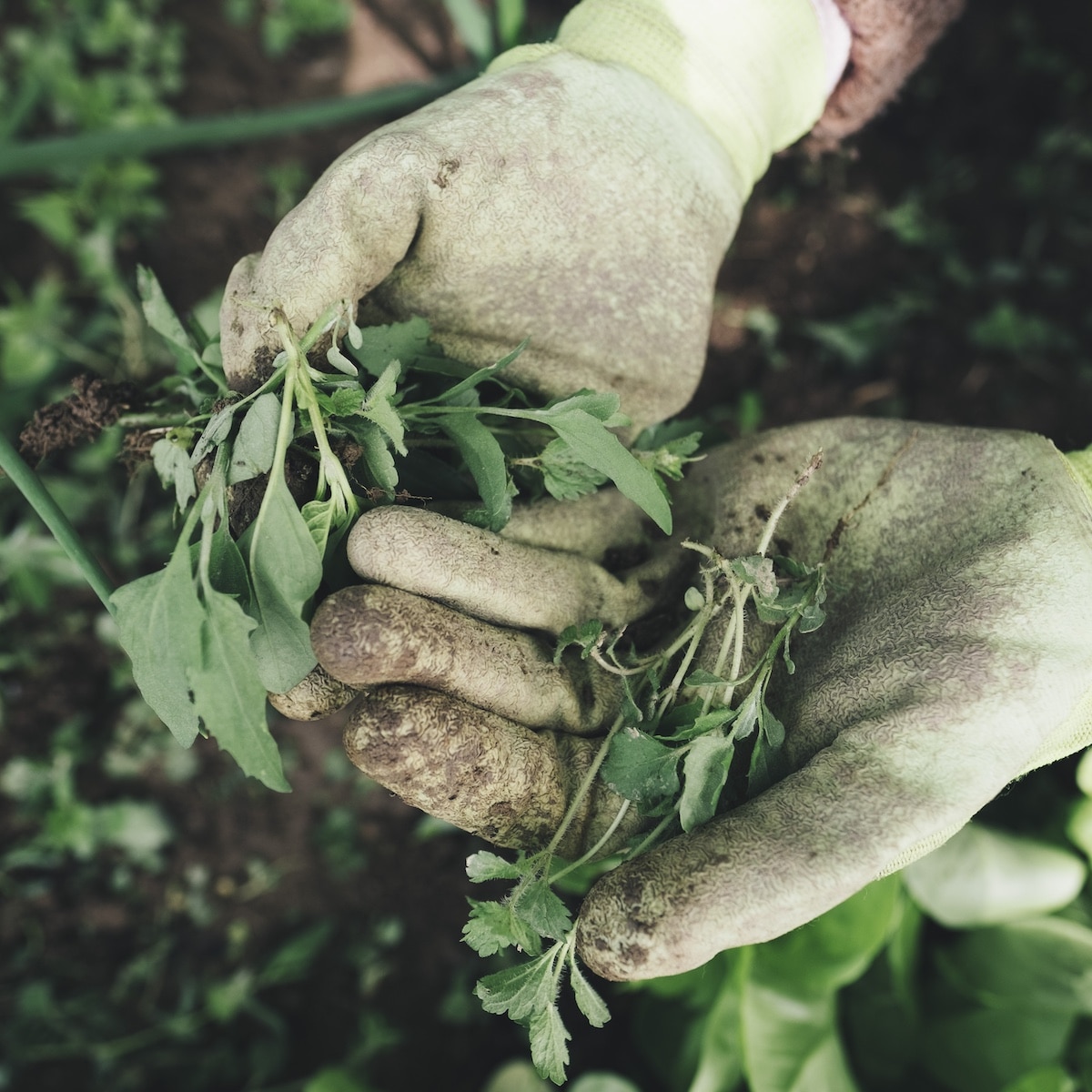
Mechanical control, such as pulling, hoeing, or tilling, works best for young weeds or small areas, and chemical treatments may be necessary for stubborn, deep-rooted species.
The key is timing and moderation. Applying treatments when weeds are most vulnerable, typically early in their growth cycle, prevents seed production and reduces population levels in future seasons.
By pairing mechanical and chemical methods in a planned way, you maximize effectiveness and minimize unnecessary chemical use.
Establish Strong Ground Covers and Competitive Plants
One of the most underrated weed management strategies is planting ground covers or dense vegetation that crowds out weeds before they can establish themselves.
Native grasses, spreading perennials, and low-growing shrubs create natural competition by absorbing light, water, and nutrients.
This method is particularly effective for slopes, open soil areas, and gardens where weeds tend to return repeatedly.
Once established, ground covers require less maintenance than constant weed removal and help maintain long-term control with minimal effort.
Choosing species well-suited to your region guarantees they thrive and keep unwanted plants at bay.
Maintain a Consistent Monitoring and Maintenance Routine
Weeds are persistent, and even the best prevention methods won’t stop every seed from sprouting. That’s why regular monitoring is important.
Walk your property often after rain or seasonal changes, and remove new growth before it spreads.
Below is the one allowed list in this blog, summarizing what to check during routine maintenance:
- New weed seedlings after rainfall
- Bare soil patches that need covering or mulch
- Areas where existing plants seem weak or stressed
- Spots where weeds return repeatedly despite treatment
Catching issues early keeps weed populations low and prevents small problems from turning into large-scale overgrowth.
- Parents Are Prioritising Breathable, Sustainable Fabrics For Children's Seasonal Sleepwear
- Our Homemade Christmas Printables, Made With AI: What Worked, What Didn't, and What I'm Saving for Next Year
- At-Home vs. In-Lounge IV Therapy in the Hudson Valley: Which Makes More Sense?
- Can Passengers Pursue Compensation After a Car Accident?




Long-term weed management isn’t about quick fixes or heavy-handed chemical use. It’s about understanding your environment, improving soil conditions, and combining proven strategies that work together to prevent weeds from taking over.
With the right plan in place and a consistent eye on maintenance, you can significantly reduce weed pressure and enjoy healthier, more resilient gardens.





Leave a Reply