

Simple DIY HVAC Maintenance for Your Home highlights how routine care improves comfort, efficiency and system lifespan.
Many homeowners use HVAC maintenance tips to keep heating, ventilation and air conditioning units running smoothly year-round.
Regular cleaning of filter coils and vents helps reduce energy use and lower utility bills.
Checking the thermostats, ductwork, and insulation also ensures systems operate at peak performance.
DIY upkeep prevents minor issues from turning into expensive repairs over time.
Seasonal checks before winter or summer prepare the system for heavier workloads.
By following home HVAC care practices, families can enjoy reliable climate control and fewer breakdowns.
Consistent attention to maintenance provides comfort savings and peace of mind for every household.

Jump to:
Understanding Your HVAC System
Before diving into maintenance strategies, it's crucial to understand the components of your HVAC system.
Typically, an HVAC system includes the furnace, air conditioner, ductwork, and ventilation system.
Each component plays a specific role in regulating temperature and air quality.
The furnace and air conditioner are responsible for heating and cooling, respectively, while the ductwork distributes conditioned air throughout your home.
The ventilation system helps maintain fresh air quality by filtering and circulating outdoor air into your indoor environment.
Familiarising yourself with these components will aid in better maintenance practices and in diagnosing potential issues that may arise.
The best way to familiarise yourself is to refer to your system’s manual, provided by your manufacturer.
Scheduling Professional Maintenance
While DIY measures are crucial, scheduling regular maintenance checks with a professional is equally important for optimal HVAC performance.
Technicians from your local HVAC company can perform detailed assessments, identifying any hidden issues such as refrigerant leaks or electrical problems that DIY inspections may miss.
They can also offer advice on any upgrades or changes that might improve the efficiency of your system.
Having expert water heater replacement and installation services over to assess your current setup ensures that you select a model perfectly sized for your household's peak demands.
This professional guidance helps prevent the common mistake of overspending on capacity while maximizing the long-term energy savings for your home.
Typically, it is recommended to have your HVAC system serviced twice a year, once before the cooling season and once before the heating season.
By investing in professional maintenance, you can catch small issues before they escalate into costly repairs, ensuring that your system remains reliable for years to come.
Regular Filter Replacement
One of the simplest yet most effective maintenance steps is the regular replacement of air filters.
Filters play a crucial role in trapping dust, allergens, and other airborne particles.
When filters become clogged, they impede airflow, making your HVAC system work harder and reducing its efficiency.
Depending on the type of filter and usage conditions, it's typically recommended to replace filters every one to three months.
For households with pets or higher dust levels, more frequent replacements may be necessary.
By maintaining clean filters, you improve your system's performance and enhance indoor air quality, creating a healthier living environment for you and your family.
🤖 Looking For An Answer?
Ask AI to summarise this post to see if the article answers your questions:
Cleaning the Condenser Unit
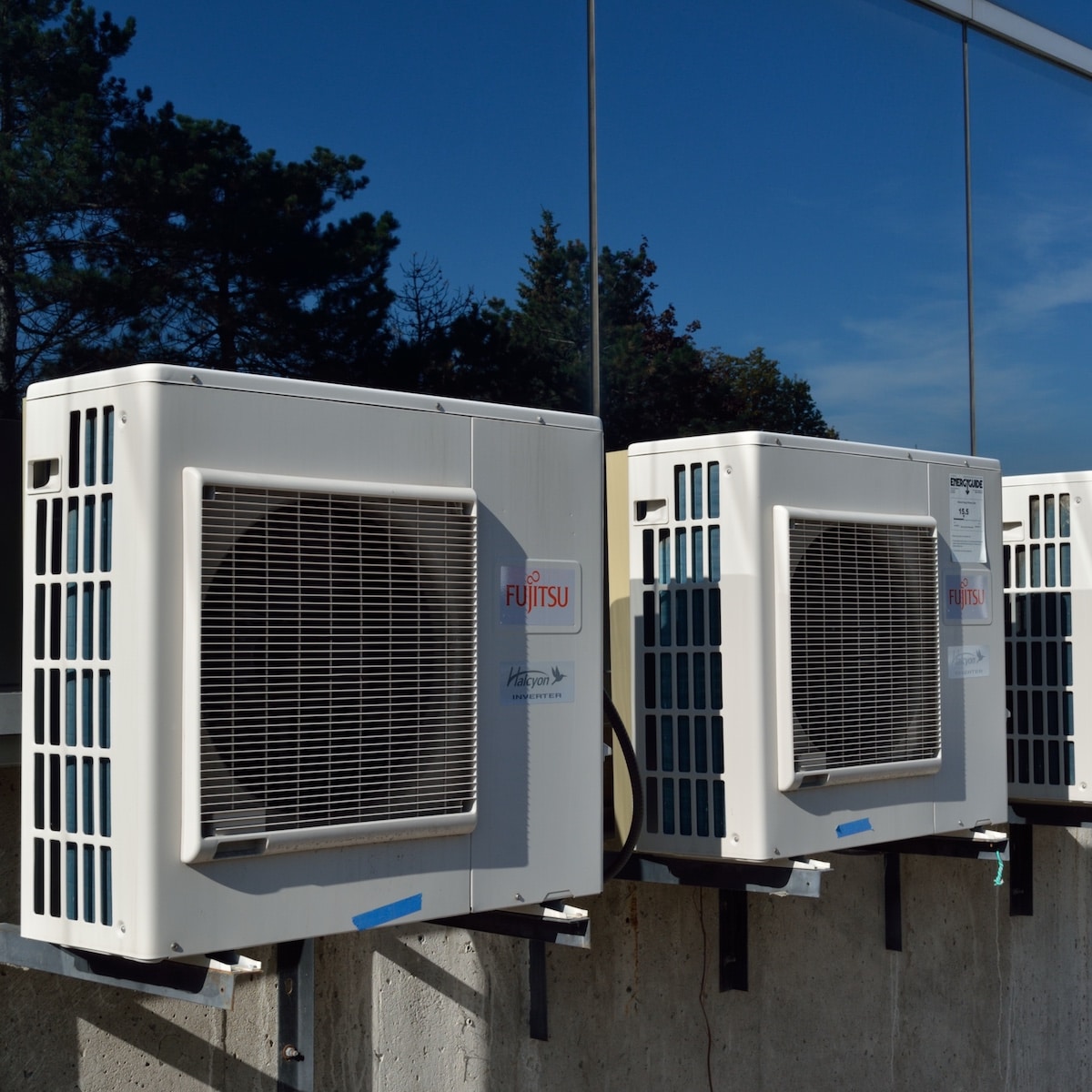
Most modern HVAC systems have an outdoor condenser unit that requires regular cleaning to function correctly.
Dirt and debris can accumulate on the condenser coils, hindering the system's ability to release heat. To clean the unit, first, turn off the power.
Remove any debris from around the unit, such as leaves, branches, and dirt, which can obstruct airflow.
Use a garden hose to spray down the coils, being careful not to damage the fins.
Periodically cleaning the condenser unit will improve its efficiency and prolong its lifespan.
Consider scheduling an annual professional cleaning, as HVAC technicians possess the necessary tools and expertise to ensure all components are functioning optimally.
Inspecting Ductwork
Your HVAC system is only as effective as its ductwork. Inspecting ducts for leaks or blockages can significantly impact energy consumption and air quality.
If you're noticing uneven temperatures in different rooms, it may be a sign of duct issues.
Use a flashlight to examine the ducts for any visible tears, gaps, or blockages.
Seal any leaks with duct tape or consider using mastic sealant for a more permanent fix.
Keeping ducts clean and free from obstructions maximises airflow, ensuring that conditioned air reaches every corner of your home.
Regular duct inspections and cleanings can prevent the buildup of dust and allergens, making your indoor environment healthier.
Monitor Temperature Settings
A common oversight in HVAC maintenance is the improper setting of temperature controls.
A programmable thermostat can contribute significantly to maintaining energy efficiency by allowing you to set different temperatures throughout the day according to your needs.
Setting your thermostat a few degrees higher during the warm months or lower during winter can yield significant energy savings.
It’s advisable to regularly check your thermostat's accuracy to ensure that your heating and cooling systems respond appropriately.
- Parents Are Prioritising Breathable, Sustainable Fabrics For Children's Seasonal Sleepwear
- Our Homemade Christmas Printables, Made With AI: What Worked, What Didn't, and What I'm Saving for Next Year
- At-Home vs. In-Lounge IV Therapy in the Hudson Valley: Which Makes More Sense?
- Can Passengers Pursue Compensation After a Car Accident?




Investing in a smart thermostat can offer greater control and efficiency, adjusting to your routines and preferences.
This way, you can enjoy a comfortable living space without overworking your HVAC system.
Staying proactive with your HVAC maintenance can significantly enhance the efficiency and longevity of your system.
By implementing these simple DIY tasks, you foster a comfortable and healthy living environment while supporting energy conservation.
Remember that working with HVAC professionals can ease your maintenance responsibilities and ensure that your system is working at its best.





Leave a Reply