

Last October I watched a neighbor stand in his driveway at seven in the morning, staring at a frozen hose bib while a hair dryer ran an extension cord across his lawn.
He'd skipped one twenty minute task in September. That single miss turned into a cracked fitting, a soaked garage wall, and a repair bill he didn't budget for.
That's the whole game with winter prep. Every task on this list is boring and short. Skip a couple, and the season punishes you at the worst possible moment, usually on a holiday weekend when you'd rather be doing anything else.
If you'd rather hand the whole checklist to someone who does it every week, you can bring in 1-800-Plumber +Air of Front Range, but plenty of it you can knock out yourself in one Saturday afternoon.
Here's the plan: outdoor water first, then the systems rooted in your basement or utility closet, then a final walkthrough. Work in that order and you'll catch the failures that actually cost money.
Jump to:
Start Outside, Where The Freeze Hits First
Your exterior faucets take the earliest hit. In most Front Range homes there are two to four of them, and each one has a shutoff valve inside, usually within a few feet of where the pipe exits the wall.
Close that valve first, then open the outdoor spigot to drain whatever's left in the line. If you drain nothing, the valve may already be passing water, which is its own problem worth fixing now.
Disconnect every hose and store it. A hose left connected traps water against the faucet and gives it nowhere to expand.
Same story for sprinkler systems: blow the lines out or have it done, and don't rely on a mild forecast to save you.
If you've never looked at your local freeze dates, the National Weather Service publishes the average first freeze window for your area, and most of the Front Range sits earlier in that window than people assume.
Drip irrigation, hose reels, and decorative fountains all fall into the same bucket. I'd rather spend an hour on these in October than one minute dealing with a split copper line in January. It's not a close call.
Insulate The Pipes You Can Actually Reach
Most freeze damage happens in unheated spaces: crawlspaces, garages, attics, and the stretch of pipe running along an exterior wall. Foam pipe sleeves cost a few dollars each and take seconds to install.
Buy more than you think you need, because once you start looking you'll spot runs you forgot existed.
Pay attention to where pipes run under sinks on exterior walls. Open the cabinet doors on the coldest nights to let room air circulate.
It looks silly. It works. I've watched this single habit save a kitchen line on a night that dropped well below zero.
If you find a pipe that's already been patched, or one that shows a bulge or discoloration, don't insulate over it and hope.
That pipe has a story, and you want a plumber to read it before winter does.
Furnace And Filter Basics Before You Need Them
Your heating system has been off for months, which means dust, cobwebs, and sometimes a critter have moved into the intake. Change the filter, then change it again a month into the heating season.
A clogged filter makes the system work harder for less heat, and that's the kind of strain that shows up as a mid-January breakdown.
Walk outside and clear anything sitting within a few feet of the outdoor unit, and check the flue or exhaust vent on a high efficiency furnace.
Nesting material in a vent is a genuine safety concern, not just an efficiency one.
The Department of Energy keeps homeowner guidance on heating systems and seasonal maintenance, and the short version is that consistent small upkeep beats one expensive emergency visit every time.
Test your heat now, on a warm day, while you still have options. Turn the thermostat up, let it run for fifteen minutes, and put your hand near a register.
If the air is lukewarm or the unit short cycles, you've got a diagnosis with no pressure attached.
That's a much better position than discovering it during the first hard cold snap with a house full of guests.
What About The Water Heater And Sump Pump?
Both of them sit quietly in your basement until the day they don't. Flush the water heater once a year to clear sediment, because a tank that's been sitting with buildup for years has to work harder and dies sooner.
If the tank is over ten years old, start pricing replacements before it fails on a Sunday.
Sump pumps matter even in winter, especially during a mid-winter thaw when snowmelt has nowhere to go.
Pour a bucket of water into the pit and confirm the float kicks on and the pump clears the water. If it hums and does nothing, that's a pump on its way out.
Your Fall Winterizing Checklist
- Close interior shutoff valves for all exterior faucets, then drain each spigot
- Disconnect, drain, and store every garden hose
- Blow out sprinkler and irrigation lines
- Insulate exposed pipes in crawlspaces, garages, and attics
- Replace the furnace filter and test the heat on a mild day
- Clear debris from around the outdoor HVAC unit and exhaust vents
- Flush the water heater and check the anode rod if it's accessible
- Test the sump pump with a bucket of water
Work through that list in one afternoon and you'll cover the failures that cause most cold weather damage.
It's not glamorous work, and nobody's going to compliment you on your pipe insulation. You'll just have a quiet, uneventful winter, which is exactly the point.
When To Call A Pro Instead Of Guessing
Some jobs reward a homeowner with a free Saturday. Others punish one. Main water line work, anything involving gas appliances, and heat pump or furnace diagnostics all belong in the second category.
If you smell gas, get out and call from outside, and treat Ready.gov as your reference for what to do next rather than a search result that promises a quick fix.



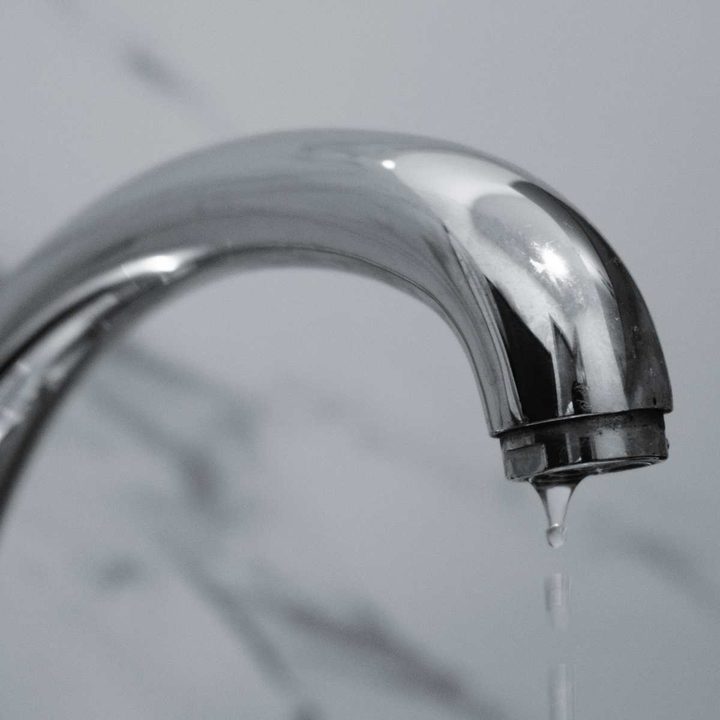
A furnace that's been limping for three seasons won't heal itself in December. Copper pipe that's frozen twice in the same spot will freeze a third time.
When you notice a pattern, that's your cue to stop patching and get someone who sees these systems daily, because a technician who does this work on the Front Range all winter will spot the problem in your garage before you finish describing it.
One more thing worth saying: the best time to book seasonal service is before the calendar fills up, not during the first cold snap when everyone in the neighborhood is calling at once.
Do the work now, or schedule it now. Either way, don't wait for a frozen morning in your driveway to make the decision for you.




Leave a Reply