

Water damage from broken pipes is a burden no homeowner wants to face, leading to expensive repairs, damaged belongings, and disrupted daily routines.
Fortunately, by understanding the most vulnerable points in your plumbing and taking proactive steps, you can significantly reduce the risk of disaster.
Whether you’re a new homeowner or looking to protect an aging property, these expert strategies will help you mitigate water damage risks and keep your home secure.
If you ever need urgent help or fast repairs, Broken pipe repair in Toms River, NJ is available to address plumbing problems swiftly and efficiently.
Taking preventative action isn’t just smart, it’s essential in climates with fluctuating temperatures or older infrastructure. Hidden leaks and undetected corrosion can quickly escalate, causing thousands of dollars in damage or, even worse, the loss of irreplaceable keepsakes.
With some guidance and regular effort, you can ensure your pipes remain in top shape and your home’s foundation is protected for years.
Jump to:
Early Prevention
Early identification of potential weak spots in your plumbing system is one of the most critical steps to preventing severe water damage.
By making inspections and maintenance part of your annual routine, you build a solid defense against the unexpected.
With each proactive step, your risk diminishes, and your peace of mind increases. Broken pipes never wait for a convenient moment. They strike quickly and sometimes without visible warning.
That’s why it’s essential to know how to act fast and what signs to watch for. Setting yourself up for success means knowing both how to prevent issues and how to respond when problems arise.
Schedule Regular Plumbing Inspections
Annual plumbing inspections by licensed professionals are essential for catching hidden leaks, corrosion, and other early warning signs before they escalate.
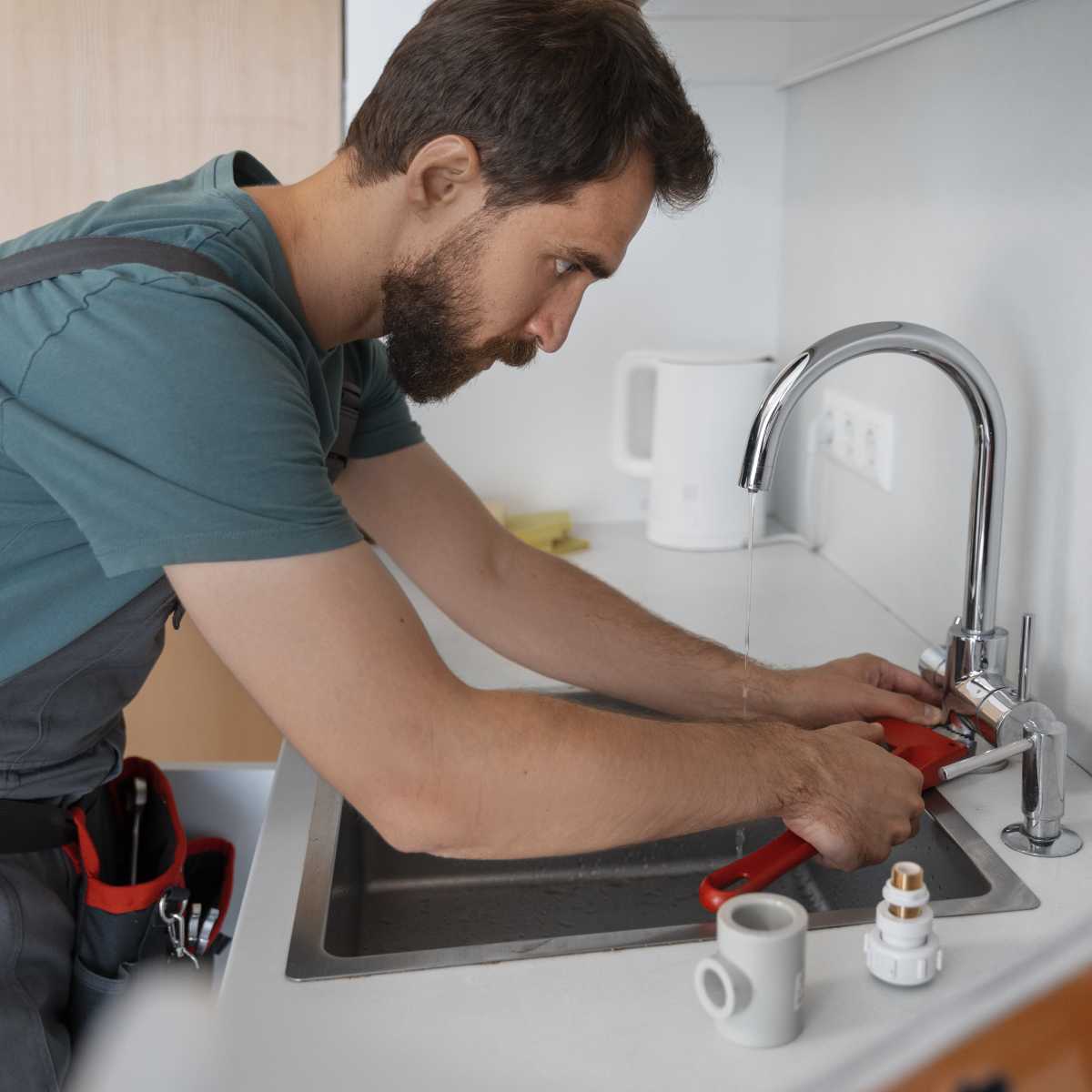
A qualified plumber can assess all visible (and many hidden) components of your plumbing, such as joints, valves, and supply lines.
By addressing minor flaws early, you reduce the likelihood of major failures that could result in extensive water damage and the need for costly restoration services.
Regular checks help avoid extensive repairs and maintain a healthy plumbing system.
Insulate Pipes in Vulnerable Areas
Unheated spaces in your home, like attics, basements, crawlspaces, and exterior walls, leave pipes exposed to colder air and temperature fluctuations.
Use foam pipe insulation, heat cable, or similar protective covers on pipes in these areas to prevent freezing and bursting during winter.
This is particularly critical in regions with harsh winters, but sudden cold snaps can pose risks nearly anywhere.
Pipe insulation is inexpensive and can save thousands of dollars in water damage repair costs.
Insulation slows heat loss, but pipes in particularly cold or exposed locations may also need an active heat source to prevent freezing.
One option is to use self-regulating cables for pipe heating, which automatically adjust their heat output as pipe temperatures change.
When correctly selected and installed alongside suitable insulation, these systems can help protect vulnerable pipework during prolonged cold weather.
Monitor and Regulate Water Pressure
Consistently high water pressure puts unnecessary strain on your plumbing system, increasing the risk of pipe leaks or bursts. Use a water pressure gauge to test your pressure at various faucets.
Ideally, household water pressure should remain between 40 and 60 psi. If your reading regularly exceeds 80 psi, install a pressure-reducing valve to protect your pipes and fixtures.
Keeping an eye on water pressure not only helps prevent leaks in the short term but can also prolong the life of your water heater, dishwasher, and other appliances connected to your plumbing system.
Visit the This Old House guide on installing a water pressure-reducing valve for more tips and recommended products.
Prevent Pipes from Freezing
During harsh winter conditions, freezing pipes are a leading cause of sudden bursts and expensive water damage.
To keep your water lines flowing safely, let faucets along vulnerable exterior walls drip occasionally during subzero weather.
Opening cabinet doors under sinks allows warm air to circulate around pipes, reducing the risk of freezing.
If your home will be vacant during a cold spell, consider shutting off your main water supply and draining your pipes.
Prevention is far less costly than repairing a burst pipe and cleaning up a flooded basement.
🤖 Looking For An Answer?
Ask AI to summarise this post to see if the article answers your questions:
Practice Proper Disposal Habits
Flushing grease, food scraps, coffee grounds, or harsh chemicals down your drains can create stubborn clogs that strain your plumbing system and may even result in ruptured pipes.
Always dispose of these substances in the trash, use drain strainers to catch solids, and clear out debris regularly.
Remind household members to avoid flushing wipes, dental floss, or anything other than toilet paper down toilets to prevent sudden and severe backups.
Manage Tree Roots Near Waterlines
Underground pipes are susceptible to invasion by tree roots seeking moisture. Plant trees and shrubs at least 10 to 15 feet away from any known waterlines or sewer lines.
Opt for species with less aggressive roots, such as dogwoods or Japanese maples, to further reduce the risk.
In older neighborhoods, annual video inspections of sewer lines are highly recommended to catch early signs of tree root intrusion before they damage your plumbing infrastructure.
Be Prepared for Emergencies
When a pipe bursts, quick action can make all the difference. Every member of the household should know the exact location of the main water shut-off valve and how to turn it off in an emergency.
Store the contact information of a reputable local plumber in an easily accessible spot, and keep essential plumbing tools, such as pipe wrenches and Teflon tape, on hand for temporary fixes.
Preparation transforms plumbing emergencies from major disasters into manageable events.
- Parents Are Prioritising Breathable, Sustainable Fabrics For Children's Seasonal Sleepwear
- Our Homemade Christmas Printables, Made With AI: What Worked, What Didn't, and What I'm Saving for Next Year
- At-Home vs. In-Lounge IV Therapy in the Hudson Valley: Which Makes More Sense?
- Can Passengers Pursue Compensation After a Car Accident?




Conclusion
Preventing water damage from broken pipes isn’t just about reacting when something goes wrong; it’s about building a strong defence through regular care and preparation.
From scheduling annual plumbing inspections to insulating vulnerable pipes and managing water pressure, each proactive step helps safeguard your home from costly and stressful emergencies.
By staying vigilant and prepared, you not only protect your property but also gain peace of mind knowing your plumbing system is ready for whatever challenges come its way.





Leave a Reply