

Family activities can do more than fill an afternoon. A shared walk, cooking project, game, or creative challenge gives children opportunities to move their bodies, practice new skills, and feel heard.
Families looking for ideas may explore San Antonio kids' activities, then use the same principles to create routines that work close to home.
The goal is not to schedule every open hour or turn family time into another obligation. It is to create small, repeatable experiences that everyone can participate in.
When activities feel manageable, children are more likely to look forward to them, and adults are more likely to maintain the routine.
Jump to:
- Why Family Activities Matter More Than A Busy Schedule
- What Makes An Activity Truly Enriching?
- Choose Activities That Match The Child
- Build Movement Into Everyday Plans
- Turn Learning Into A Hands-On Experience
- Mix Indoor And Outdoor Options
- Use Community Spaces Without Overspending
- Plan A Family Activity In Five Simple Steps
- Keep Activities Inclusive And Comfortable
- Balance Structure With Free Choice
- A Simple Family Activity Template
Why Family Activities Matter More Than A Busy Schedule
Children benefit from time that is both active and connected. A simple outing can encourage communication, cooperation, confidence, and problem-solving without requiring a formal lesson plan.
Parents and caregivers also learn more about a child's interests when they have space to talk, observe, and play together.
Shared experiences can be especially helpful during busy seasons. Even a 20-minute activity, such as taking a neighborhood photo walk or making a snack together, can create a pause in the day. Consistency matters more than complexity.
What Makes An Activity Truly Enriching?
A strong family activity usually includes at least two or three elements: movement, hands-on learning, creativity, cooperation, and choice. Children are often more engaged when they have an active role.
Instead of watching an adult complete a task, let them measure ingredients, choose a route, hold the map, take photos, or explain the rules.
Try the four-part activity test before committing to an idea:
- Will children move their bodies or use their hands?
- Will they discover, practice, or learn something new?
- Will family members talk, collaborate, or solve a small problem together?
- Can the activity be adjusted for different ages and abilities?
Choose Activities That Match The Child
One activity does not need to suit every age in exactly the same way. The key is to offer an entry point for each person.
- Young children: Try songs with motions, sensory bins, story walks, animal movement games, and short nature hunts.
- Elementary-age children: Introduce scavenger hunts, beginner cooking, crafts, simple science tests, and team games.
- Tweens: Offer photography walks, biking routes, maker projects, sports challenges, and chances to plan the outing.
- Teens: Include volunteering, outdoor fitness, cultural events, cooking projects, and leadership responsibilities.
Build Movement Into Everyday Plans
Movement doesn’t have to feel like a chore; instead, it can be woven into the fabric of your everyday routine!
Try parking farther away, turning errands into fun walking challenges, breaking into spontaneous dance parties, or designing a playful playground circuit.
Encouraging children and adolescents to get regular physical activity can be a blast!
Make it exciting: race to the next mailbox, see how many stairs you can climb together, or let one child take the lead in choosing the next direction during a stroll.
These small bursts of activity can transform a regular day into an energetic adventure, all without the added pressure of a structured workout.
Turn Learning Into A Hands-On Experience
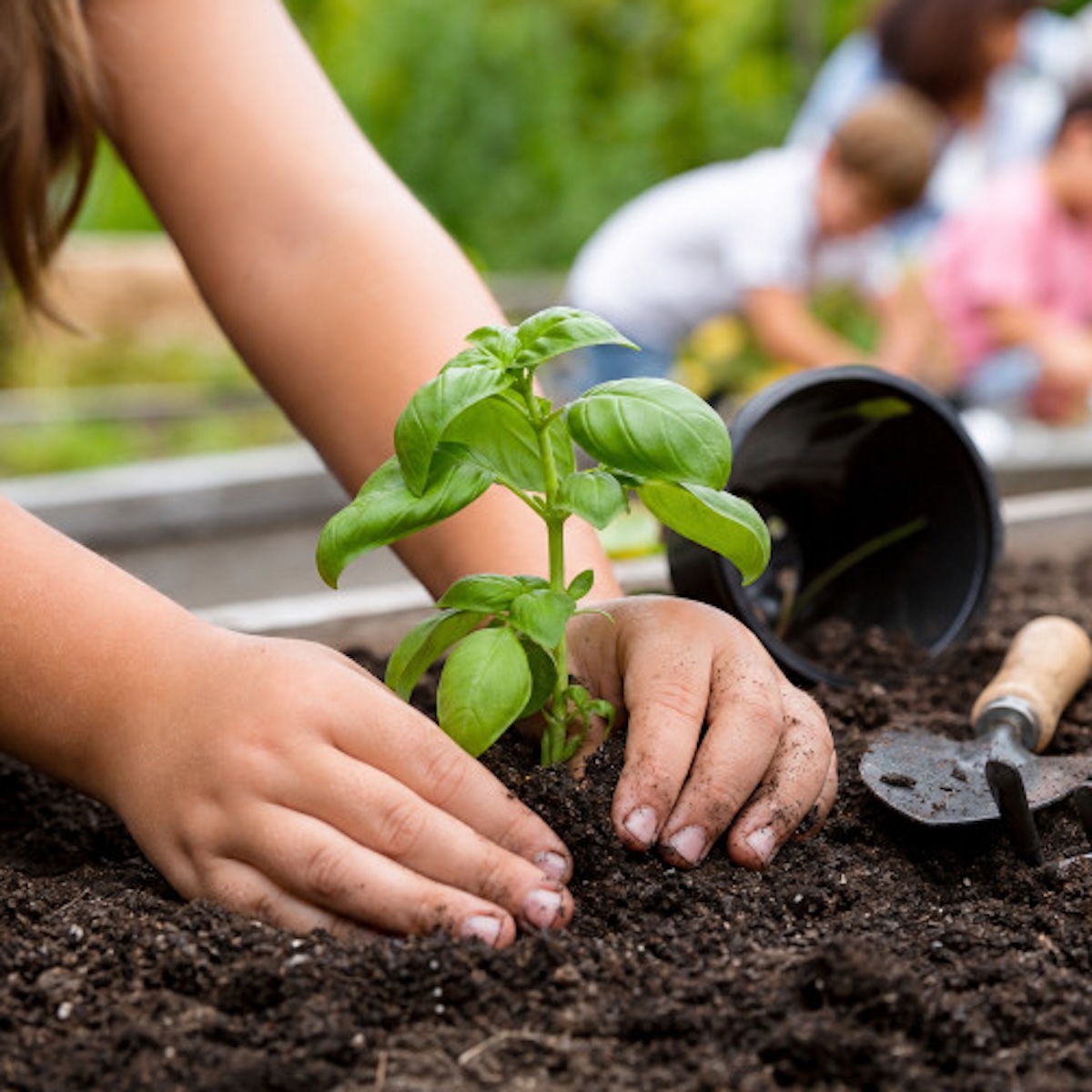
Practical learning gives children something concrete to remember. Grow herbs and track their progress, compare measurements while baking, build a cardboard bridge, test which objects float, draw birds seen in the yard, or keep a simple weather journal.
For example, a family Saturday outing can become a mini field study. Before leaving, ask children to predict what they might see.
During the outing, let them observe and record colors, sounds, plants, or animal tracks.
At home, ask each child to explain one surprising discovery. The lesson comes from curiosity, not from having all the answers.
Mix Indoor And Outdoor Options
A flexible family routine works in hot weather, rain, cold temperatures, and packed weeks.
Outdoor plans might include trail walks, community cleanups, nature photography, field games, or backyard obstacle courses.
Indoor alternatives can include cooking, music sessions, craft stations, movement games, and simple experiments.
Community spaces add variety without requiring a large budget. Libraries may offer storytimes or workshops, while public parks and visitor centers can provide a reason to explore somewhere new.
The National Park Service Kids in Parks resource is a helpful example of how outdoor spaces can combine discovery, history, and family-friendly activities.
Use Community Spaces Without Overspending
Check local library, parks and recreation, museum, school, and community center calendars for free or low-cost programs.
Look for family art days, science demonstrations, guided walks, volunteer opportunities, and seasonal celebrations.
A free event can become more memorable when children help prepare for it, choose one question to investigate, or share their favorite part afterward.
Plan A Family Activity In Five Simple Steps
- Set a small goal: Choose one skill, question, or experience for the day.
- Pick the setting: Use a home, park, library, trail, or community space.
- Keep supplies simple: Bring only what supports the activity.
- Give children a job: Let them lead, measure, draw, photograph, navigate, or explain.
- End with reflection: Ask what was fun, difficult, surprising, or worth doing again.
Keep Activities Inclusive And Comfortable
Plan for different energy levels, abilities, sensory needs, and interests.
Choose shorter routes, identify quiet spaces, bring water and snacks, allow rest breaks, use visual schedules, and offer multiple ways to participate.
A child who does not want to run may enjoy keeping score, taking pictures, or serving as the map reader.
Balance Structure With Free Choice
Start with a clear idea, but leave room for children to shape the experience. A planned scavenger hunt may turn into a long conversation about bugs.
A recipe may inspire a new flavor combination. That flexibility is not a failure of the plan. It is often where creativity and connection grow.
A Simple Family Activity Template
- Activity: What will the family do?
- Purpose: What will children practice or discover?
- Movement: How will everyone stay active?
- Materials: What is actually needed?
- Choice: Where can children make decisions?
- Reflection: What will everyone discuss afterward?
- Parents Are Prioritising Breathable, Sustainable Fabrics For Children's Seasonal Sleepwear
- Our Homemade Christmas Printables, Made With AI: What Worked, What Didn't, and What I'm Saving for Next Year
- At-Home vs. In-Lounge IV Therapy in the Hudson Valley: Which Makes More Sense?
- Can Passengers Pursue Compensation After a Car Accident?









Leave a Reply