

Creating a wellness space at home doesn't require a dedicated spa wing or an extensive renovation.
The most successful spaces are often the ones that blend seamlessly into everyday life, making it easy to relax, recharge, and establish healthy routines throughout the year.
Rather than chasing luxury for its own sake, a thoughtfully designed wellness area focuses on comfort, functionality, and consistency.
Whether it's a quiet corner for reading, a calming bathroom, a home sauna, or simply a space to disconnect from busy schedules, the goal is to create an environment that people genuinely want to use.
When every element supports relaxation instead of becoming another household project to maintain, the space naturally becomes part of everyday living.
Jump to:
Prioritize Comfort Over Decoration
Many home wellness spaces look beautiful in photographs but rarely get used because they prioritize appearance over comfort.
Choosing furnishings and accessories that encourage people to linger makes a much bigger difference than filling the room with decorative items that serve little practical purpose.
Using terry cloth robes is one simple way to bring everyday comfort into the space. Their absorbent cotton construction makes them ideal after a shower, bath, or spa session while providing the soft, hotel-inspired experience many people associate with relaxation.
When everyday essentials feel comfortable to use, wellness routines become something to look forward to instead of another item on a checklist.
Include Features That Encourage Regular Use
A wellness room should fit naturally into everyday routines rather than being reserved for special occasions.
Comfortable seating, soft lighting, convenient storage, and a clutter-free layout make the space inviting throughout the year.
The easier it is to step into the room and unwind, the more likely it is to become part of daily life.
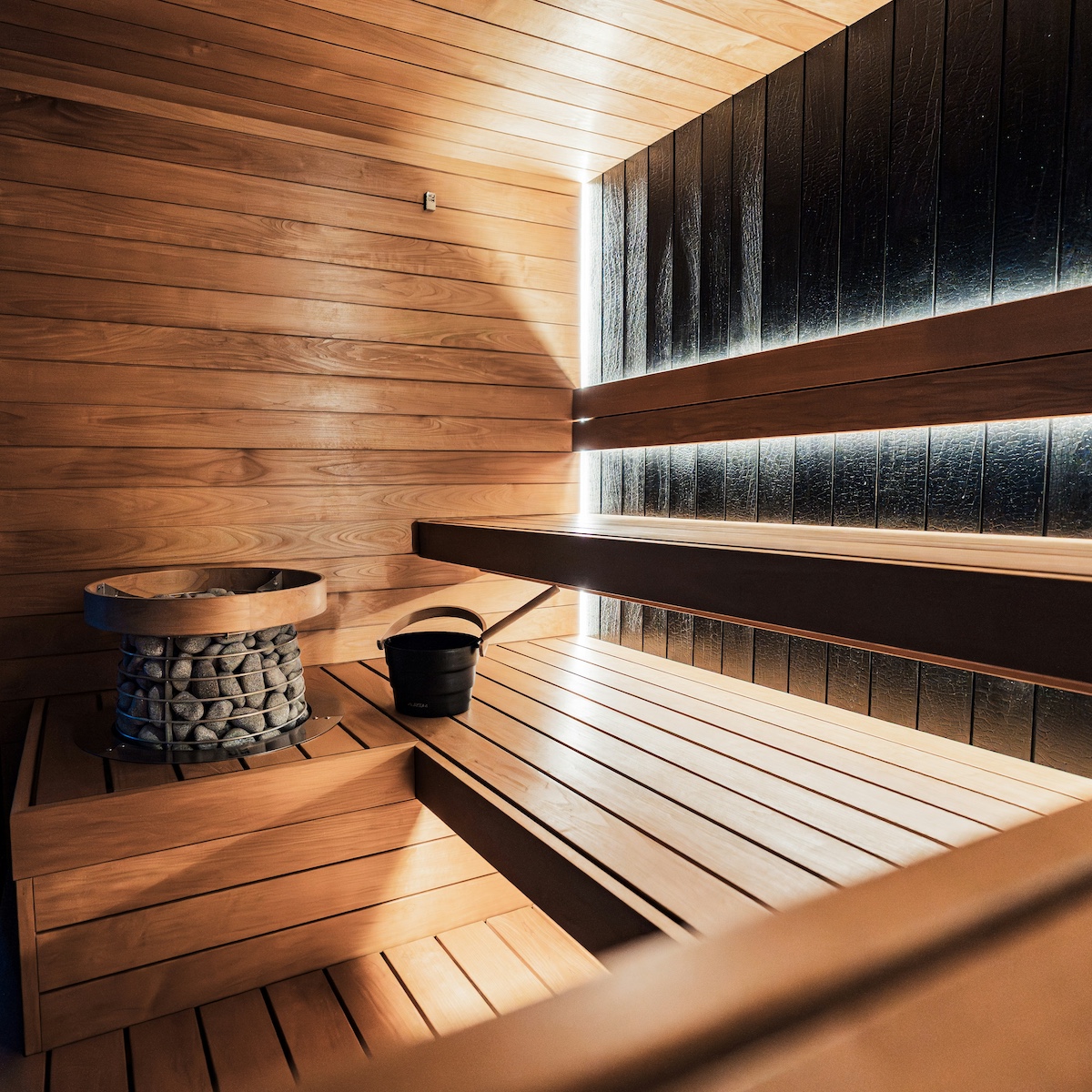
For homeowners interested in expanding their wellness environment, https://premiumsaunas.com/ showcases traditional and infrared sauna options designed for residential use, allowing people to incorporate a dedicated relaxation feature into their homes.
Planning the room around how it will actually be used helps ensure every addition supports long-term enjoyment rather than becoming an underused luxury.
Create an Environment That Helps You Slow Down
Visual clutter can quickly undermine the calming effect of a wellness space. Keeping decorations intentional and limiting unnecessary items allows the room to feel more open and relaxing.
Neutral colors, natural materials, and soft textures often create an atmosphere that remains appealing throughout every season without requiring frequent redesigns.
Lighting also deserves careful consideration. Layering overhead fixtures with table lamps or dimmable lighting allows the room to adapt to different activities, whether someone is stretching in the morning, reading in the afternoon, or winding down before bed. Small adjustments in lighting often have a greater impact than expensive decorative upgrades.
Make Wellness Part of Your Daily Routine
The most effective wellness spaces support habits that can be maintained consistently.
Spending ten quiet minutes reading, practicing gentle stretching, enjoying a warm shower, or simply sitting without digital distractions often provides greater long-term value than elaborate routines that become difficult to sustain.
Keeping frequently used items within easy reach also reduces barriers to using the space.
Fresh towels, comfortable seating, water, blankets, and personal care products should all be organized so relaxation feels effortless rather than requiring preparation each time.
Design for Every Season
A wellness space should remain comfortable regardless of the weather outside.
During colder months, soft textiles, warm lighting, and heated features help create a cozy atmosphere.
In warmer seasons, breathable fabrics, improved ventilation, and lighter accessories keep the room feeling fresh without sacrificing comfort.
- Parents Are Prioritising Breathable, Sustainable Fabrics For Children's Seasonal Sleepwear
- Our Homemade Christmas Printables, Made With AI: What Worked, What Didn't, and What I'm Saving for Next Year
- At-Home vs. In-Lounge IV Therapy in the Hudson Valley: Which Makes More Sense?
- Can Passengers Pursue Compensation After a Car Accident?




Designing with flexibility in mind also prevents the space from becoming tied to a single season or activity.
A room that works equally well for quiet mornings, post-work relaxation, weekend recovery, or family downtime delivers far greater value than one designed around occasional use.
Over time, these everyday moments become the foundation of a sustainable wellness routine that supports both physical comfort and mental well-being throughout the entire year.





Leave a Reply