

Whether it’s a holiday home, a property between tenants, or a house left empty during a long trip, vacant homes don’t simply pause while they’re unoccupied.
The systems inside them keep reacting to their environment, to temperature, humidity, dust, and time, and not always in ways that are easy to spot when you return.
Understanding what’s actually happening behind the walls and under the floors while a home sits empty can save you from the kind of surprises that turn an exciting homecoming into an expensive one.
Jump to:
What Happens to Heating and Cooling Systems
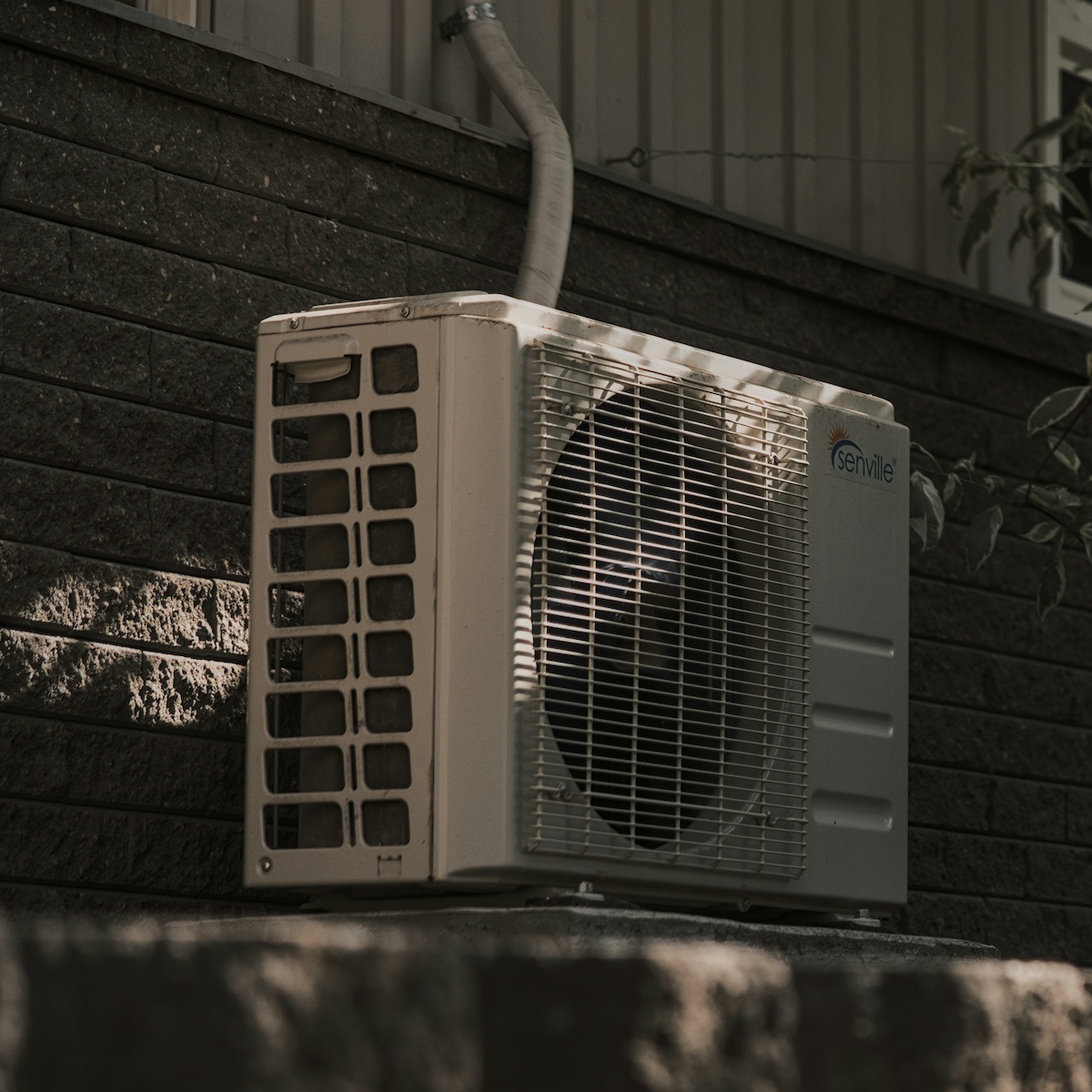
HVAC systems are among the most affected by extended inactivity. In a desert region like the Coachella Valley, HVAC services in Palm Springs address a predictable pattern of issues when homeowners return to properties that have been sitting unoccupied through the summer: systems that won’t turn on, filters so clogged they restrict airflow immediately, and refrigerant lines that show signs of stress from months of heat exposure without the cycling that keeps them in condition.
When an air conditioning system sits unused for several months, a few things happen.
Refrigerant lines and components designed to be kept in motion experience static stress.
Lubricants in motors and compressors can migrate away from the surfaces they protect.
Dust and debris accumulate in filters, coils, and ductwork. In dry, hot climates, seals and gaskets face temperature extremes without the slight protection afforded by normal operation.
What HVAC systems commonly need after extended vacancy:
- Filter replacement - even without running, filters collect dust from ambient air movement; in dusty desert climates, this can happen faster than expected and a clogged filter on startup strains the system immediately
- Coil cleaning - both evaporator and condenser coils accumulate debris during inactivity; dirty coils reduce efficiency and can cause the system to work harder than it should in the first weeks back online
- Refrigerant level check - slow leaks that wouldn’t have been noticeable during regular use can result in low refrigerant levels after extended inactivity
- Compressor and motor inspection - the first startup after a long break is when any underlying mechanical issues tend to surface; having a technician check the system before you need it to run continuously is far better than discovering a problem on the hottest day of the year
Plumbing and Water Systems
Water sitting still in pipes is a different thing from water in motion. When a home is unoccupied, the water in supply lines, fixtures, traps, and water heaters stagnates.
In hot climates, water heater temperatures can rise to levels that create legionella risk if the tank isn’t maintained at appropriate temperatures during vacancy.
In cold climates, the risk is that pipes freeze and burst when heating is reduced.
Traps in drains and toilets rely on water to seal them. When a home is vacant for months without anyone running water, those traps can dry out, allowing sewer gases to enter the living space.
This is one of the most common and least expected problems in long-vacant homes, and it’s easily prevented by arranging for someone to run water through the fixtures periodically or by adding a trap-primer solution before leaving.
Hot water tanks that sit without use accumulate sediment at a faster effective rate because the water isn’t being replaced and cycled.
The sediment that settles at the bottom of the tank reduces efficiency and can accelerate the corrosion that eventually requires tank replacement.
Electrical Systems and Appliances
Source: Nano Banana 2
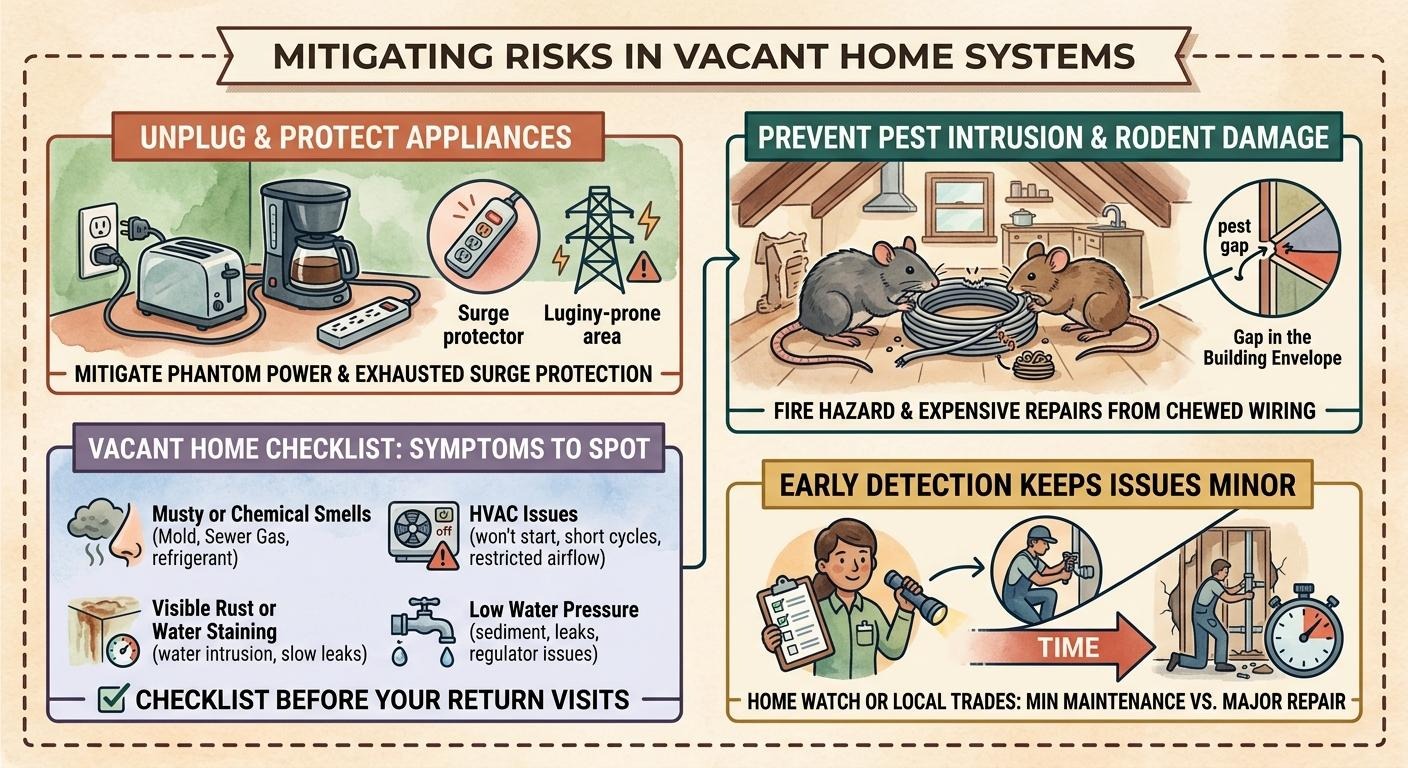
Appliances left plugged in continue drawing small amounts of power and remain exposed to whatever power quality issues exist on the local grid. Surge protection devices have a finite number of joules they can absorb before they’re no longer effective.
- Parents Are Prioritising Breathable, Sustainable Fabrics For Children's Seasonal Sleepwear
- Our Homemade Christmas Printables, Made With AI: What Worked, What Didn't, and What I'm Saving for Next Year
- At-Home vs. In-Lounge IV Therapy in the Hudson Valley: Which Makes More Sense?
- Can Passengers Pursue Compensation After a Car Accident?









Leave a Reply