

Not long ago, spare rooms were expected to serve one purpose: a guest bedroom, a home office, or somewhere to store everything that didn't have a place elsewhere.
Today, that thinking is changing. More homeowners are carving out space for hobbies, creativity and personal interests, even if it's only a small corner of a room.
From pottery and painting to sewing, gaming and music, hobbies are no longer being squeezed into the dining room table for a few hours before everything is packed away again.
Instead, dedicated creative spaces are becoming a priority, reflecting a growing desire to spend less time scrolling and more time making.
Jump to:
Why Hobby Rooms Are Returning
The rise of remote working taught many households that rooms don't have to stick to traditional roles. At the same time, hobbies have become an important way to relax, switch off and spend time away from screens.
Rather than seeing creative pursuits as an occasional luxury, more people are designing their homes around the activities they genuinely enjoy. It's a shift towards interiors that support everyday life, not just look good in photographs.
Even compact homes are embracing this mindset, proving that a hobby room doesn't need to be a large, dedicated studio. A thoughtfully designed nook can be just as inspiring.
It's About More Than Productivity
For years, spare rooms were often transformed into home offices. While practical, they reinforced the idea that every space should have a productive purpose.
The hobby room flips that idea on its head. Instead of focusing on work, it's designed around enjoyment, learning and creativity.
Whether it's building model railways, practising an instrument or experimenting with watercolours, these spaces encourage slowing down and doing something simply because it's enjoyable. Sometimes the best way to recharge is to keep the laptop firmly shut.
A Space That Reflects Personality
One of the biggest interior trends in recent years has been moving away from perfectly styled homes towards spaces that feel personal and lived in.
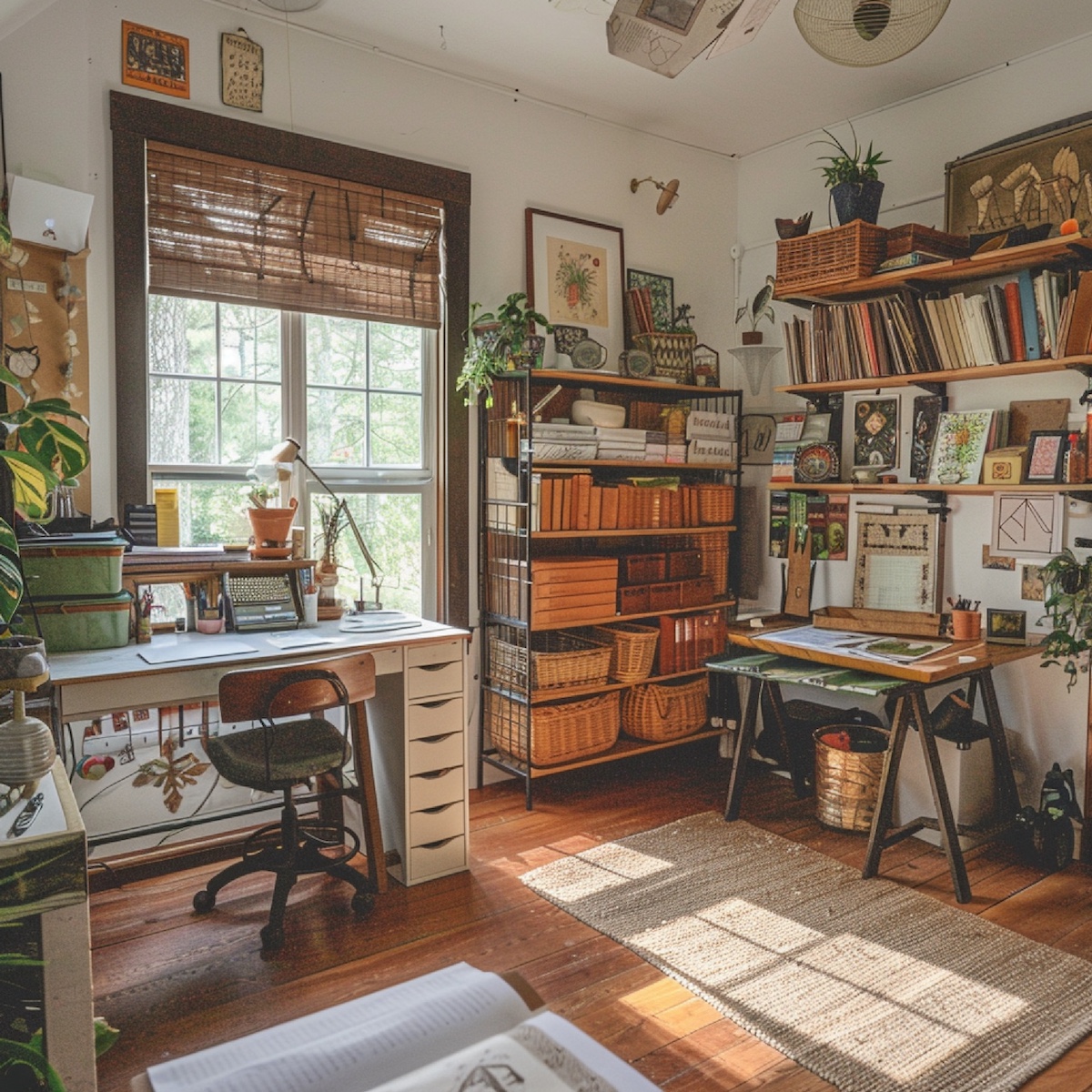
A hobby room naturally reflects this approach. Shelves filled with paintbrushes, stacks of fabric, collections of books or neatly organised tools tell a story about the people who live there.
Unlike purely decorative accessories, hobby supplies become part of the room's character. They add colour, texture and personality while celebrating interests that make a house feel individual.
Designing a Hobby Room That Works
Every hobby has different requirements, but a few design principles make almost any creative space more enjoyable.
Think about:
- Plenty of natural light wherever possible.
- Comfortable seating for longer sessions.
- Open shelving that keeps supplies visible and accessible.
- Closed storage for items that create visual clutter.
- Good task lighting for evenings.
- A work surface that's large enough for the hobby itself.
The aim isn't to create a showroom. A room that's allowed to be used, experimented in and occasionally a little messy often feels far more inviting.
Don't Forget What's Underfoot
Creative hobbies can be surprisingly demanding on flooring. Paint splashes, dropped tools, rolling office chairs and constant foot traffic all put surfaces through their paces.
Nulife Chairs, a company specializing in professionally refurbished ergonomic office chairs, recommends using clean, smooth-rolling casters to help prevent scratches and unnecessary floor wear.
Parquet flooring is a practical choice for craft rooms thanks to its waterproof, scratch-resistant surface and simple maintenance. Engineered wood flooring offers warmth and character for reading rooms, music spaces or sewing studios, while adding a timeless feel that works with almost any decorating style.
Adding a comfortable rug beneath a desk or crafting table can also soften the space without sacrificing practicality.
You Don't Need a Spare Room
One of the biggest misconceptions is that a hobby room requires an unused bedroom.
In reality, creativity can fit almost anywhere:
- An alcove with a desk and shelving.
- Half of a guest bedroom.
- A converted loft.
- A corner of an open-plan living area.
- A garden room or insulated shed.
- Even an underused landing with clever storage.
The key is giving hobbies a permanent home, rather than packing everything away after every session. When supplies are already set up, it's much easier to spend 20 minutes sketching or practising than if everything needs unpacking first.
The New Definition of Luxury
Luxury at home is no longer defined by formal dining rooms or unused reception spaces. Increasingly, it's about having room for the things that improve everyday life.
- Parents Are Prioritising Breathable, Sustainable Fabrics For Children's Seasonal Sleepwear
- Our Homemade Christmas Printables, Made With AI: What Worked, What Didn't, and What I'm Saving for Next Year
- At-Home vs. In-Lounge IV Therapy in the Hudson Valley: Which Makes More Sense?
- Can Passengers Pursue Compensation After a Car Accident?




For some, that's a reading retreat. For others, it's a room filled with musical instruments, knitting supplies or photography equipment.
These spaces may never appear in glossy property brochures, but they often become the most-loved rooms in the house because they're designed around real interests rather than expectations.





Leave a Reply