

How Historical Fashion Is Becoming More Inclusive Than Ever shows how clothing traditions are being reimagined for today’s diverse world.
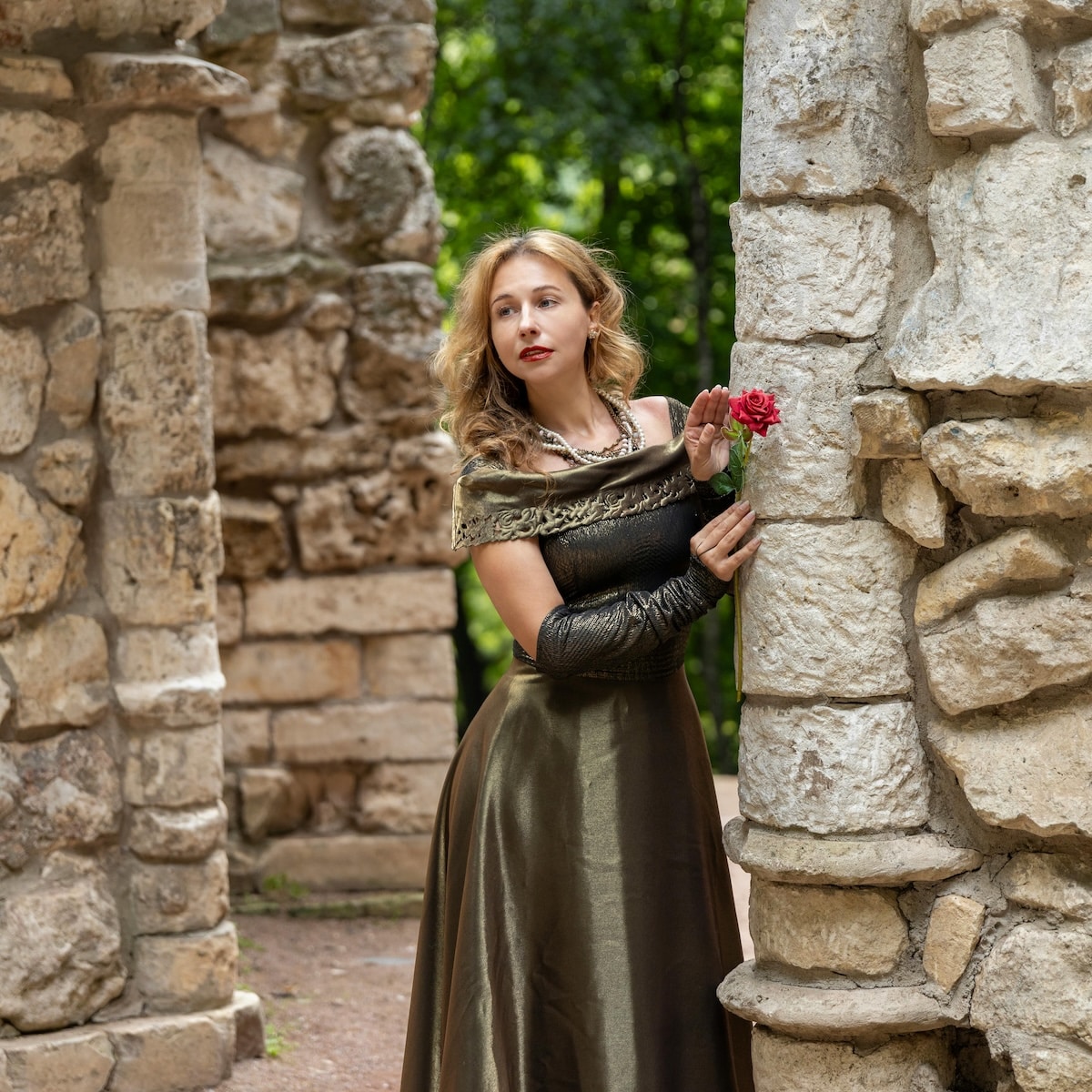
Many designers now explore inclusive historical fashion that allows people of all backgrounds to enjoy wearing period-inspired styles.
This shift honours the beauty of the past while ensuring garments feel accessible and respectful to modern audiences.
Adaptations include a wider range of sizes, fabrics and cultural influences that make pieces more wearable.
Historical attire is no longer limited to a narrow audience but invites everyone to participate in the experience.
Communities celebrating reenactments and themed events benefit from this inclusivity by welcoming broader representation.
By embracing diverse fashion movements, the industry is creating opportunities for more voices and stories to be expressed.
Inclusivity in fashion not only reinterprets history but also celebrates identity and belonging for all.
In the past, historical fashion was primarily the domain of the elite, often limited to specific body shapes and sizes.
However, as more brands embrace the ethos of inclusivity, we see a growing movement towards offering styles that cater to varied body types.
A prime example of this shift is the emergence of timeless dresses with inclusive sizing, which you can find at places that prioritise both historical aesthetics and accessibility.
Brands like Holy Clothing are leading the charge, blending heritage designs with modern sensibility, affirming that fashion should be a joyful experience for everyone.
Jump to:
The Shift Towards Inclusivity in Fashion
Historically, the fashion industry has often prioritised a narrow set of ideals regarding body shape and size.
This has created barriers for many people, making it challenging for them to express themselves through clothing.
Thankfully, the landscape of fashion is changing. The push for inclusivity is not just a fleeting trend; it's a fundamental shift in how we view style, heritage, and personal expression.
Understanding Diverse Needs
One vital aspect of inclusivity is understanding the diverse needs of different individuals.
Many designers and brands are becoming aware of the importance of size representation in their offerings.
By expanding size ranges and adapting traditional patterns, they are creating options for those who might have felt excluded in the past.
Moreover, the conversation around body positivity has gained traction, encouraging individuals to embrace their unique shapes and sizes.
This cultural shift is crucial for fostering a sense of belonging, which is far too often absent in the world of fashion.
The Role of Historical Fashion
Authenticity Meets Accessibility
Historical fashion presents a unique challenge and opportunity. Traditional garments often involve intricate detailing and complex designs that can be challenging to adapt for various body types. However, the very essence of historical fashion—storytelling—is invigorated when more people can feel connected to the garments they wear.
Brands that specialise in historical clothing are beginning to incorporate flexible sizing, adjustable features, and diverse design elements.
This makes it possible for individuals of all shapes to find garments that resonate with them personally.
Familiarising ourselves with these innovations can empower wearers and showcase the beauty of diversity.
Modern Revivals with a Twist
Several brands have recognised the potential to merge historical aesthetics with contemporary trends.
This allows them to provide options that not only suit various sizes but also incorporate modern design philosophies.
Such innovations make historical fashion feel approachable and relevant today, rather than a relic of the past.
Think of a Renaissance dress, for instance. Traditionally, these garments adhered to a strict silhouette that might not fit everyone.
Yet, when brands reimagine these dresses with inclusive sizing, they open up a world where anyone can don a piece that reflects a timeline rich with artistry, culture, and creativity.
🤖 Looking For An Answer?
Ask AI to summarise this post to see if the article answers your questions:
Community and Collaboration
Building Bridges Through Fashion
Inclusion isn’t just about size; it's also about collaboration and community.
Many designers are now looking to engage with their audiences to gain insights and feedback.
By involving a broader spectrum of voices in the design process, brands can better reflect the dynamic tastes of their customers.
Social media platforms have also played a critical role in this shift. They've created spaces for people to share their style and for brands to discover emerging trends.
This has led to a more tactile and engaging relationship between consumers and designers, allowing for dialogues that challenge traditional norms.
Celebrating Individuality
As we explore the facets of inclusive historical fashion, one thing becomes abundantly clear: celebration of individuality is at the forefront.
When diverse body types can wear historical attire, they aren’t just wearing a dress; they are embodying stories of their own, linked to ages past.
Consider events like Renaissance fairs or themed parties.
The traditional view may have excluded those who didn't fit the narrow definitions of historical style.
Now, with sizes across the board being embraced, more people can take part in these celebrations, often leading to richer, more vibrant experiences.
- Parents Are Prioritising Breathable, Sustainable Fabrics For Children's Seasonal Sleepwear
- Our Homemade Christmas Printables, Made With AI: What Worked, What Didn't, and What I'm Saving for Next Year
- At-Home vs. In-Lounge IV Therapy in the Hudson Valley: Which Makes More Sense?
- Can Passengers Pursue Compensation After a Car Accident?




The Future of Historical Fashion
Continuous Evolution
The future of historical fashion rests upon the principle of evolution. As the industry progresses, we can anticipate further innovation that marries inclusivity with authenticity.
It would not be surprising to see even more designs that inspire wearers to delve into their heritage while remaining true to modern sensibilities.
Environmental Awareness
Inclusivity goes hand in hand with sustainability. As brands grow more conscientious about their environmental impact, many are integrating eco-friendly practices into their production.
This conscientious approach not only promotes inclusivity but also creates timeless pieces that can be cherished and cherished again, encouraging a deeper appreciation for historical fashion.
In conclusion, the landscape of historical fashion is evolving, driven by the demand for inclusivity that embraces all body shapes, sizes, and identities.
The journey towards accommodating diverse needs may be complex, but as more brands step forward, the world of historical attire becomes a treasure trove filled with stories waiting to be worn.
As we suit up in garments that echo tales of yesteryear, let’s remember that fashion is about connection, exploration, and, most importantly, inclusion.





Leave a Reply