

Searching for high-quality loose-leaf tea online can be quite overwhelming. There is a wide range of quality levels, even though many initially appear similar.
Buyers savor the taste, as they already know how to differentiate better teas. Using this guide highlights the key aspects that indicate the quality of loose-leaf tea purchased from an e-commerce site.
Jump to:
Examining the Appearance
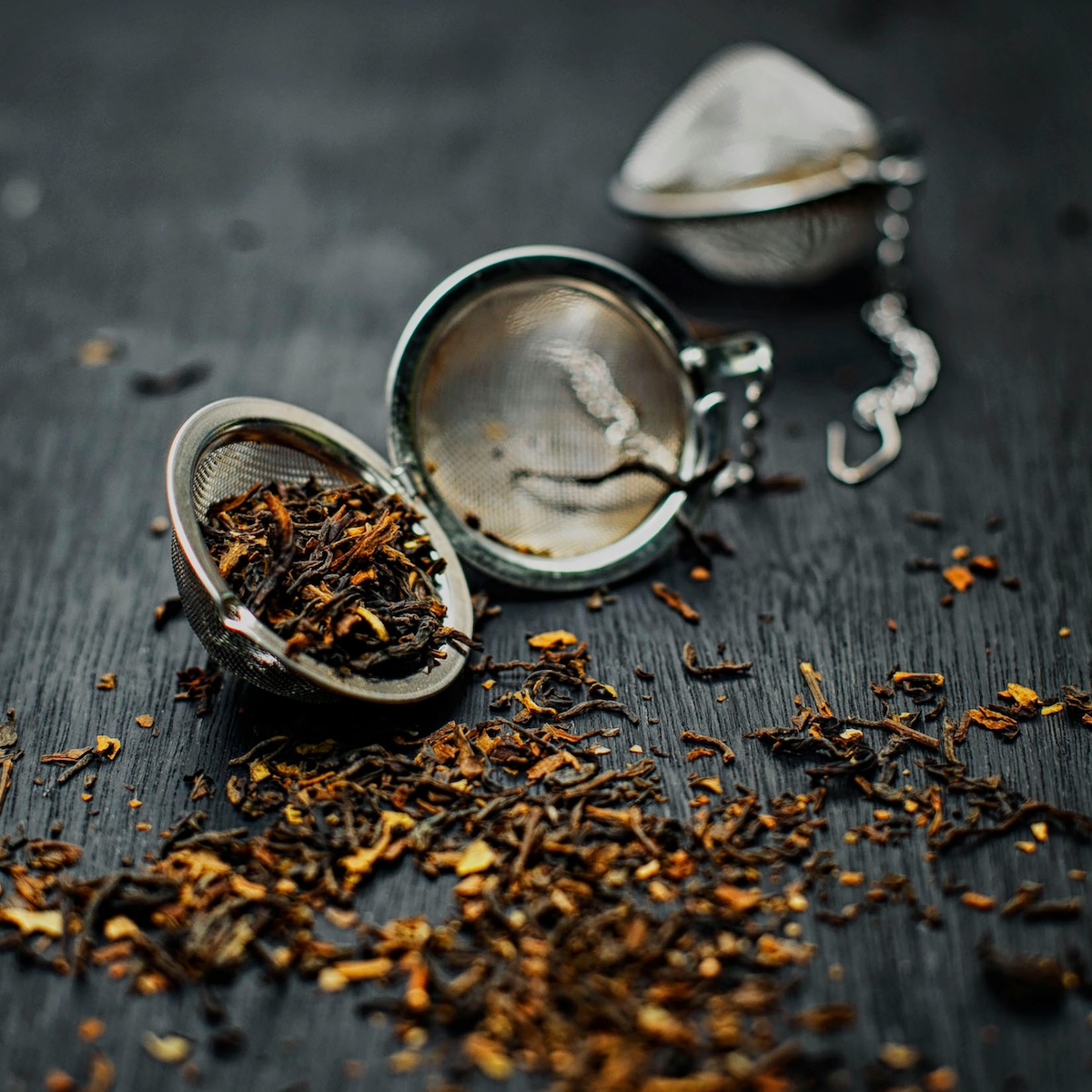
The look of loose leaf tea reveals much about its class. Whole, unbroken leaves usually indicate careful harvesting and handling. Leaves should appear vibrant, with a consistent size and shape. Dull, dusty, or broken pieces often signal lower grades.
High-quality varieties may show slight twists or curls, depending on the type, but will lack excessive stems or large fragments. The overall color should match the style, green teas often display a fresh, grassy hue, while black teas show deep, even tones.
Assessing Aroma Before Purchase
Scent is also important in determining the quality of a tea. Numerous trusted sellers elaborate on the scent within their descriptions. Loose leaf tea has a fresh, crisp aroma.
For instance, you can catch grassy or floral undertones with green teas and malty or fruity undertones with black teas. Fading or stale aromas are a sign of age or bad storage conditions.
You can read customer reviews about fragrance, which can also give some great ideas before purchasing. Because of this, many people shop for loose leaf tea online, since detailed descriptions and reviews help assess aroma and freshness before buying.
Understanding Origin and Harvest Time
The region where tea is grown influences its taste and overall excellence. High-altitude gardens often produce leaves with richer flavors and complex aromas. Reliable retailers share details about each tea’s origin and harvest period.
Early spring harvests, often called “first flush,” generally yield the most delicate and prized leaves. Learning about the source and timing helps buyers select teas that meet their expectations for freshness and flavor.
Reviewing Processing Methods
Processing not only influences flavor but also quality. Another aspect to consider when assessing the care in the production process is the drying, rolling, or oxidation of the leaves.
Such teas are more expensive, as they require attention at each stage, especially when they are artisanal or hand-processed.
Manufactured types might be more generic than the hand-crafted batches. However, if a seller extols the virtues of traditional or meticulous methods, it typically signifies a superior quality product.
Checking for Transparency and Certifications
Reliable online outlets give information regarding their teas. With transparency in sourcing, production, and storage, they are confident in what they offer. Certifications likewise show higher standards, for example, natural or fair trade labels.
These labels guarantee that the leaves were grown and harvested with extra precautions and care, sometimes offering additional help to the environment and workers as well. These elements, together with a visible product description, outline the certification logos, you help your customers decide.
Evaluating Customer Feedback
Reviews from buyers are an important insight into product quality. Regular mention of taste, smell, and freshness reflects a reliable supply chain.
Even negative feedback, such as complaints about stale taste or poor packaging, can raise serious concerns.
Testimonial diversity allows shoppers to assess where satisfaction lies and to note what expected value may prove disappointing.
Ensure that the feedback discusses both the drinking experience and the company's service experience.
Comparing Packaging and Storage
Proper packing ensures the tea stays fresh during shipping and storage. Depending on the quality of the leaves you receive, they often come in sealed, opaque containers that are moisture- and light-free.
Your product will become tasteless and odorless in a relatively short time frame if the packaging is subpar.
Sellers who advertise careful packaging and include (if available) resealable options show that they understand how to provide for the tea.
Analyzing Price and Portion Size
While price can never indicate quality, ridiculously low-priced tea may well indicate that the tea was bad or that the cultivation or processing involved shortcuts. Fairly priced, smaller portions are often high quality.
ample sizes are easiest for customers to buy first, so they can test multiples to see which fits best before committing to larger quantities.
For this reason, it allows tea lovers to discover those that they love while avoiding what they find disappointing.
Conclusion
It is relatively easy to identify high-quality loose-leaf tea online by spotting leaf appearance, aroma, origins, and processing.
- Parents Are Prioritising Breathable, Sustainable Fabrics For Children's Seasonal Sleepwear
- Our Homemade Christmas Printables, Made With AI: What Worked, What Didn't, and What I'm Saving for Next Year
- At-Home vs. In-Lounge IV Therapy in the Hudson Valley: Which Makes More Sense?
- Can Passengers Pursue Compensation After a Car Accident?




High ratings, openness, and sealed packaging all further assert a product’s worth.
With this level of attention, any tea drinker can order with full confidence and get a fresh, flavorful cup each time.





Leave a Reply