

A lot of us grew up with music lessons that felt exactly like more homework. There were scales, practice timers, corrections, and of course, plenty of reminders from Mom or Dad!
For many kids, the pressure worked against the goal. Today, more parents want to spark curiosity first and let skill and discipline grow from genuine interest.
Jump to:
Why the Old-School Approach Often Backfired
Many adults can remember sitting through piano lessons they did not want, then hearing the same instruction every afternoon: go practice.
That approach could build technique, but it did not always build much affection for music. Plenty of kids came to associate music with pressure, repetition, and the sense that they were doing something for an adult rather than because they enjoyed it. As soon as they were allowed to stop, many did.
Structure still has a place, of course. Kids need guidance to improve, and practice becomes increasingly important as their skills grow.
The difference is that practice tends to land very differently when a child already wants to make a song sound better, play along with a favorite tune, or figure out how an instrument works.
For parents who want to encourage that kind of curiosity, playful instruments and music-based activities can be a great place to begin.
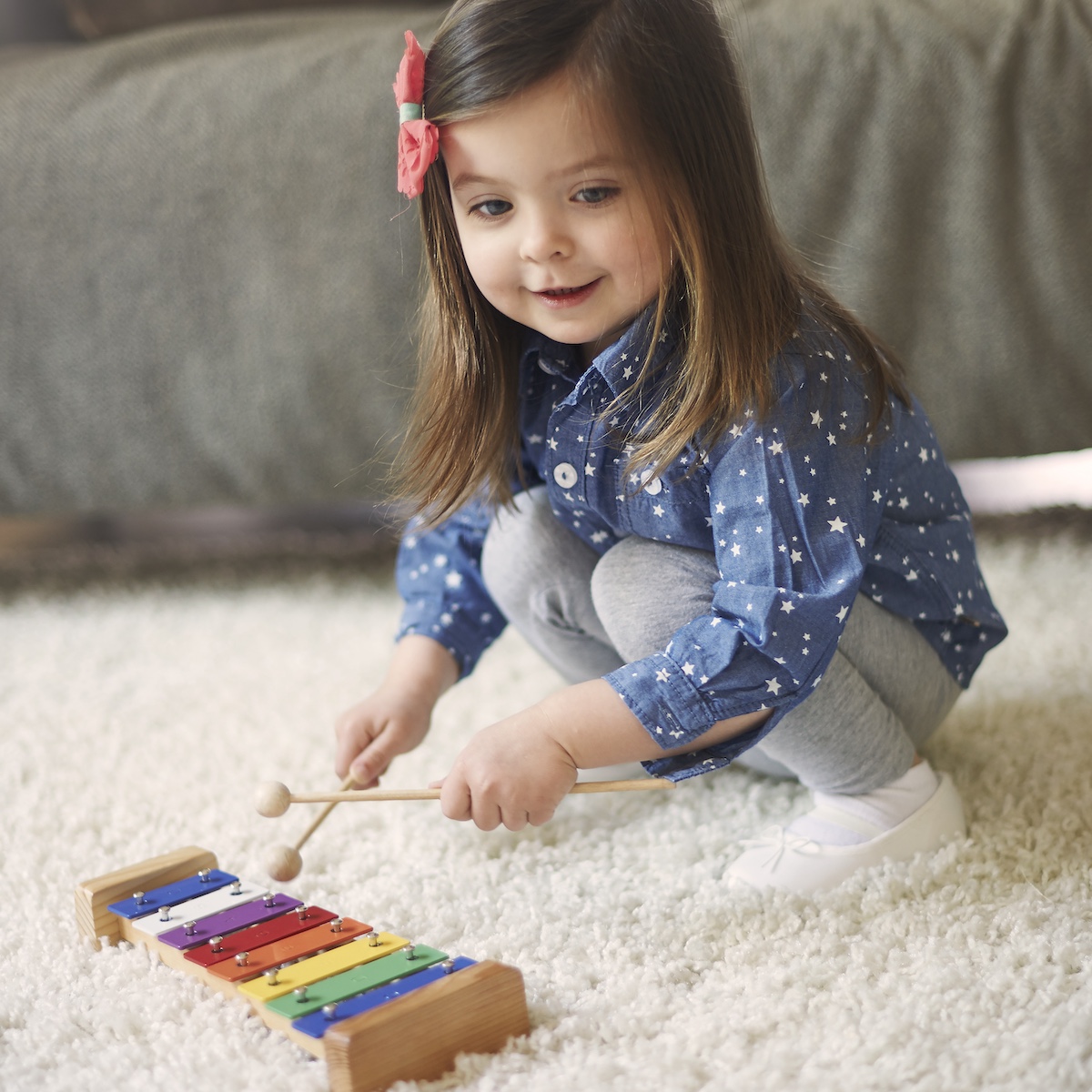
Start With Instruments That Feel Like Toys
A full-size instrument can be intimidating to a young child, especially if the first experience comes with rules about posture, fingering, and doing everything correctly.
Smaller, colorful instruments give kids room to explore without feeling as though they have already entered a lesson.
Try a Loog Guitar
Loog guitars are designed with children in mind. Their three-string setup makes them easier to hold and less overwhelming than a traditional six-string guitar.
Kids can begin making recognizable music fairly quickly, which gives them an early sense of accomplishment.
Along the way, they can start picking up real musical ideas such as chords, rhythm, and melody without having to master a large instrument first.
For a child who keeps reaching for the guitar, that early play can grow naturally into lessons or more structured practice later on.
Let Them Be Silly With an Otamatone
The Otamatone is unusual, goofy, and almost impossible for a kid to ignore.
It produces sound through a touch-sensitive stem and a rubbery mouth that changes the tone. The result can be funny, strange, or surprisingly musical, which is a big part of why children tend to enjoy experimenting with it.
While they are sliding between pitches and trying to copy little melodies, they are also becoming more aware of pitch, timing, and how sound changes. Nobody has to announce that a lesson is happening.
Put a Schoenhut Toy Piano in the Playroom
A Schoenhut toy piano can be a gentle way to introduce younger children to keyboards.
Kids can sit down, press keys, copy simple tunes, and notice how the notes move from low to high. They can experiment for a few minutes, wander away, and come back later without anyone turning it into a formal practice session.
If a child starts returning to the piano on their own and wants to learn more, that interest can eventually lead into a larger keyboard or more structured piano study.
Use Games to Teach Music Without Calling It Practice
Children learn an enormous amount through play, and music works beautifully in that setting. A few simple games can build listening skills, rhythm, memory, and confidence without making the afternoon feel like another lesson.
Play Copy-the-Rhythm
Clap a short rhythm and ask your child to copy it back. Start with something simple, then make the patterns a little longer as they catch on. You can add snaps, stomps, or taps on the table, or let your child take over and make a pattern for you to copy.
That back-and-forth keeps the game playful while helping children pay closer attention to timing and patterns in sound.
Guess the Instrument
Play short clips of different instruments and ask your child to guess what they hear.
You can start with familiar sounds such as drums, trumpet, piano, or flute. For younger children, it may help to show them pictures first. Older kids might enjoy listening to instruments they have never heard before.
This kind of listening helps children notice differences in tone and texture, and it may also reveal which sounds they are naturally drawn to.
A child who keeps choosing the violin, for example, may eventually become curious about violin lessons.
Make a Family Band
You do not need real instruments to make music together. Wooden spoons, pots, shakers, bells, toy keyboards, and cardboard boxes can all become part of a family band.
Put on a favorite song and have everyone play along, with one person keeping the beat while someone else sings or shakes a homemade percussion instrument.
There is no need to turn every activity into a learning objective. Sometimes the value comes from showing children that making music can simply be part of family life.
Let Kids Choose the Music
Adults naturally introduce children to the music they know and love, whether that means classical pieces, children’s songs, old favorites from high school, or whatever happens to be playing in the car.
It also helps to give kids some say in what they explore.
Ask What They Want to Hear
If your child loves movie soundtracks, start there. If they are obsessed with a pop song, let them play it again. If a video game theme catches their attention, ask what they like about it.
Music they already care about can lead naturally into conversations about rhythm, melody, instruments, and how songs are put together.
Children are often much more willing to learn when the starting point is something they already enjoy.
Learn One Favorite Song Together
Choose a song your child loves and see if you can figure out a small part of it together.
Maybe you find the first few notes on a keyboard. Maybe you tap out the beat or look up a simple chord pattern. Even learning one recognizable piece of a favorite song can give a child a satisfying sense of progress.
From there, they may become more interested in figuring out the rest.
Move Toward Lessons When Your Child Wants More
Playful instruments and games can open the door, but some children eventually reach a point where they want more than casual experimentation.
You may notice that your child keeps asking how to play certain songs, returns to an instrument without being reminded, or gets curious about how musicians make things sound a certain way.
They may also become frustrated when their hands cannot quite do what they want yet.
At that point, a teacher can be helpful because the child already has a reason to learn.
Formal instruction becomes connected to a goal they care about, whether that is playing a favorite song, getting better at an instrument, or understanding music more deeply.
That usually creates a healthier relationship with practice, too. Practice still takes patience, but it is easier to accept when the child can see what the work is helping them accomplish.
Help Music Become Part of Family Life
Kids are more likely to become curious about music when it is already part of the household in relaxed, everyday ways.
- Parents Are Prioritising Breathable, Sustainable Fabrics For Children's Seasonal Sleepwear
- Our Homemade Christmas Printables, Made With AI: What Worked, What Didn't, and What I'm Saving for Next Year
- At-Home vs. In-Lounge IV Therapy in the Hudson Valley: Which Makes More Sense?
- Can Passengers Pursue Compensation After a Car Accident?




Play music while you cook dinner. Dance in the kitchen. Sing along in the car. Go to a local concert, watch a live performance online, or let your child see you learning something new yourself.
You do not have to decide early on whether your child is “musical” or whether they should become serious about an instrument.
Giving them plenty of low-pressure chances to listen, experiment, and make noise can be enough to start.
Over time, some children will want more structure. Others may simply grow up with a lasting appreciation for music.
Either way, starting with curiosity gives them a much better chance of seeing music as something they chose to enjoy rather than something they were told to practice.





Leave a Reply