

Problem-solving is one of the most valuable life skills a child can develop. It encourages independent thinking, creativity, and resilience in the face of unfamiliar situations.
While school lessons contribute to these abilities, hobbies often provide the best opportunities to practice solving real-world challenges in a fun and engaging way.
The following seven hobbies naturally strengthen critical thinking while helping children build confidence and curiosity.
Jump to:
1. Building Projects
Building with construction toys, wooden blocks, or model kits teaches children to plan ahead, test ideas, and make adjustments when something doesn't work.
Every completed structure is the result of observation, experimentation, and persistence.
Parents looking for fresh creative activities often discover project ideas and educational inspiration through https://www.danireon.com/.
Introducing different building challenges keeps children engaged while encouraging them to think creatively about solving new problems.
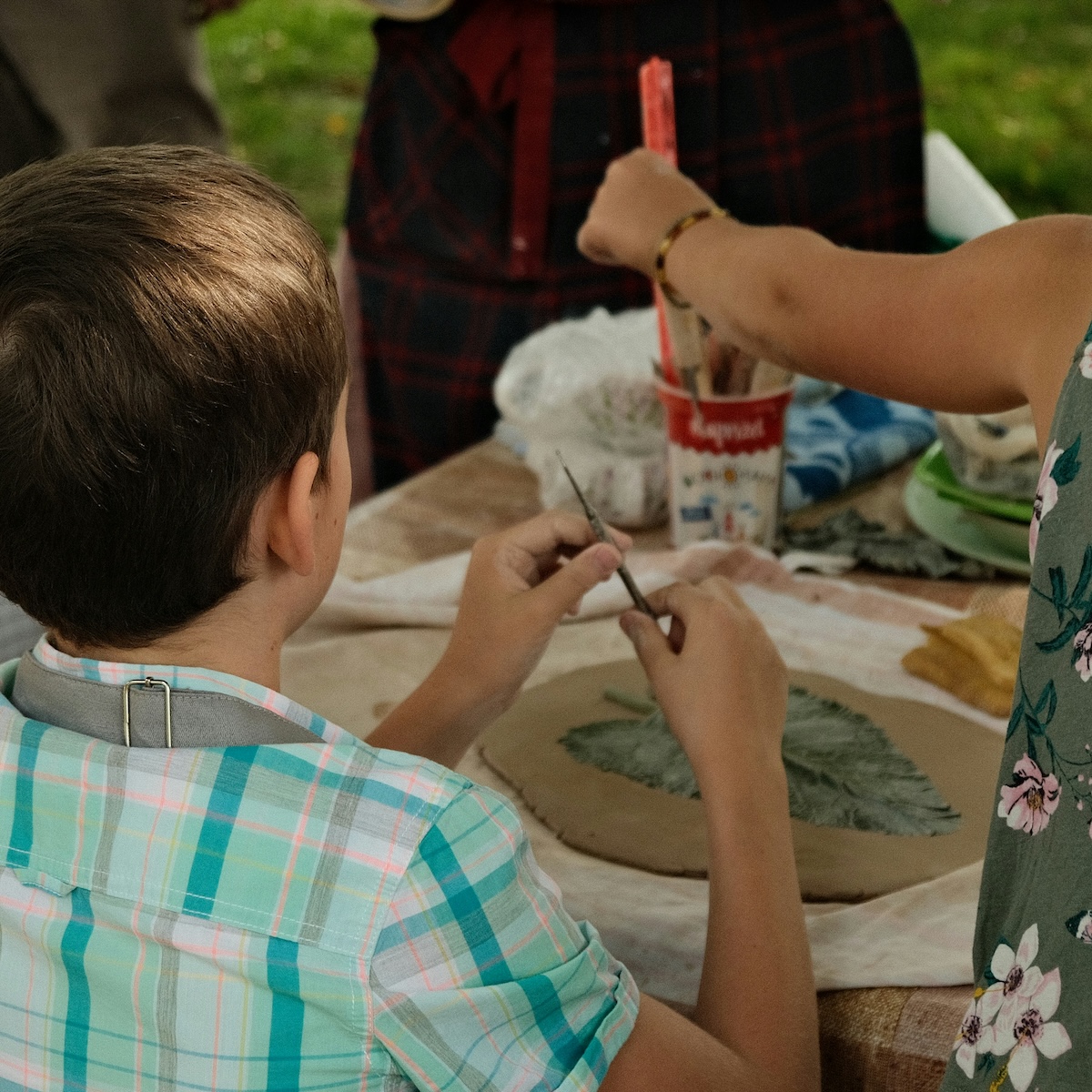
2. Arts and Crafts
Drawing, painting, sculpting, and crafting encourage children to experiment with materials and discover multiple ways to achieve the same goal. There is rarely one correct answer, making creativity itself part of the learning process.
Craft projects also improve patience and help children understand that mistakes often become opportunities to create something even better.
3. Strategy Games
Chess, checkers, and many modern board games teach children to think several moves ahead. They learn to anticipate consequences, evaluate different options, and change strategies as the game develops.
These skills easily transfer into everyday situations where thoughtful decision-making becomes increasingly important.
4. Puzzles
Jigsaw puzzles, logic games, escape-room activities, and brain teasers require children to recognize patterns and organize information.
Breaking larger problems into smaller pieces teaches an approach that remains useful throughout school and adult life.
Puzzles also reinforce perseverance by rewarding consistent effort rather than speed.
5. Cooking and Baking
Preparing simple recipes introduces measurement, sequencing, timing, and observation.
Children quickly learn how small changes can influence the final result and begin thinking critically about how to solve unexpected problems.
Whether an ingredient is missing or a recipe needs adjusting, the kitchen becomes an enjoyable environment for practicing flexible thinking.
6. Gardening
Gardening teaches children that successful outcomes depend on planning, observation, and patience.
They learn to solve practical problems involving watering schedules, sunlight, soil quality, and seasonal changes.
Watching plants grow over time also helps children understand that many worthwhile results require consistent care rather than immediate success.
7. Storytelling and Communication
Creating stories, role-playing, and imaginative games encourage children to organize ideas, solve fictional conflicts, and express their thoughts clearly.
Strong communication often supports stronger problem-solving because children become better at explaining their reasoning and considering different perspectives.

- Parents Are Prioritising Breathable, Sustainable Fabrics For Children's Seasonal Sleepwear
- Our Homemade Christmas Printables, Made With AI: What Worked, What Didn't, and What I'm Saving for Next Year
- At-Home vs. In-Lounge IV Therapy in the Hudson Valley: Which Makes More Sense?
- Can Passengers Pursue Compensation After a Car Accident?




Educational resources from BjoremSpeech support speech, language, and literacy development through engaging activities designed for educators, speech-language pathologists, and families.
Strong communication skills give children additional tools for working through challenges both independently and with others.
Encouraging children to explore a variety of hobbies exposes them to different types of thinking.
Some activities strengthen logic, others encourage creativity or communication, but together they help children become more confident problem-solvers who are better prepared for future academic, social, and everyday challenges.





Leave a Reply