

Here's something that gets overlooked all the time: your everyday routines have way more impact on independence than you'd think. We're talking about those small things you do without really thinking.
Over time, they add up. Sometimes they make you more self-sufficient. Other times, they do the opposite.
People managing physical limitations or developmental challenges notice this connection fast. Independence isn't something that shows up one day out of nowhere. It builds slowly. You make choices, stick with them for weeks or months, and things start to change.
The sweet spot? That's where solid habits meet emotional stability. Get those two working together, and real autonomy becomes possible.
Once you see how the pieces connect, you can actually do something about improving how your days go.
Jump to:
- How Daily Habits Shape Independent Living
- Emotional Health Affects Daily Task Performance
- Creating Routines That Last
- Nutrition's Impact on Functional Ability
- Physical Movement Supports Multiple Functions
- Sleep Quality Affects All Functioning Areas
- Developing Stress Management Skills
- Why Social Connections Matter for Independence
- When Professional Guidance Becomes Valuable
- Building Real Independence
How Daily Habits Shape Independent Living
Your brain loves turning repeated actions into autopilot mode. Keep doing something the same way, and eventually you stop thinking about it. It just happens. That frees up brainpower for tougher stuff that actually needs your attention.
Researchers who study this stuff found that most habits lock in somewhere between three and eight weeks. Depends on the person and what you're trying to do.
When you're focused on getting more independent, zeroing in on particular routines can show results pretty quickly.
Take mornings. Personal care, medications, breakfast. Do these in the same order around the same time, and they get so much easier. Same deal with keeping your place organised.
Put the things you use all the time in the same spots, and you're not burning mental energy hunting for your keys or phone charger.
The predictability itself cuts down on stress. Plus, it builds this confidence that you can handle your stuff without someone hovering.
Emotional Health Affects Daily Task Performance
Your mental state matters a lot when it comes to getting through daily tasks. There's solid clinical research showing anxiety and depression mess with something called executive function.
That's basically your brain's ability to plan things, get organised, figure out priorities, and actually start doing stuff.
When you're having a rough time emotionally, even basic self-care feels like climbing a mountain. Getting dressed or throwing together a simple meal takes way more out of you than it should.
Flip side? When your emotional health is in better shape, decisions come easier and you solve problems better. Building up emotional resilience takes a few things working at once:
- Figuring out what sets off your stress in the first place
- Finding ways to cope that actually work for you specifically
- Keeping up connections with people who've got your back
- Getting professional help when you need it
The goal isn't making all bad feelings disappear. That's not happening. It's about managing them enough that you can still get through your day and keep going.
Creating Routines That Last
What the research shows is pretty straightforward. Small wins beat big ambitions nearly every single time. People who try changing everything overnight usually crash and burn hard. Tiny changes? Those stick around.
There's this thing called habit stacking that works surprisingly well. Basically you piggyback a new habit onto something you already do without thinking.
Pop your vitamins right after you pour coffee. Bang out ten squats after brushing your teeth. The old habit becomes the reminder for the new one.
Visual stuff helps too when you're starting out. Stick a checklist on the fridge. Set phone reminders. Slap sticky notes in places you'll see them. Whatever keeps that new habit in your face until your brain catches on.
People are different, though. Some folks need strict structure, or they fall apart. Others feel trapped by rigid schedules and need wiggle room.
There's no one-size-fits-all answer here. You've got to try things and actually pay attention to what works with your personality and how you live.
And look, if you miss a day while you're building a habit, it's fine. Doesn't mean you failed. Doesn't mean start over. Just get back on it tomorrow.
Nutrition's Impact on Functional Ability
What you eat affects your energy, how well your brain works, and your mood in pretty major ways. Nutrition people keep saying balanced eating helps both your body and mind. The research backs them up on this.
Learning to plan meals and actually cook them is more complicated than it seems. You're dealing with budgets, navigating grocery stores, understanding enough about nutrition to make decent choices, following recipes or winging it in the kitchen, and getting everything ready at the same time. That's a lot happening at once.
Get the nutrition basics down, and you can make solid food choices without some complicated diet plan. Eat around the same times each day and your blood sugar stays steadier.
That means you avoid those crashes where everything suddenly feels ten times harder.
If you've got physical challenges, there's equipment out there that helps. Special utensils, cutting boards with guards on them, and day, storage setups that make things easier to reach.
These tools knock down barriers. And if making full meals isn't in the cards right now, simpler options or meal services can fill in while you work on building skills.
Physical Movement Supports Multiple Functions
Regular movement does a whole lot more than keep your heart healthy. Exercise helps you sleep better, lifts your mood through chemicals your brain releases naturally, and helps you think clearer.
For anyone working on independence, the right kind of physical activity makes the muscles you use for everyday stuff stronger. Things like moving around, walking, reaching for things, and carrying stuff.
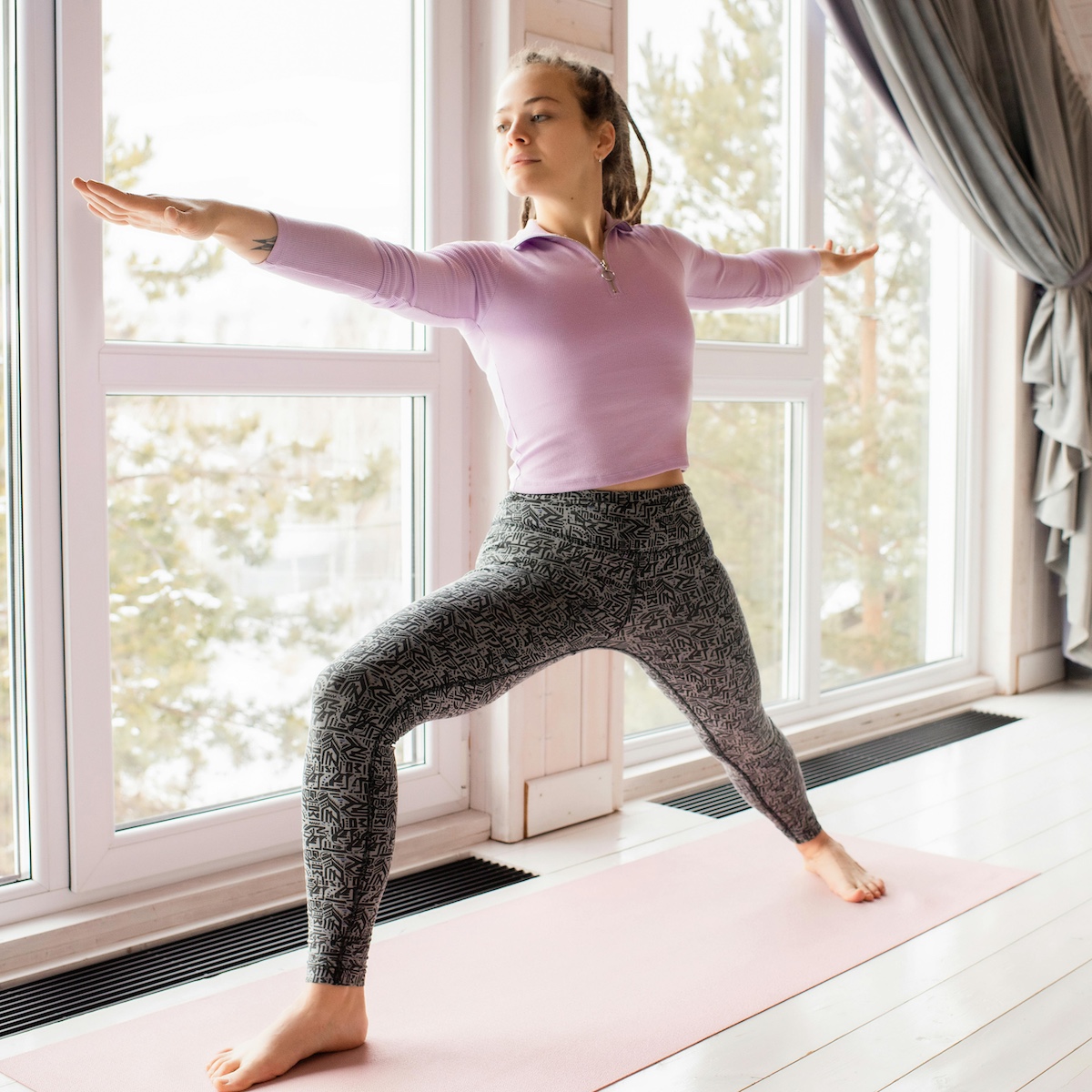
The key word there is "right kind". Being able to do it matters way more than how intense it is. Some people do great with chair exercises. Others like being in the water or doing gentle yoga.
What really counts is doing something regularly instead of pushing for crazy workouts you can't keep up with.
Movement that's already in your day counts too. Walking places instead of driving. Cleaning your house. Doing yard work. All of that helps you keep the physical ability you need for living on your own.
Sleep Quality Affects All Functioning Areas
You just can't function well independently if you're not sleeping enough. Period. Bad sleep tanks how well you think, makes it harder to keep your emotions steady, and throws off your coordination.
Sleep researchers have nailed down what actually helps you sleep better. It's not rocket science. Go to bed around the same time and wake up around the same time. Yeah, even weekends. Keep your bedroom cool, like 60 to 67 degrees for most people. Make it dark and quiet.
Blue light from your phone and tablet messes with melatonin, which is why cutting screen time before bed actually does something. Having a routine that winds you down tells your body sleep's coming. Read an actual book. Do some easy stretches. Put on calm music. Whatever clicks for you.
Sometimes sleep problems that won't quit mean there's a health issue underneath that needs a doctor. Don't brush off sleep troubles that keep hanging around. Good sleep props up literally everything else about functioning on your own.
Developing Stress Management Skills
Stress that just keeps going triggers stuff in your body that wrecks your health and clouds your judgement over time. Psychologists have tested different ways to bring stress down and found several that actually work.
Deep breathing gets your parasympathetic nervous system going, which starts your body relaxing. Exercise brings down stress hormones like cortisol.
Doing creative stuff gives your brain something else to focus on and lets emotions out. Having people who support you brings perspective and real help when things get tough.
Catch stress early, before it snowballs into something massive, and you can deal with it better. Some stress you can cut down through setting better boundaries or handing off tasks to other people.
Managing stress well means balancing doing things yourself with knowing when something's too much to handle solo and you need help.
Why Social Connections Matter for Independence
Being isolated from people raises health risks and cuts into how independently you can function. That's not just talk. Medical research has the receipts. Real relationships give you emotional support, help when you actually need it, and keep you accountable so you stay on track.
People who are working towards being more independent do better when they've got networks that cheer them on without making them too dependent. Getting involved in your community opens up chances to connect.
Volunteer somewhere. Join groups built around things you're into. Get involved in religious or spiritual stuff if that's your thing. These all help you build relationships.
Technology keeps you connected to people far away through video calls and messages. Though studies show meeting face-to-face gives your brain and mental health benefits that are kind of unique.
There's a real difference between interdependence and dependence. Actual autonomy means you can ask for appropriate help while you're still making your own calls and running your own life overall.
When Professional Guidance Becomes Valuable
Sometimes specialised training is needed to identify barriers that affect independence and to address them effectively. Occupational therapy services support people in developing the functional skills required for daily living through structured assessment and targeted, individualised interventions.
Therapists look at your physical abilities, how your brain processes things, what your sensory needs are, and what in your environment affects how you do tasks.
What they provide might be adaptive techniques for taking care of yourself, strategies for organising and managing daily stuff, changes to where you live, or exercises aimed at building specific abilities.
You work together on it. Set goals you can actually measure and watch progress happen over time.
The whole point of getting professional support is building skills and ways to solve problems that stick with you, not making you need services forever.
Approaches backed by evidence and tailored to your specific situation usually work better than generic advice.
Building Real Independence
Getting truly independent takes steady attention to physical health habits and emotional wellbeing both. Evidence is pretty clear these things work together. They back each other up.
Setting up routines you can actually sustain, eating decent food, staying active physically, sleeping well, handling stress the right way, and keeping your social connections alive.
All of it feeds into functional autonomy. Professional support can tackle specific roadblocks through methods that have been proven to work when your own efforts max out.



Progress happens bit by bit through small improvements piling up, not through some dramatic change overnight. Pick one area you can actually manage and focus there. Build on it as you get stronger in your abilities.
Independence isn't some finish line you cross and then you're done. It takes choices every day that support how well you function and what kind of life quality you get to experience.




Leave a Reply