

A garden can be beautifully planted and meticulously maintained yet still spend much of its time being admired through a window.
Often, the missing ingredient is not another flowerbed or ornamental tree. It is somewhere to go.
Creating a destination within the garden can completely change the way an outdoor space is used.
A dining terrace, a secluded seating area, or a sunny morning coffee spot provides a reason to step outside rather than simply look at the landscape.
Jump to:
Think About Where You Naturally Want to Be
Before deciding where to build a patio or position furniture, spend some time observing the garden.
Where does the evening sun fall? Which area has the best view? Is there a sheltered corner that stays comfortable when other areas are windy?
The obvious location directly outside the back door is not always the most appealing. Creating a destination further into the garden encourages people to move through the landscape and experience more of it.
A sunny corner at the end of a lawn, for example, could become an evening seating area. Suddenly, an overlooked part of the garden has a purpose.
Give the Destination a Proper Foundation
Once you have chosen the location, define it visually.
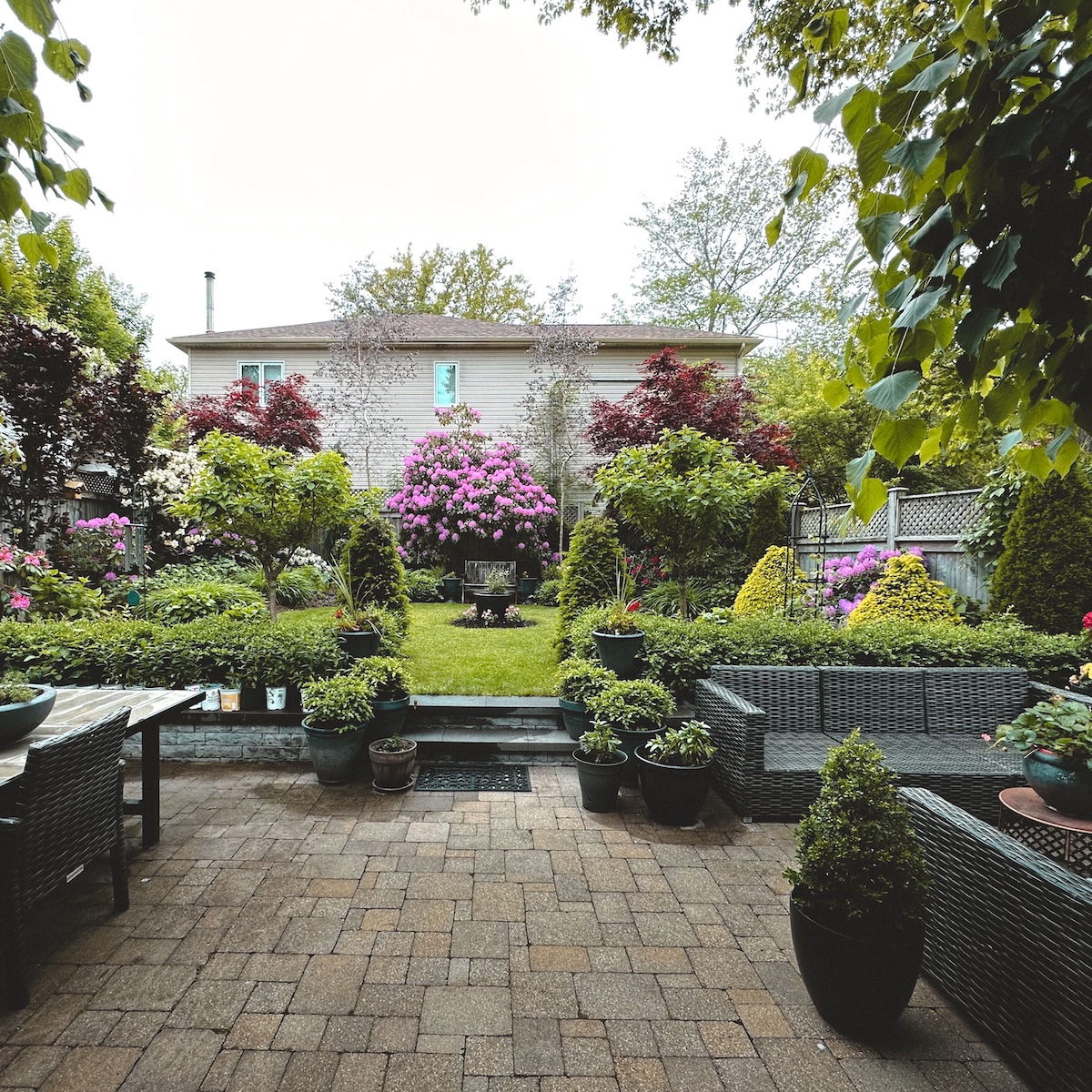
A paved area immediately communicates that the space has a function. Natural stone and porcelain can both provide practical surfaces for patios, dining spaces and pathways.
Outdoor paving by Quorn Stone can be used to establish anything from a small courtyard-style retreat to a larger entertaining area.
Quorn Stone's outdoor collections include limestone and porcelain options designed for exterior use, with numerous styles also available in corresponding indoor formats.
The shape does not necessarily need to follow the boundaries of the house. A separate rectangle, circle or informal paved area surrounded by planting can make the destination feel more like its own outdoor room.
Create a Journey to Get There
Part of the pleasure of having a destination in the garden is the journey towards it.
A pathway can turn a short walk across the lawn into a deliberate transition. Stepping stones, gravel, paving or a planted walkway can guide people naturally towards a seating or dining area.
Consider what visitors experience along the route. Tall grasses might brush against the edge of a path, herbs could release their scent when passed, while strategically positioned planting can temporarily hide the destination before revealing it.
Even relatively compact gardens can benefit from this sense of progression.
Decide What Will Make You Use the Space
A destination needs a purpose. If you regularly entertain, create somewhere large enough for a dining table and chairs. If you prefer quieter gardens, a bench positioned to catch the morning sun might be far more useful.
You could create a reading corner, an outdoor kitchen, a fire pit area, or simply somewhere for two people to sit with a drink at the end of the day.
Design around what you genuinely enjoy rather than what you think a garden is supposed to contain. The best outdoor spaces fit naturally into everyday routines.
For homeowners looking to make better use of their outdoor space, a dedicated structure can offer another practical option. Well-designed garden rooms can create a comfortable place to work, relax, enjoy hobbies, or spend quiet time away from the main house. When positioned thoughtfully within the garden, they can complement the surrounding landscaping and make the outdoor area useful throughout the year.
Make the Space Work After Sunset
If an outdoor destination only works during daylight, much of its potential is being missed.
Lighting can dramatically extend the time people spend outside. Rather than illuminating the entire garden, concentrate on a few carefully selected areas.
Low-level lighting along paths can guide people towards the destination, while subtle lighting around trees or planting creates depth. Portable lamps and lanterns can provide softer illumination around seating and dining areas.
Add comfortable chairs, cushions, and perhaps a basket of blankets nearby, and the space becomes a place worth staying even when the temperature begins to fall.
Create a Garden You Experience, Not Just View
Successful gardens are not simply collections of attractive plants. They are spaces that encourage movement, relaxation and interaction.
- Parents Are Prioritising Breathable, Sustainable Fabrics For Children's Seasonal Sleepwear
- Our Homemade Christmas Printables, Made With AI: What Worked, What Didn't, and What I'm Saving for Next Year
- At-Home vs. In-Lounge IV Therapy in the Hudson Valley: Which Makes More Sense?
- Can Passengers Pursue Compensation After a Car Accident?




Giving the garden a destination creates that invitation. It might be an expansive dining terrace or nothing more complicated than a small paved corner beneath a tree. What matters is that there is somewhere you actively want to reach.
Once the garden contains places to walk towards, sit within and spend time enjoying, it stops being scenery beyond the windows and becomes another part of the home.





Leave a Reply