

Your outdoor space can do more than hold a table and a grill. With a few smart moves, it can become a flexible spot for lounging, dining, and everyday living.
Think of it like a room with walls made of plants and sky. The right furniture helps you shift from morning coffee to late-night chats without dragging things around.
Jump to:
Start With Zones
Break the area into small zones that match how you live. A corner for reading, a space for dining, and a sunny stretch for naps make the layout feel intentional. Use rugs to signal where one zone stops and another begins.
Keep traffic paths clear so people can move easily. Before shopping, map out your furniture needs by considering how many people you usually host, which zones you use most, and how much storage you want for cushions and extra seating.
Low benches or planters can act as soft boundaries. Lightweight side tables float between seats, so drinks and books always have a landing pad.
Choose seating that stacks or folds when you host a crowd. Benches slide under tables to free up floor space. Nesting tables tuck away until you need another surface.
A design feature noted by Livingetc suggests treating the outdoors like an extension of your living room. That shift in mindset helps you choose pieces with indoor-level comfort, and it encourages layered lighting, cushy textiles, and intentional color stories.
Make Soft Seating
Comfort makes people stay longer. Start with plush seats that invite you to sink in, then add armchairs to round out the circle. Keep seat heights similar so conversations feel natural.
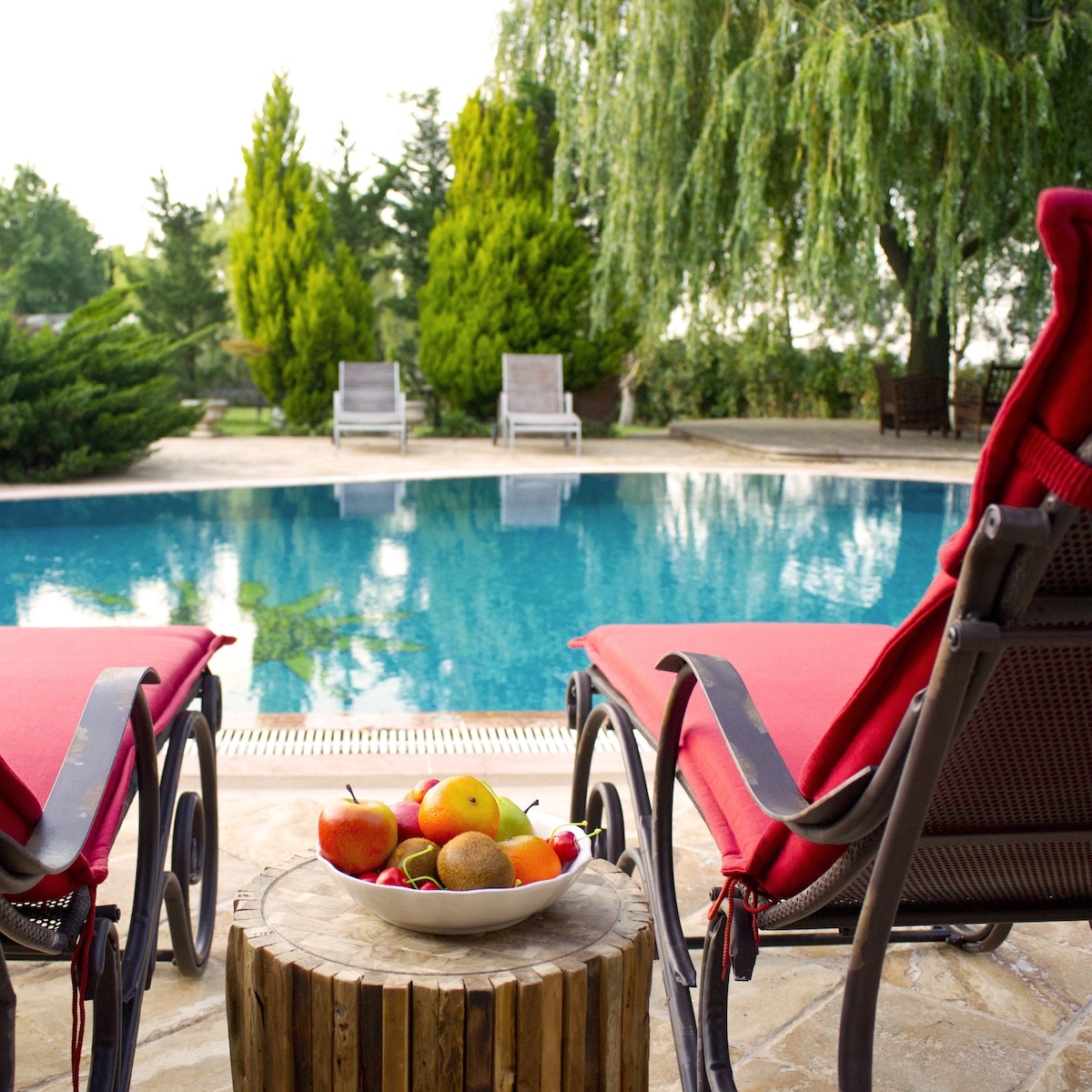
Consider swapping in a flexible lounge option, like premium pool bean bags from Bean Bags R Us, for shapeshifting comfort near the water. The relaxed silhouette works for kids and adults, and it dries fast. Add a water-friendly side table, and you have an instant hangout.
Mix a low chaise with a sling chair to serve different bodies and moods. A compact ottoman doubles as a mini table. If pieces are easy to move, your space can pivot from solo time to group time in minutes.
Store a few extra outdoor cushions in a deck box. Pull them out when guests appear, then stack them away to keep the area tidy. Simple systems make the space feel effortless.
Choose Materials That Work Hard
Match materials to your climate and maintenance style. Powder-coated aluminum is light and sturdy, and all-weather wicker handles sun and rain. Teak ages to a silvery patina that many people love.
Cushions with removable, quick-dry covers are worth it. They resist fading and wipe clean after a messy snack. Look for UV-resistant textiles to hold color through summer.
If you live in a windy area, choose heavier frames or clip cushions to the base. Add rubber feet to protect the decking. Little details reduce repairs and extend the life of your setup.
🤖 Looking For An Answer?
Ask AI to summarise this post to see if the article answers your questions:
Use Layouts That Flex
Start with the biggest piece and build around it. A modular sofa can split into chairs or slide back together for movie night. Keep pieces a few inches from railings and edges to reduce scuffs.
Angle chairs slightly inward to make conversation easy. Place the lowest seating where the view is best, and taller chairs where privacy is needed. A pedestal table opens up legroom for tight spots.
- Use nesting side tables to add surface area
- Choose armless modules to reconfigure quickly
Add a rolling caddy for blankets and glassware - Keep one foldable chair per guest in storage
When possible, double your seating with benches along planters. They frame the space and give guests a perch without blocking sightlines. Corners are perfect for L-shaped arrangements.
Bring In Indoor-Style Comforts
Layer textiles for warmth and texture. Outdoor rugs define areas and add softness underfoot. Throw blankets and lumbar pillows help everyone settle in for a while.
Side lamps designed for outdoor use create a glow without glare. Clip-on or rechargeable units avoid cords and make rearranging simple. Aim for a few low-light sources instead of one bright one.
A recent feature from Livingetc noted that designers are treating patios like true living rooms. That approach encourages mixing textures, adding statement colors, and choosing furniture that feels as cozy as a den. It is an easy way to raise the vibe without a full redo.
Keep a tray stocked with napkins, sunscreen, and bug spray. When essentials are within reach, the space supports daily life. Small comforts make the area feel ready for anything
- Parents Are Prioritising Breathable, Sustainable Fabrics For Children's Seasonal Sleepwear
- Our Homemade Christmas Printables, Made With AI: What Worked, What Didn't, and What I'm Saving for Next Year
- At-Home vs. In-Lounge IV Therapy in the Hudson Valley: Which Makes More Sense?
- Can Passengers Pursue Compensation After a Car Accident?




A functional outdoor space is not about having more stuff. It is about choosing pieces that earn their footprint and work together. Start with zones, then layer comfort and storage.
When you can shift layouts in minutes, you will use your patio every day. Keep materials durable, lighting soft, and seating inviting. The result is a space that lives as hard as you do.





Leave a Reply