

Home flooring has quietly become one of the most exciting corners of interior design.
What once felt like a purely functional decision, something chosen simply to cover a subfloor, has become a genuine style statement that shapes the overall feel of a room.
Homeowners are paying closer attention than ever to texture, colour, and durability, and manufacturers have responded with materials that look better and perform better than anything available a decade ago.
This shift has been driven partly by necessity and partly by taste. Families want floors that survive muddy boots, spilt juice, and the occasional dog with wet paws, without sacrificing the polished look they see in design magazines.
Fortunately, the flooring industry has caught up with that demand, and 2026 is shaping up to be a genuinely interesting year for anyone planning a refresh.
Jump to:
- Wood Tones Are Getting Richer and More Varied
- Waterproof Cores Are Becoming the Default, Not the Upgrade
- Wider and Longer Planks Are Changing Room Proportions
- Texture Is Taking Priority Over Gloss
- Carpet Is Making a Comeback in Unexpected Places
- Sustainability Is Influencing Material Choice
- Underfoot Comfort Is Being Engineered, Not Just Assumed
- Technology Is Making the Buying Process Easier
- Choosing What Actually Fits a Home
Wood Tones Are Getting Richer and More Varied
Gone are the days when a single shade of oak dominated every showroom. This year has brought a noticeable shift toward deeper, more layered wood tones, ranging from warm caramel browns to smoky greys with subtle undertones.
Multi-tonal planks, where individual boards vary slightly in colour within the same collection, have become particularly popular because they mimic the natural inconsistency of a real hardwood forest floor rather than the uniform look that once signalled a cheaper product.
Homeowners exploring these richer palettes often find it helpful to browse a few different brands before settling on a direction, since tone and finish can vary enormously between manufacturers even within the same colour family.
Brands such as Proximity Mills sit among a growing number of flooring producers pushing these nature-inspired collections, though it is worth checking several suppliers and speaking with a local retailer to find a shade and finish that genuinely suit the light and layout of a specific room.
Samples almost always look different once they are sitting on an actual floor rather than propped against a showroom wall.
Waterproof Cores Are Becoming the Default, Not the Upgrade
A few years ago, waterproof flooring was treated as a premium feature reserved for bathrooms and basements.
That has changed considerably. Rigid core luxury vinyl, often built with a stone-plastic composite base, has become common even in living rooms and bedrooms, largely because homeowners have realised there is little reason to choose a moisture-vulnerable material when a waterproof equivalent looks just as good and costs only slightly more.
This shift has been particularly welcome for households with pets or young children, where the odd spill or accident used to mean genuine anxiety about damaging an expensive floor.
Waterproof cores have removed much of that worry, and manufacturers have used the extra durability as an opportunity to experiment with more adventurous colours and textures that would have felt too risky on older, more fragile materials.
Wider and Longer Planks Are Changing Room Proportions
Plank dimensions have steadily increased over the past several renovation cycles, and 2026 continues that trend.
Wider boards, often paired with longer lengths, create fewer visible seams across a floor, which makes rooms feel larger and more cohesive.
This has proven especially popular in open-plan homes, where a continuous, uninterrupted floor helps tie together kitchen, dining, and living spaces that might otherwise feel visually fragmented.
There is a practical side to this too. Fewer seams generally mean fewer opportunities for dirt and moisture to work their way into gaps, which can considerably extend the working life of a floor.
Installers have adapted their techniques accordingly, and wider planks that once required specialist handling are now a fairly standard part of most flooring projects.
Texture Is Taking Priority Over Gloss
Highly polished, glossy finishes have fallen out of favour in most residential settings, replaced by textured surfaces that mimic the hand-scraped or wire-brushed look of reclaimed timber.
This matte and low-sheen movement reflects a broader shift in interior design toward warmth and imperfection rather than showroom perfection.
Textured floors also tend to hide dust, light scuffs, and pet scratches far more effectively than glossy surfaces, making them a practical favourite for busy households as well as a stylish one.
Matte finishes pair particularly well with the layered wood tones mentioned earlier, since the texture helps the colour variation read as natural rather than artificial.
Together, these two trends have pushed flooring further away from the uniform, factory-perfect look that dominated the previous decade.
Carpet Is Making a Comeback in Unexpected Places
For years, hard flooring pushed carpet out of many rooms it once occupied by default. That trend has started to reverse slightly, particularly in bedrooms and home offices, where comfort and noise reduction matter more than spill resistance.
Low-pile, densely woven carpets designed for high traffic have made carpet a more practical option than it used to be, even for households that avoided it in the past due to durability concerns.
Interior designers have also started reintroducing carpet as a layering tool, placed over hard flooring in living areas to add warmth and softness without covering an entire room.
This partial approach lets homeowners enjoy the durability of hard flooring in high-traffic zones while still getting the comfort of carpet where it matters most, such as under a sofa or beside a bed.
Sustainability Is Influencing Material Choice
Environmental considerations have moved from a niche concern to a mainstream factor in flooring decisions.
Buyers are increasingly asking about recycled content, low volatile organic compound emissions, and the overall lifecycle of a product before committing to a purchase.
Manufacturers have responded by expanding their recyclable product lines and being more transparent about sourcing, making it considerably easier for environmentally conscious homeowners to make informed choices without sacrificing style or performance.
This growing awareness has also encouraged longer product lifespans as a selling point in itself. A floor that lasts fifteen years without needing replacement carries an environmental benefit that goes beyond the materials used to make it, since fewer replacements mean less manufacturing, less transport, and less waste heading to landfill over time.
Underfoot Comfort Is Being Engineered, Not Just Assumed
One quieter trend worth mentioning is the growing attention manufacturers are paying to how a floor actually feels underfoot, beyond how it looks.
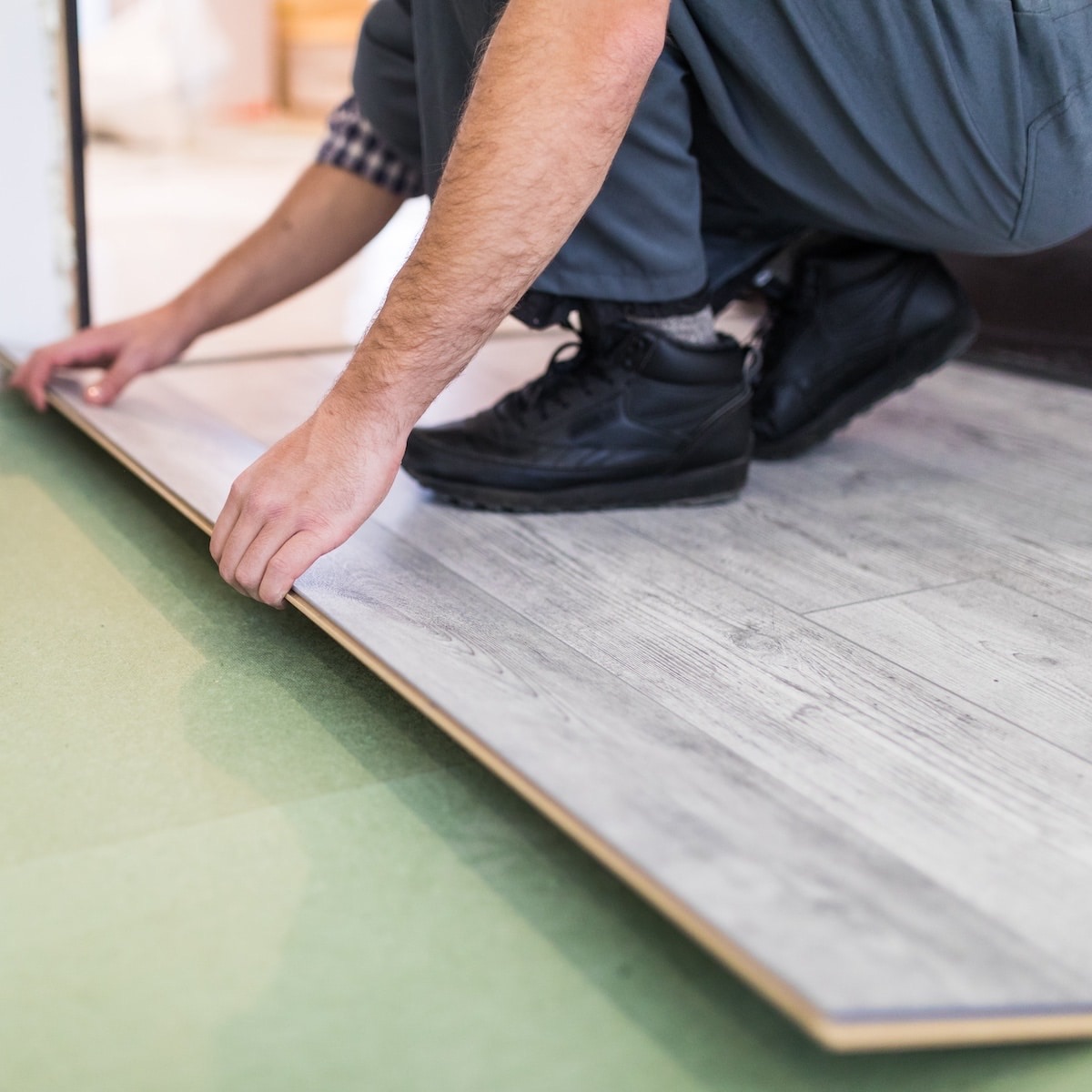
Attached underlayment has become far more common on luxury vinyl and laminate products, with manufacturers building cushioning directly into the plank rather than leaving it as a separate step homeowners have to source themselves.
This has made installation simpler while also improving comfort and sound absorption, which matters more than people expect once a floor is actually lived on day to day.
Acoustic performance, in particular, has become a major talking point, especially in multi-storey homes and apartments, where noise transfer between floors can be a genuine source of household friction.
Products marketed around sound dampening have moved from a specialist niche into a mainstream selling point, and homeowners renovating upper floors are increasingly asking about impact insulation ratings before finalising a purchase.
It is a detail that rarely shows up in a glossy product photo but makes a noticeable difference once the floor is installed and daily life resumes above and below it.
Technology Is Making the Buying Process Easier
The shopping experience around flooring has also changed considerably. Room visualiser tools, now offered by most major retailers and manufacturers, let homeowners upload a photo of their own space and see different products rendered directly onto their existing walls and furniture.
This has removed a lot of the guesswork that used to make flooring one of the more stressful renovation decisions, since colour and pattern can now be judged in context rather than imagined from a small sample chip.
Better product documentation has helped too. Detailed specification sheets covering wear layer thickness, water resistance ratings, and warranty terms are now standard on most product pages, giving buyers the information needed to compare options properly before ever setting foot in a showroom.
This shift toward transparency has made it considerably easier for homeowners to make confident decisions, particularly when weighing up several similar-looking products from different suppliers before committing to one for an entire home.
Choosing What Actually Fits a Home
With so many appealing trends circulating, it can be tempting to chase whatever looks best in a magazine spread.
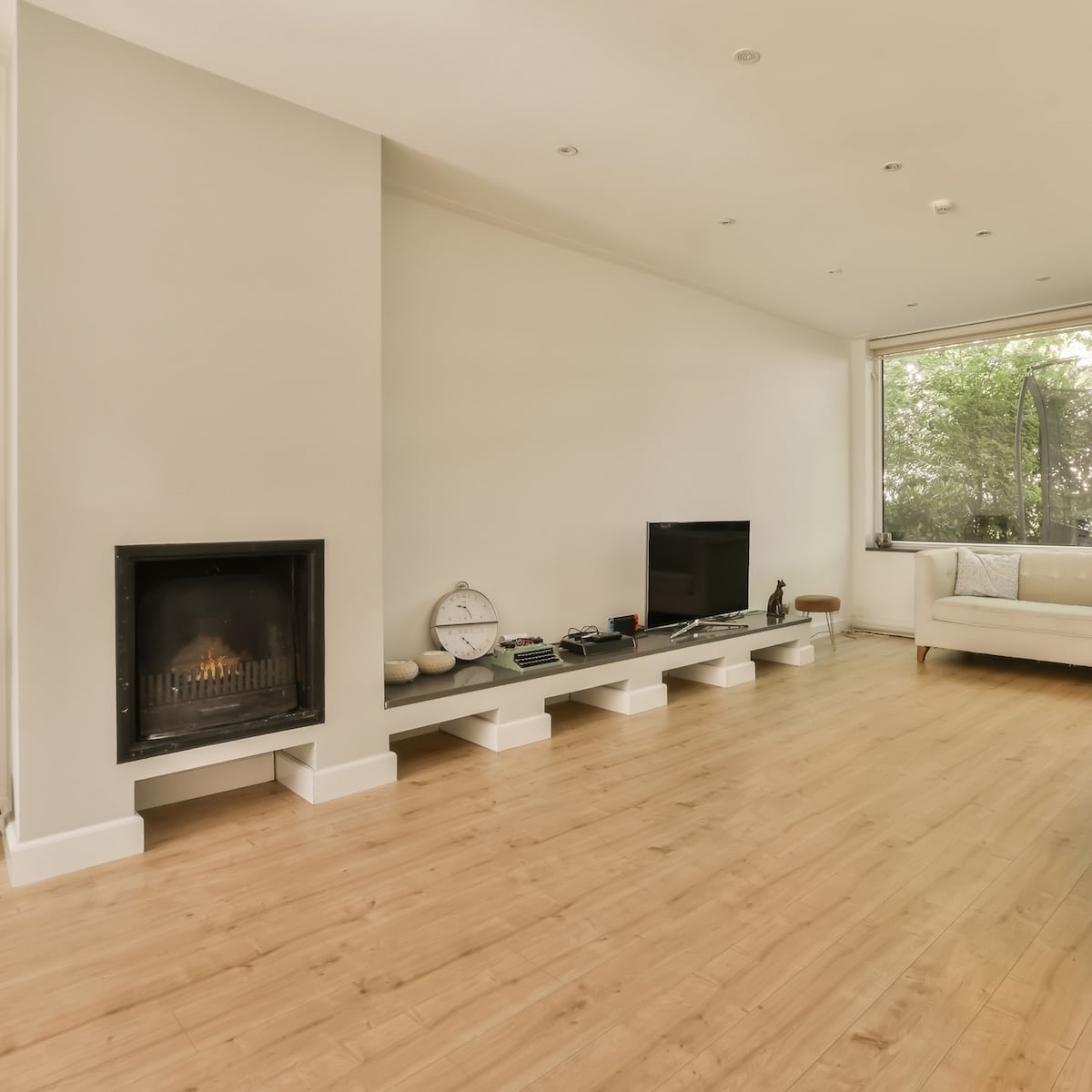
The most successful flooring choices, though, tend to come from balancing current style with the practical realities of a household.
- Parents Are Prioritising Breathable, Sustainable Fabrics For Children's Seasonal Sleepwear
- Our Homemade Christmas Printables, Made With AI: What Worked, What Didn't, and What I'm Saving for Next Year
- At-Home vs. In-Lounge IV Therapy in the Hudson Valley: Which Makes More Sense?
- Can Passengers Pursue Compensation After a Car Accident?




A busy family with young children will have different priorities than a couple renovating a quiet retirement home, and the best flooring decision is the one that withstands daily life while still reflecting personal taste.
Visiting a few showrooms, requesting samples, and taking time to see how different materials look under a home's actual lighting remain the most reliable way to avoid disappointment.
Trends will keep shifting year to year, but a floor chosen thoughtfully, with both durability and style in mind, tends to remain satisfying long after the latest colour palette has moved on to something new.





Leave a Reply