

How Eye Treatments Are Changing Vision Care In 2025 highlights the innovative options reshaping how people manage eye health.
Many patients explore advanced eye care treatments that go beyond glasses and contacts to improve convenience and quality of life.
New technologies offer solutions for refractive errors, cataracts and age-related conditions with greater precision.
Minimally invasive procedures are reducing recovery times and making treatments more accessible.
Vision correction is becoming more personalised with options tailored to each patient’s lifestyle and needs.
These innovations also help reduce long-term dependence on traditional corrective lenses.
By learning about vision care advancements in 2025, you can see how modern treatments support healthier eyesight.
The future of eye care brings more freedom, comfort and confidence to everyday living.
In Bellevue, modern eye treatments are transforming how people approach vision care.
Advanced procedures now offer more precise results, shorter recovery times, and customized solutions tailored to individual needs.
These innovations are not just about correcting vision—they are about improving quality of life, confidence, and daily functionality.
In this article, we’ll explore the latest eye treatments that are redefining vision care in 2025 and provide insights on how to maintain eye health alongside these modern procedures.
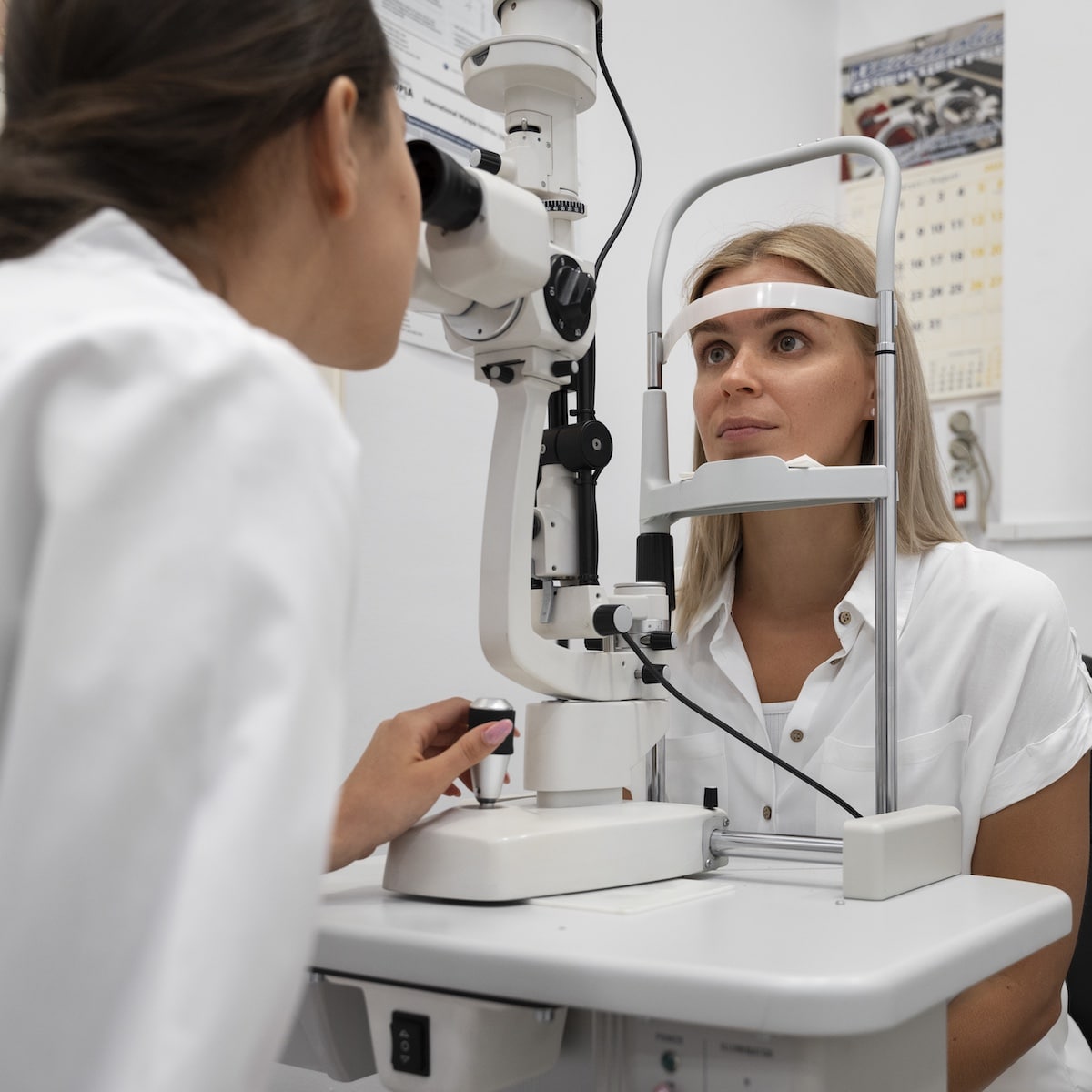
Jump to:
Latest Eye Treatments Transforming Vision Care
Modern eye treatments are safer, more effective, and more tailored than ever before. Here are four of the most notable procedures that are changing the landscape of vision correction:
1. LASIK (Laser-Assisted In Situ Keratomileusis)
LASIK is one of the most well-known and effective methods to correct nearsightedness, farsightedness, and astigmatism. Using precision lasers, the procedure reshapes the cornea, allowing light to focus correctly on the retina.
Benefits:
- Significant reduction in dependence on glasses or contacts
- Quick recovery, often within a day or two
- Long-lasting vision improvement
Who it’s for: Adults with stable vision, generally 18 or older, without severe corneal issues.
Patients seeking clarity often explore LASIK in Bellevue, where specialists, like those at “Bellevue Precision Vision, use advanced laser systems to enhance safety, precision, and patient comfort. This approach ensures results are both effective and tailored to each individual’s eye structure.
2. SMILE (Small Incision Lenticule Extraction)
SMILE is a minimally invasive laser procedure that corrects myopia and astigmatism. Unlike LASIK, it requires only a small incision, reducing the potential for dry eye and speeding recovery.
Benefits:
- Less discomfort and faster healing
- Reduced risk of complications like flap issues
- Maintains corneal strength while correcting vision
Who it’s for: Adults with mild to moderate nearsightedness who prefer a minimally invasive approach and want a faster return to normal activities.
3. Advanced Cataract Surgery with Femtosecond Lasers
Femtosecond laser-assisted cataract surgery offers a precise method to remove cloudy lenses and replace them with intraocular lenses. The technology allows for highly accurate incisions and improved vision outcomes.
Benefits:
- Faster, safer procedures with reduced risk of complications
- Improved accuracy in lens placement for better vision
- Shorter recovery times and better visual outcomes for age-related cataracts
Who it’s for: Older adults with cataracts seeking improved vision and reduced dependence on corrective eyewear.
4. Corneal Cross-Linking for Keratoconus
Keratoconus causes thinning and bulging of the cornea, which can distort vision. Corneal cross-linking strengthens the cornea using riboflavin and UV light, slowing the progression of the condition.
Benefits:
- Stabilizes corneal structure
- Reduces the need for corneal transplants in many cases
- Preserves vision and improves quality of life
Who it’s for: Patients diagnosed with keratoconus, typically younger adults experiencing progressive corneal thinning.
How These Treatments Are Changing Eye Care
The impact of these modern procedures extends far beyond corrected vision. Patients experience less dependence on corrective lenses, faster recovery, and improved overall eye health.
Key changes include:
- Treatments are increasingly personalized to individual eye anatomy
- Minimally invasive options reduce discomfort and recovery time
- Advanced laser technologies offer safer, more precise results
- Patients gain long-term satisfaction and confidence in their vision
By leveraging these innovations, eye care specialists can address a wider range of vision issues more effectively than ever before.
Supporting Eye Health Alongside Modern Treatments
Even with advanced procedures, ongoing care remains crucial for maintaining vision quality and overall eye health. Routine practices can complement surgical or non-surgical treatments to prolong results and prevent further issues.
Tips for healthy eyes:
- Schedule regular comprehensive eye exams to catch early problems
- Protect eyes from harmful UV rays and manage screen time
- Eat a nutrient-rich diet with vitamins A, C, and E for eye support
- Stay hydrated and practice proper eye ergonomics to reduce strain
These steps help preserve vision and ensure that the benefits of modern treatments are long-lasting.



Conclusion
Modern eye treatments such as LASIK, SMILE, advanced cataract surgery, and corneal cross-linking are revolutionizing vision care in 2025.
Patients enjoy safer procedures, faster recovery, and customized solutions designed for their unique eyes.
Coupled with proper eye care habits, these innovations enhance vision quality, confidence, and daily functionality.
Consulting with skilled specialists ensures patients receive the most appropriate treatment, achieving long-lasting results that support both eye health and lifestyle.
These advancements are changing how people experience vision, offering clearer sight and a better quality of life.




Leave a Reply