

It takes attention to detail to convert a damaged concrete slab to a smooth, polished, level floor.
The best option is professional grinding; the restoration of a concrete floor starts with removing imperfections.
The purpose of the following guide is to outline the grinding process and the importance of this step in achieving a professional look and a durable surface for your flooring project.
Jump to:
Removing Stubborn Surface Contaminants
Floor coatings, varnishes, and the like cannot be applied to a surface where old glue, paint, or epoxy is left adhered to the concrete.
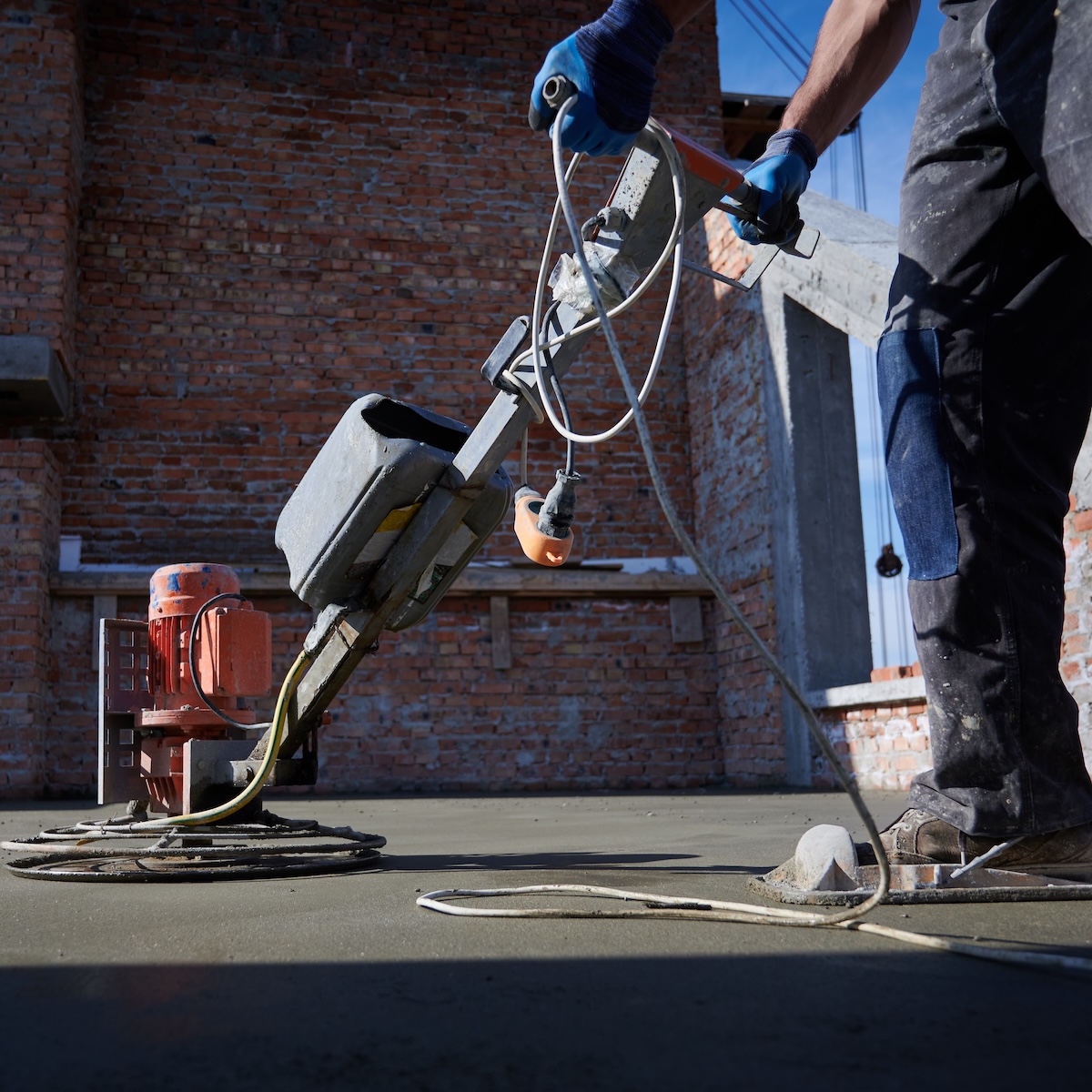
A floor grinder with aggressive metal-bonded diamonds is the equipment of choice to scrape those surfaces away without compromising the slab.
This process greatly adds to the chances that the epoxy or flooring bonds to the surface, thus preventing bubbling in the future.
Levelling Uneven Joints and High Spots
Concrete slabs often settle over time, which can lead to lipage or uneven edges where two sections of the floor meet at a joint.
You can use a heavy-duty grinder to grind down these high spots until they are perfectly flush with the rest of the surrounding area.
Also, this improvement is essential for preventing trip hazards and ensuring that vehicles like forklifts can move smoothly across a warehouse floor.
Opening the Pores of the Concrete
For a sealer or a stain to penetrate the concrete properly, the surface needs to be open and absorbent rather than sealed shut or glazed.
Floor Grinder Hire removes the thin layer of laitance that often forms on the top of new concrete during the drying process.
Furthermore, this opening of the pores allows your chosen finish to soak deep into the material, creating a much stronger and longer-lasting bond.
Creating a High-Gloss Polished Finish
If you want the sophisticated look of a mirror-like floor, you must progress through a series of increasingly fine diamond grinding segments.
Start with coarse grits to remove damage and gradually move to resin-bonded pads that buff the surface to a high shine.
The result is a stunning, light-reflective floor that makes any room feel brighter and more modern while remaining incredibly tough and durable.
Eliminating Rain Damage and Pitting
Sometimes a fresh concrete pour can be ruined by unexpected rain, leaving the surface with a pitted or scaled texture that looks unsightly and weak.
You can save these slabs by grinding away the damaged top layer to reach the stronger, unaffected concrete hidden just a few millimetres below.
Grinding allows you to salvage a project and turn a disaster into a smooth and professional finish that looks as good as new.
Improving Light Reflectivity in Dark Spaces
A smooth and polished concrete floor acts like a giant mirror, reflecting both natural and artificial light up into the room.
You will find that once a floor is ground and polished, you may need fewer light fixtures to achieve the same level of brightness in a large warehouse or shop.
By smoothing out the surface, you are essentially turning your floor into a functional part of your building's lighting and energy strategy.
Preparing for Thin-Film Coatings
If you are planning to apply a thin layer of paint or a clear sealer, even the smallest bump on the floor will show through and spoil the final look.
Use a fine-grit diamond grinder to create a very smooth but slightly textured profile that provides the perfect grip for thin coatings.
A well-ground floor provides the professional foundation needed for decorative finishes to reach their full visual and functional potential.
A Final Thought on Smooth Surfaces
Utilising grinding equipment is a transformative step that takes a basic concrete slab and turns it into a high-performance flooring asset.
- Parents Are Prioritising Breathable, Sustainable Fabrics For Children's Seasonal Sleepwear
- Our Homemade Christmas Printables, Made With AI: What Worked, What Didn't, and What I'm Saving for Next Year
- At-Home vs. In-Lounge IV Therapy in the Hudson Valley: Which Makes More Sense?
- Can Passengers Pursue Compensation After a Car Accident?









Leave a Reply