

Dust and chemicals are commonplace in the house, but they can cause all manner of trouble and play havoc with your health.
Keeping your AC clean through regular AC maintenance, along with using modern systems of heating and cooling, helps improve indoor air and reduce pollution.
Luckily, there are lots of ways for homeowners to improve their indoor air quality.
Modernisation of HVAC systems, humidity regulation, and minimisation of pollution sources are among the most effective.
These measures can go a long way towards making the air we breathe daily much better.
Jump to:
Upgrade Your HVAC Air Filters
Indoor air quality can best be enhanced by simply changing your HVAC filters.
Key steps include:
- Install dense HVAC air filters like the high-efficiency HEPA filters or MERV-rated filters that show the ability to capture dust and pollen as well as pet dander.
- Filtering will be performed every 13 months, depending on the type and use.
- Check ductwork for leaks. Covering ducts prevents the entry of unfiltered air into the house.
Regular maintenance from services such as Freon can assist with upgrading your HVAC air filters.
Invest in Air Purifiers for Key Rooms
The HVAC filters improve indoor air quality. Portable purifiers may be located in locations where the quality of air is most required, like the bedrooms or living rooms.
Suggestions regarding the selection and the use of air purifiers:
- Select HEPA HVAC air filters in order to eradicate dust and allergens.
- Find those models that contain activated carbon to trim the smell, smoke, and chemicals.
- Size of the purifier in relation to the size of the room.
- Clean the purifiers
The purifiers, when used together with HVAC, reduce allergens and germs in certain places, providing you with cleaner breathing places.
Control Humidity Levels
There should be appropriate humidity in the indoor air. Humidity and dryness may have a deplorable effect on comfort and air quality.
The effective strategies comprise:
- Dehumidifiers in damp rooms
- Check the humidity rates
- Make sure that there is sufficient ventilation in hot and sticky places such as kitchens and bathrooms.
Humidity may be balanced, hence reducing the impact of moisture in terms of mold and dust mites, among others, allergens.
Improve Ventilation Throughout Your Home
American citizens spend 90 percent of their lives indoors. Ventilation is also needed in order to get rid of stale air and introduce fresh outside air. In its absence, even relatively clean houses have the possibility of being polluted.
It is possible to develop better ventilation by:
- Air should be allowed to flow through the windows and the doors.
- Install exhaust fans in moist areas or places.
- Keep the vents around them clear of furniture and drapes so that maximum airflow can be allowed.
Through proper ventilation, indoor pollutants may be reduced, and health at home is improved.
Reduce Indoor Pollutant Sources
It is as vital as cleaning the air since it is necessary to prevent the entrance or accumulation of pollutants inside.
Strategies include:
- Indoor smoking is to be avoided
- Reduce the use of chemical cleaning agents and sprays that are chemical.
- Vacuum and routine dusting.
- Store the chemicals and paints in open spaces.
Less pollution indoors also means that you can put your efforts into practice because the strain on air filtration and purification systems is reduced.
Add Indoor Plants
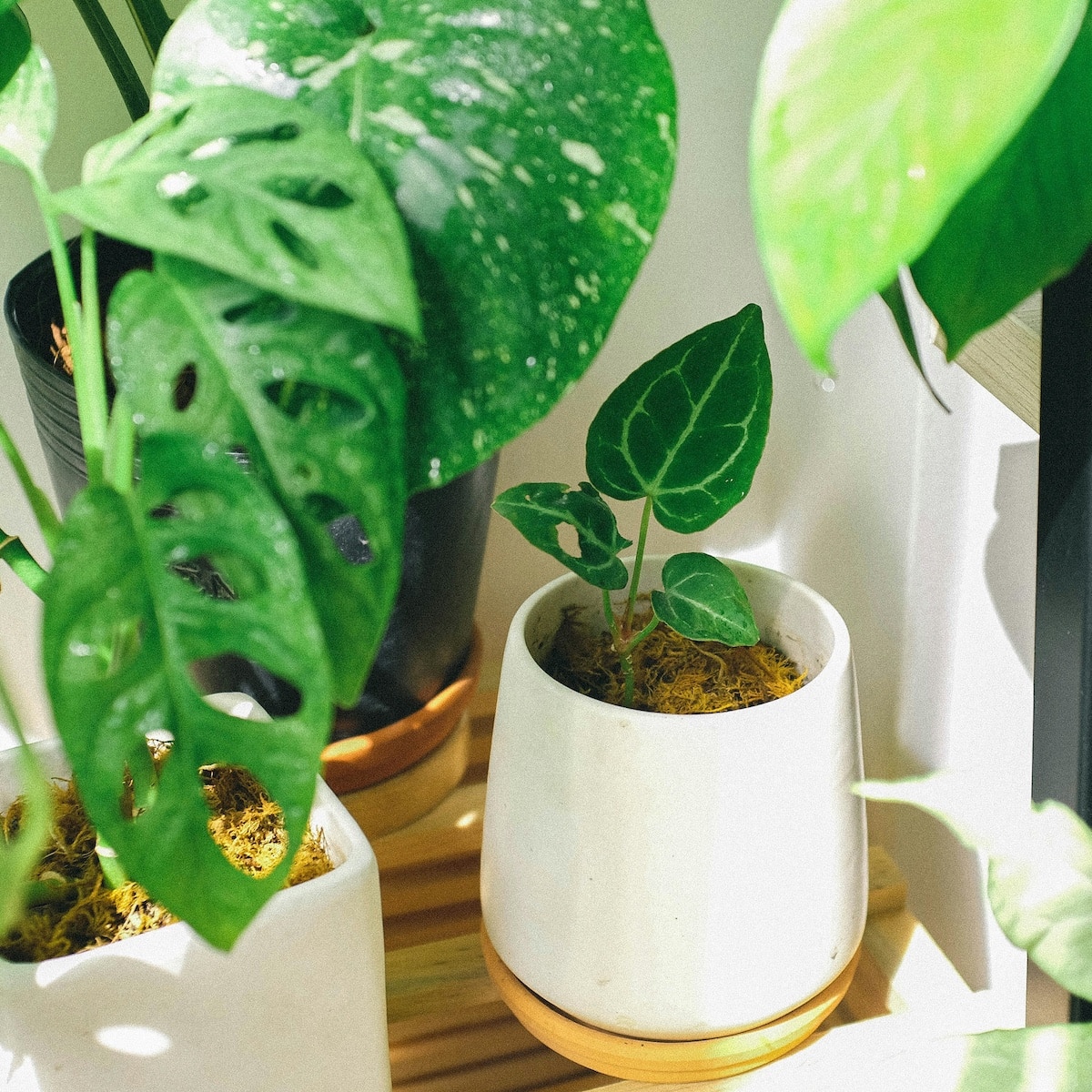
Indoor plants can be used to cleanse the air, provide humidity, and create a tranquil atmosphere.
Here are some tips:
- Selection of plants with air-purification properties: Spider plants, peace lilies, and snake plants are the plants of popular choice.
- One should not overwater to avoid the development of mould in the soil.
- Locate plants in strategic rooms where there is a concern about the quality of the air.
- Use together with air purifiers.
Although they cannot substitute the filtration systems on their own, plants make the indoor environment healthier and contribute to the aesthetic value of your house.
In Conclusion
The problem of indoor air quality needs a mixture of actions. Install purifying and air cleaners.
Following these indoor air quality tips will keep the air cleaner and healthier, with a decreased risk of allergies and other health issues.
- Parents Are Prioritising Breathable, Sustainable Fabrics For Children's Seasonal Sleepwear
- Our Homemade Christmas Printables, Made With AI: What Worked, What Didn't, and What I'm Saving for Next Year
- At-Home vs. In-Lounge IV Therapy in the Hudson Valley: Which Makes More Sense?
- Can Passengers Pursue Compensation After a Car Accident?




When homeowners are proactive, they can enjoy a safer, more comfortable, and energy-efficient home.





Leave a Reply