

A handmade shirt can remain a one-off until friends start asking where they can buy one. At that point, a custom streetwear manufacturer may sound like a giant leap from a craft table, but the real change is smaller and more useful: you need to turn an idea into a garment someone else can receive twice, wash, and wear.
That shift suits the creative spirit behind family crafts, personalized gifts, and home projects. It also forces a few choices that a quick print-on-demand order can hide.
What should the fabric feel like? Where should the artwork sit? Which parts must stay consistent when the same design is made in several sizes? A good first run answers those questions before the idea becomes a disappointing box of inventory.
Jump to:
The Moment A Craft Becomes A Product
A DIY project starts with expression. A product starts with a promise. The maker promises a certain fit, a certain color direction, and a repeatable finish.
That promise does not remove the handmade character. It gives the character a form that can travel beyond the original photo, classroom table, or holiday activity.
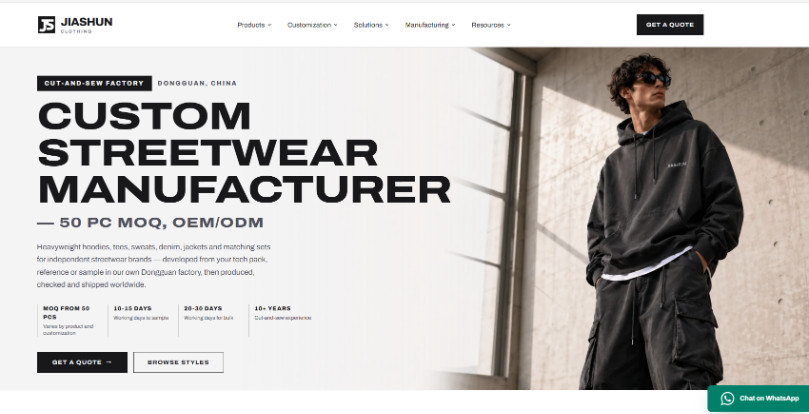
Jiashun Clothing describes its work around made-to-order reference styles rather than ready-made stock.
A buyer can begin with a tech pack, a reference image, or a physical sample, then discuss the garment category and the details that make the idea recognizable.
The website lists a minimum starting at 50 pieces, while the final minimum can change with the product, fabric, wash, and customization.
One Idea Needs A Repeatable Spec
The first version deserves a test protocol, even when the project still feels playful.
Write down the garment's job in ordinary words: soft family tee, structured oversized hoodie, washable event top, or small capsule for a creator's audience.
Then note the reference fit, the artwork location, the color direction, and the part that must remain recognizable from one piece to the next.
This short brief protects the idea from vague approval language. “Make it premium” gives a production team nothing to measure.
“Use a boxy shape, a firm hand, a chest graphic that stays clear, and a soft neutral palette” gives the sample a direction.
The more decisions you make visible, the less time the project spends circling around adjectives.
A Garment Carries More Choices Than A Graphic
A drawing may be the emotional center of a project, but the garment carries the viewer's first physical impression. A thin tee drapes differently from a structured one.
A large print changes how a front panel reads when the wearer moves. A wash can soften the surface, shift the color, and change how the artwork sits near a seam.
Jiashun Clothing works across fabric, fit, artwork, washing, trims, labels, and packing during sample development.
That combination matters for a DIY creator because the final result has to work in the hand as well as in a mood board.
A warped collar, muddy print edge, or hem that twists after washing can make a charming idea feel unfinished.
Start With The Garment's Real Job
Creative projects often begin with a picture. Production should begin with the moment in which someone will use the garment.
A soft tee may suit a family craft day, while a heavyweight hoodie may carry a seasonal illustration into outdoor photos and repeated wear. A matching set may need color and fit to stay balanced across two pieces.
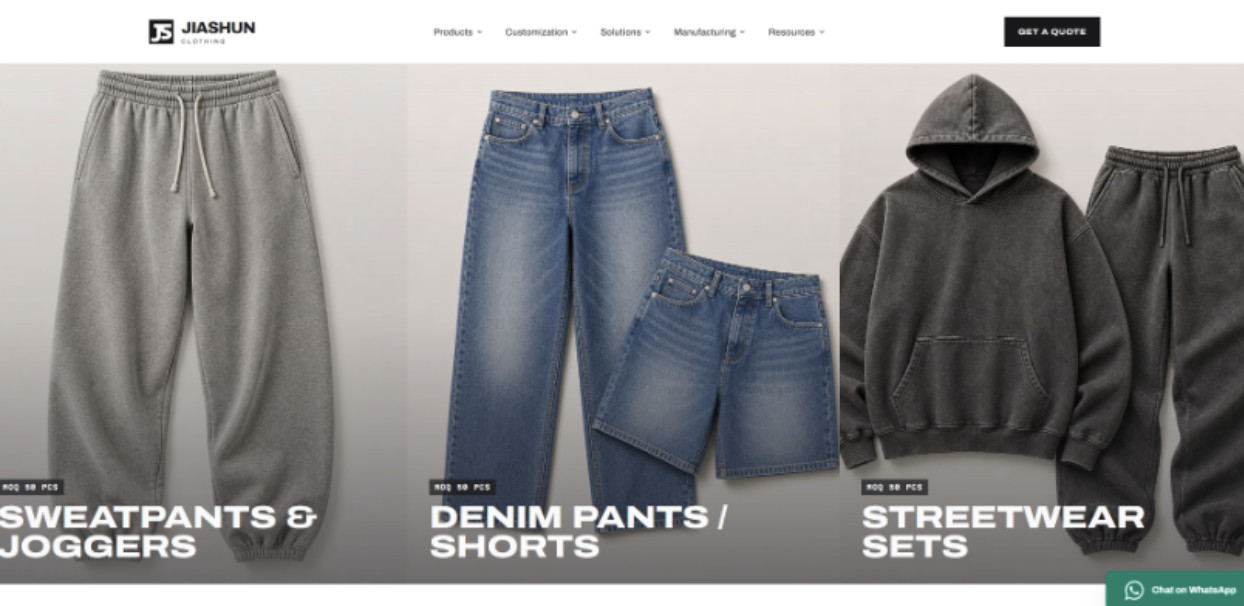
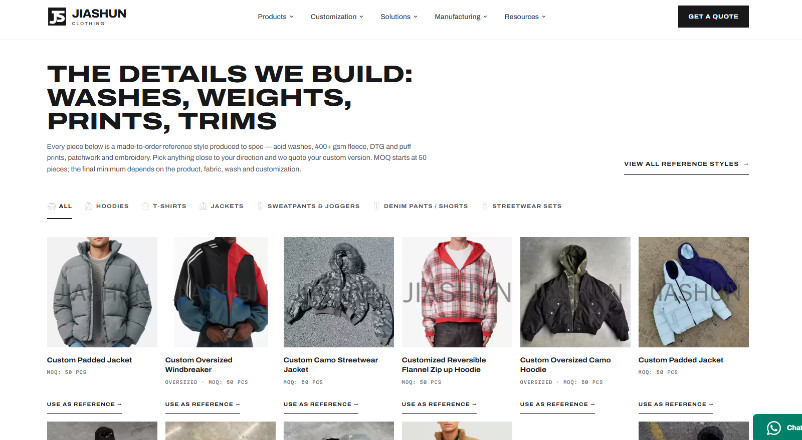
That is why a maker should choose the base garment before polishing every decorative detail. The website groups its reference styles by hoodies, T-shirts, jackets, sweatpants, denim, and sets.
Starting with one category keeps the brief legible. It also gives the factory a real object against which to discuss fabric weight, construction, decoration, and quantity.
- Choose the moment of use: play, gifting, photography, or everyday wear.
- Choose the physical promise: soft drape, structured shape, warmth, or easy movement.
- Choose the detail that must survive repetition: artwork placement, wash, label, or color.
Fit And Fabric Change The Result
A 250 GSM tee can hold a boxy shoulder line in a way that a much lighter jersey cannot. A 400 GSM fleece hoodie carries a raised print differently from a thin summer top. Those are not rules for every design, but they are useful questions to bring to a sample.
Ask whether the chosen weight supports the silhouette, whether the decoration suits the surface, and whether the finished piece will feel right in the season where people will wear it.
When a custom t-shirt manufacturer reviews the brief, the useful conversation is about the relationship between the artwork and the cloth. A vector file, a placement map, and a reference garment can answer more than a long description of the mood.
If the first version shows a print that is unreadable at the intended distance or a shape that collapses on the body, the maker has learned something specific.
A Sample Earns The Right To Scale
The sample stage is where the creative idea meets gravity. A flat design can look balanced on a screen and lose its character when it wraps over a chest, crosses a pocket, or meets a ribbed cuff.
The physical piece also exposes small decisions that a mockup cannot settle, such as label placement, packing notes, and the way a wash changes the surface.
Jiashun Clothing says new styles normally use a paid sample for fit, fabric, artwork, and quality review before bulk production. That sequence gives a small project a sensible gate.
The maker can approve the parts that matter, record the changes, and decide whether the design deserves a wider run.
Approval Is More Than A Pretty Mockup
Use the sample as a small inspection session. Look at the front and back. Put it on a real body or compare it with the intended size chart. Move the arms, sit down, and inspect the artwork where the fabric folds.
Check the seams, the hand feel, the color under normal light, and the way the decoration sits beside the construction.
The cost of skipping this step appears later as rework. A wrong shoulder proportion can force a new pattern. A print placed too close to a seam can require a revised artwork map.
A wash that changes the color direction can turn product photos into an apology. A version with a cracked finish or a twisted side seam would never clear a small collection's approval.
The Small Run Keeps Creativity Honest
A 50-piece minimum does not make a project risk-free. It makes the risk visible enough to discuss.
The maker has to decide which design deserves the first run, how many sizes are practical, and whether the same idea will still make sense outside the original photograph.
That discipline can strengthen the creative work because it removes details that only looked good in a single mockup.
It also changes the way a creator thinks about variety. Instead of launching six unrelated garments, a small capsule can carry one clear visual idea through a tee, a hoodie, or a coordinated piece.
The color palette can stay coherent. The artwork can have room to breathe. The sample can answer the difficult questions before more than one style enters the order.
For a home project, the best evidence may be ordinary. The fabric should feel pleasant when someone picks it up. The size should make sense without a long explanation.
The print should survive the distance between a close photograph and a real wash. If the item fails one of those checks, the creator can change the brief while the decision is still manageable.
- Parents Are Prioritising Breathable, Sustainable Fabrics For Children's Seasonal Sleepwear
- Our Homemade Christmas Printables, Made With AI: What Worked, What Didn't, and What I'm Saving for Next Year
- At-Home vs. In-Lounge IV Therapy in the Hudson Valley: Which Makes More Sense?
- Can Passengers Pursue Compensation After a Car Accident?




Keep The First Collection Small Enough To Learn
The practical fit is a maker who has moved beyond a single personalized item and wants a real cut-and-sew sample, a defined small batch, and room to discuss fabric, fit, decoration, and branding together.
Jiashun Clothing's process begins with a brief, moves through sample approval, and then carries the approved direction into production.
The right next step is not to make every DIY idea at once. Choose the one garment that carries the clearest promise, define how it should feel and move, and let the sample challenge the picture.
A small collection becomes more convincing when the finished clothing can stand on its own after the craft-table story has ended.





Leave a Reply