

A tricky yard can still become a useful outdoor spot. A slope, narrow side area, or odd corner may just need a better plan.
The right mix of paths, plants, patios, and levels can change how the space feels, and professional help can make those choices easier to map out.
Here are five ideas that can help turn hard-to-use areas into practical outdoor zones.
Jump to:
1. Use Levels for a Sloped Yard
A sloped yard can feel hard to use when every step feels uneven. For example, landscape design services for outdoor spaces may use levels to divide the area into safe, useful sections.
Small terraces can create places for seats, plants, or a fire feature. This adds structure without forcing the yard to feel too formal.
Retaining walls, short steps, and tiered beds can help control the slope. They also guide foot traffic and reduce wasted space.
Stone, pavers, or wood can give each level a clear purpose. A simple plan helps the slope feel like part of the design.
2. Create Zones in a Small Yard
A small yard works best when each section has a clear job. One corner can hold a table, another can fit plants, and a path can connect both.
This makes the space feel organized. It also avoids a cramped layout.
Keep Each Zone Simple
Too much furniture can crowd a small area fast. Choose pieces that fit the scale of the yard.
Built-in benches or compact planters can save room. A clean layout can make a small yard feel open.
3. Turn Awkward Corners Into Features
Odd corners do not have to stay empty. A narrow side yard, angled fence line, or tucked-away patch can serve a purpose.
These spots can hold a small garden, water feature, or quiet bench. The key is to work with the shape.
Useful ideas include:
- Corner planter bed
- Gravel path
- Small patio seat
- Vertical garden
- Accent light
- Simple water bowl
Add Paths That Guide the Space
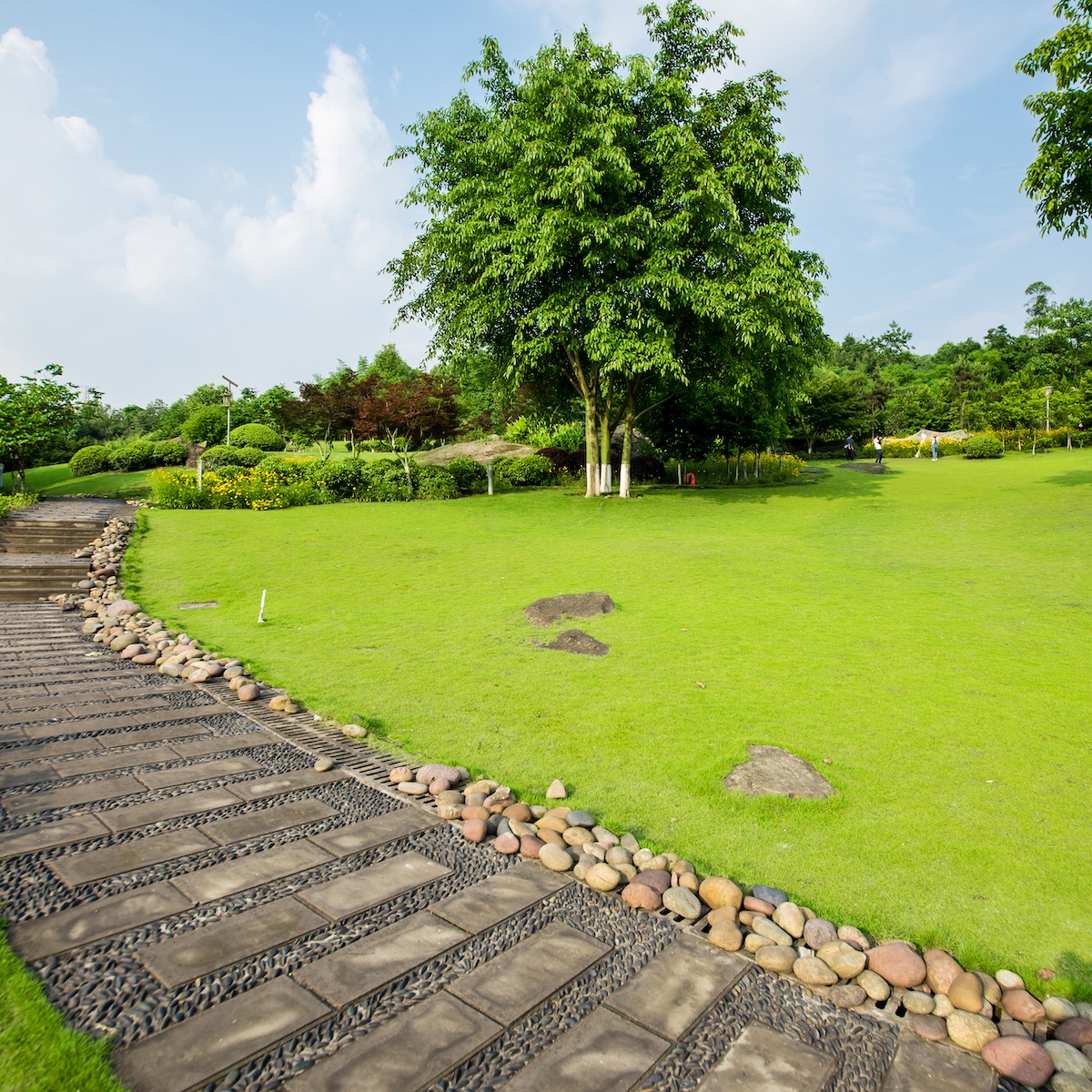
A path can make an awkward yard feel easier to use and more connected. It gives the eye a clear route while also linking separate areas such as a patio, garden bed, gate, or seating spot.
Curved paths can soften sharp corners and help a tight yard feel less rigid. Straight paths can suit narrow side spaces and create a clean, simple flow.
Materials matter because they affect both style and upkeep. Gravel, pavers, stone, and concrete each create a different feel.
Gravel in particular is affordable, drains well, and is easy to refresh season after season. Sourcing it from a reliable bulk materials supplier like Hello Gravel helps ensure consistent sizing, clean stone, and delivery you can plan around.
Landscape design services for outdoor spaces may use visual plans or outdoor renderings to test those choices first. Seeing the layout early can help avoid costly changes.
Choose Plants That Fit the Yard
Plants should match the space, sunlight, and slope. Deep-rooted plants can help on hills, while compact shrubs work well near patios.
Vertical plants can add height without using much ground space. Low plants can keep views open.
- Parents Are Prioritising Breathable, Sustainable Fabrics For Children's Seasonal Sleepwear
- Our Homemade Christmas Printables, Made With AI: What Worked, What Didn't, and What I'm Saving for Next Year
- At-Home vs. In-Lounge IV Therapy in the Hudson Valley: Which Makes More Sense?
- Can Passengers Pursue Compensation After a Car Accident?




Plant choice should also fit the level of upkeep desired. A small yard can feel busy if plant beds need constant trim work. Native or hardy plants may reduce extra effort. The best plant plan supports the shape of the yard.
Sloped, small, or awkward yards need clear ideas more than extra size. Levels can help with hills, zones can improve tight areas, and paths can connect odd shapes.
Corners, plants, and hardscape choices also play a big role in the final result. With a thoughtful plan, a difficult yard can feel more useful, balanced, and inviting.





Leave a Reply