

How to Design A More Peaceful Home begins with creating an environment that nurtures relaxation and mindfulness.
Incorporating natural light, soft textures, and soothing color palettes encourages a sense of balance and comfort.
Minimising clutter, introducing greenery, and using gentle lighting can instantly transform a space into a calm retreat.
Thoughtful design choices not only enhance visual appeal but also support emotional well-being and focus.
By curating spaces that reflect simplicity and warmth, you can turn your home into a sanctuary that restores both mind and body.
Jump to:
Choosing Colors That Create Calm
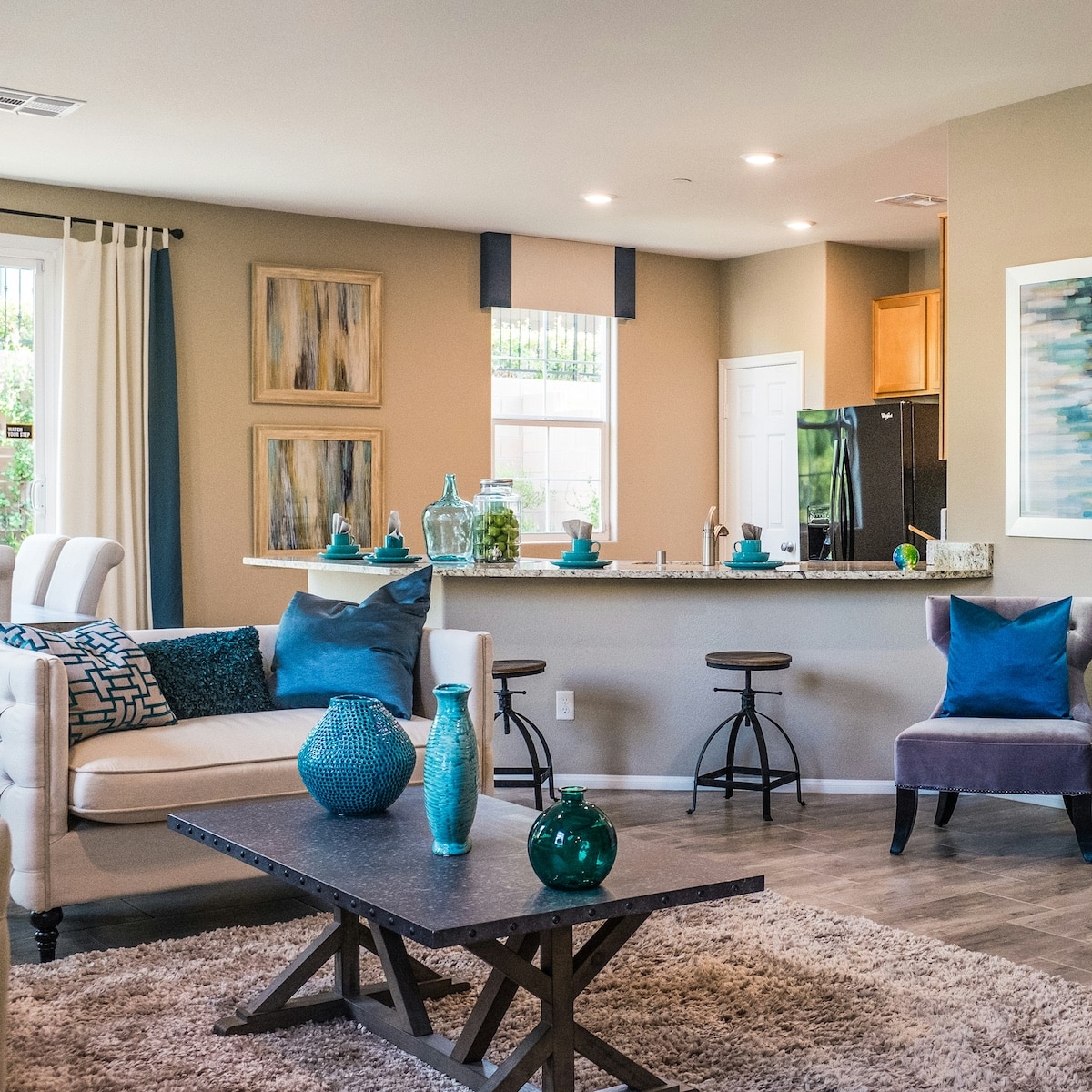
Color sets the tone of a space and affects how the mind responds to its surroundings. Soft, muted tones such as pale blue, warm beige, or sage green promote tranquility.
These colors reduce visual clutter and help the eye rest. Bold or saturated shades energize but can overwhelm when used in large areas.
To achieve balance, focus on neutrals and natural hues that complement each other. White walls paired with light woods or soft fabrics create a soothing palette.
Accent colors such as blush, sand, or taupe add warmth without creating a distraction.
In shared areas, cohesive color schemes create flow from one room to the next. The result is an environment that feels unified and gentle, encouraging calm in every space.
Simplifying Layouts for Better Flow
Cluttered layouts contribute to mental fatigue. Furniture placement should allow easy movement and natural pathways through each room.
Open spaces create a sense of freedom, while overcrowding leads to tension.
Before rearranging furniture, consider how you move through the space each day. Grouping items based on function makes a home feel intuitive and organized.
A living room arranged around conversation rather than screens encourages connection.
A bedroom centered around rest rather than storage promotes sleep.
Leaving space between furnishings invites air and light to flow freely. Simplicity restores balance and prevents sensory overload.
Incorporating Natural Materials
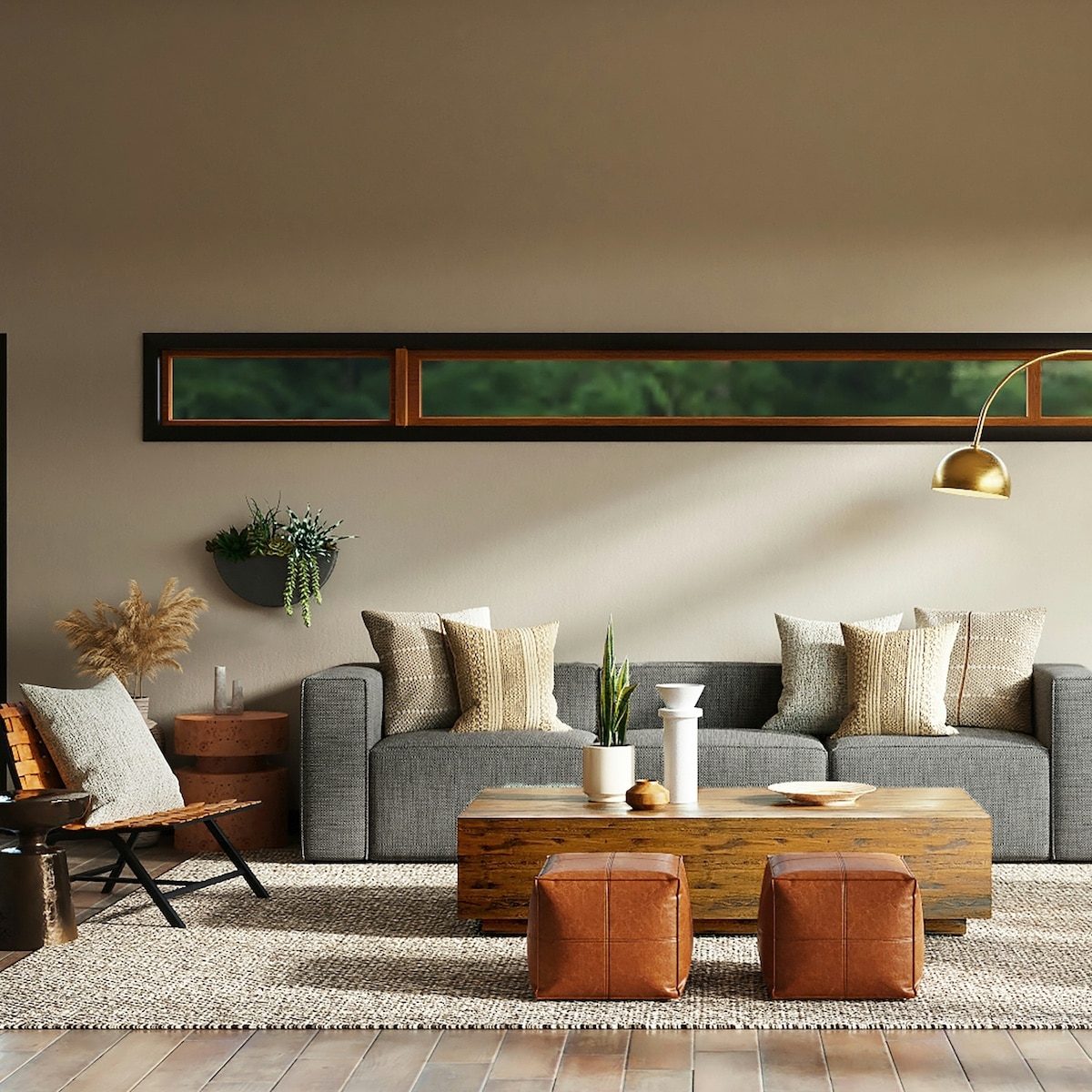
Natural materials ground a space and bring comfort through texture. Wood, stone, cotton, and linen connect interiors to the earth, offering warmth and authenticity.
These materials soften hard surfaces and improve acoustic quality, reducing harsh echoes that contribute to stress.
Wood furniture with visible grain patterns creates visual calm. Woven rugs and textured fabrics add depth without visual clutter.
Plants introduce organic shapes that relax the mind and improve air quality.
Natural design appeals to the senses while promoting a quiet atmosphere.
A study in Environmental Psychology Review found that environments featuring natural materials reduced stress levels by nearly 30%, showing the powerful link between design and emotional well-being.
Enhancing Comfort With Soft Surfaces
Comfort plays a major role in a peaceful home. Soft surfaces absorb noise and invite relaxation. Area rugs, curtains, and upholstery contribute to a serene setting by reducing echo and hard edges.
Well-placed textiles transform the way a room feels. A thick rug beneath a sofa or bed anchors the space while creating warmth. Curtains filter sunlight, softening brightness during the day.
Cushions and throws introduce tactile comfort that encourages rest. Stairs often act as focal points in open-plan homes.
Incorporating Direct Carpet stair runners provides both function and comfort, reducing noise while adding texture and safety.
This simple detail complements any décor style while maintaining the home’s tranquil flow.
Soft surfaces create sensory balance. They make a home feel welcoming and safe, turning every step and seat into a reminder of comfort.
Managing Lighting for Mood and Balance
Lighting determines how spaces feel throughout the day. Harsh brightness creates tension, while soft, layered lighting encourages calm. Natural light should guide design decisions wherever possible.
Large windows, mirrors, and light curtains help distribute daylight evenly.
For evenings, adjustable lighting supports flexibility. Table lamps, floor lamps, and wall sconces offer soft illumination that eases the mind.
Warm bulbs with lower color temperatures create a gentle glow perfect for unwinding.
Strategic lighting enhances both mood and functionality. Dimmer switches allow gradual adjustments that align with natural rhythms, supporting rest and focus at the right times.
🤖 Looking For An Answer?
Ask AI to summarise this post to see if the article answers your questions:
Organizing for Clarity and Focus
Disorder disrupts peace. Organized homes reduce anxiety and help residents think clearly.
Every item should have a purpose and place. Hidden storage solutions, shelves, and baskets maintain tidiness without visual clutter.
Daily habits support long-term organization. Returning items after use prevents buildup, while minimal décor avoids distraction.
The goal is to create a sense of openness that encourages mental clarity.
Spaces free from clutter promote better sleep, focus, and emotional balance.
An organized home allows energy to move freely, supporting calm in both mind and body.
- Parents Are Prioritising Breathable, Sustainable Fabrics For Children's Seasonal Sleepwear
- Our Homemade Christmas Printables, Made With AI: What Worked, What Didn't, and What I'm Saving for Next Year
- At-Home vs. In-Lounge IV Therapy in the Hudson Valley: Which Makes More Sense?
- Can Passengers Pursue Compensation After a Car Accident?




A peaceful home blends beauty, comfort, and function. Every color, texture, and layout choice influences how a space feels and performs.
Thoughtful design encourages relaxation while supporting daily routines. Through natural materials, organized spaces, soft lighting, and comfortable details, any home can shift from chaos to calm.
Creating harmony within the walls builds an environment that restores energy and nurtures well-being.
A home designed for peace invites serenity into daily life and turns every moment into one of balance and quiet comfort.





Leave a Reply