

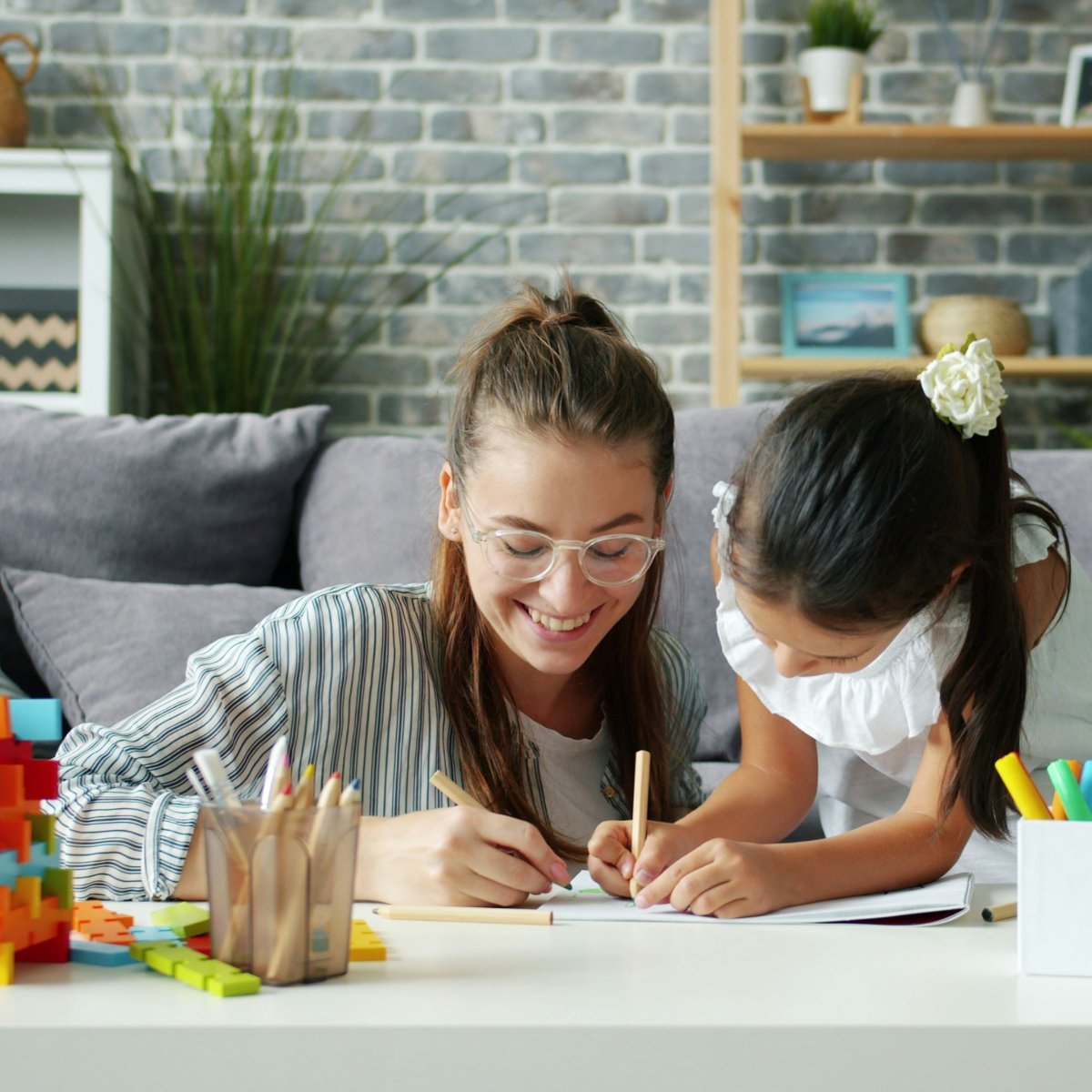
Finding meaningful ways to spend time together has become increasingly important for families. Between work schedules, school commitments, and digital entertainment, it can be difficult to create opportunities for genuine connection. Shared hobbies offer a simple solution by bringing parents and children together through activities that encourage creativity, communication, and continuous learning.
Unlike passive forms of entertainment, creative hobbies allow families to build something together, solve problems, and celebrate progress as a team. Whether the goal is developing a new skill or simply enjoying quality time, these activities often create lasting memories while helping both adults and children discover interests they may never have explored on their own.
Arts and Crafts Encourage Creativity
Creative projects remain one of the easiest hobbies for families to begin. Painting, drawing, sculpting, and crafting allow children to express their imagination while giving parents an opportunity to participate without worrying about perfection.
Art projects also teach patience and problem-solving. Every finished piece reflects individual creativity, making it easy for family members of different ages and skill levels to work together. Parents can encourage experimentation while children gain confidence by seeing their ideas come to life.
Most importantly, creative activities emphasize enjoyment rather than competition, making them suitable for regular family time.
Cooking and Baking Build Everyday Skills
Preparing meals together teaches far more than following recipes. Children learn how to measure ingredients, read instructions, practice basic mathematics, and understand the importance of planning ahead. Parents benefit from having an extra set of helping hands while passing along practical knowledge that children can use throughout their lives.
Trying new cuisines or recreating favorite family recipes can become enjoyable weekend traditions. As children grow older, they often become more confident in the kitchen, developing independence while continuing to appreciate time spent preparing meals together.
Cooking also encourages teamwork, since successful dishes usually require communication and cooperation from everyone involved.
Beauty and Self-Care Can Become Creative Activities
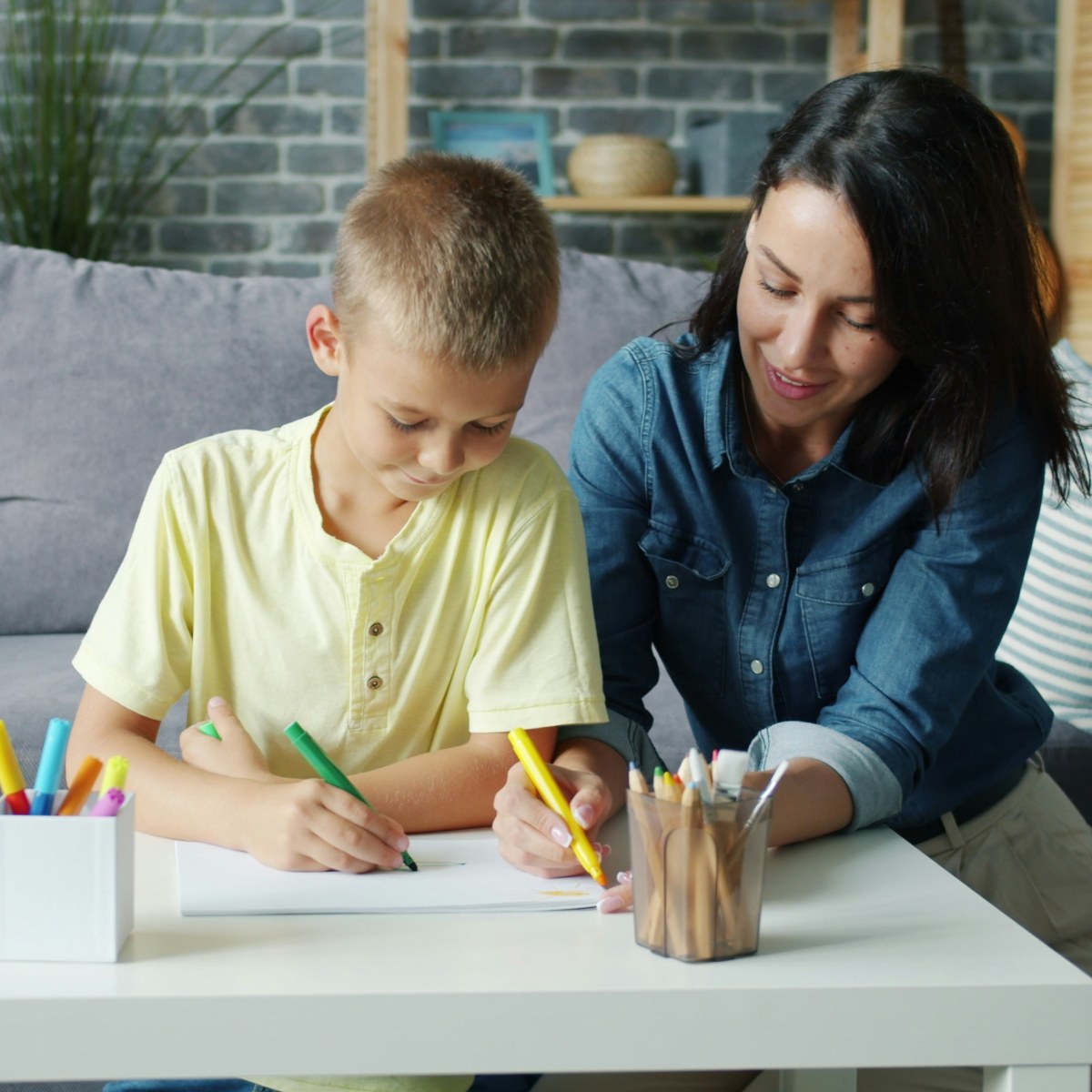
Creative hobbies are not limited to traditional arts. Older children and teenagers often enjoy exploring beauty techniques alongside a parent, learning skills that encourage precision, patience, and personal expression. Activities such as simple manicures, hairstyling practice, or learning about skincare routines can become enjoyable opportunities to spend time together.
Professional beauty brands such as PLA Pro provide products, educational resources, and training materials for lash, nail, and beauty professionals, making them valuable sources of inspiration for families interested in developing creative beauty skills at an age-appropriate level. Whether practicing nail art designs or experimenting with different styling techniques, these shared experiences can become both educational and enjoyable.
The emphasis should always remain on creativity, learning, and having fun together rather than achieving perfection.
Gardening Brings Learning Outdoors
Gardening teaches patience in a way few hobbies can. Children experience firsthand how plants grow over time while learning responsibility through regular watering, pruning, and care. Parents have the opportunity to explain concepts related to nature, weather, and healthy food while enjoying time outside together.
Even small spaces can accommodate container gardens filled with herbs, flowers, or vegetables. Watching plants develop from seeds into mature plants provides a sense of accomplishment that encourages children to stay engaged over many weeks or months.
The hobby also introduces environmental awareness while promoting physical activity away from screens.
Music Helps Families Learn Together
Learning an instrument or simply singing together encourages discipline, listening skills, and self-expression. Families do not need professional training to enjoy music. Singing favorite songs, experimenting with simple instruments, or following beginner lessons together can become enjoyable weekly traditions.
Children often feel more motivated when parents participate alongside them rather than acting only as instructors. Shared learning also demonstrates that making mistakes is a natural part of developing any new skill.
Music creates opportunities for collaboration while allowing every family member to contribute at their own level of experience.
Shared Hobbies Create Lasting Family Memories
The greatest value of creative hobbies extends beyond the skills themselves. Parents and children who regularly learn together develop stronger communication, greater patience, and a deeper appreciation for each other's interests and abilities. Every completed project, successful recipe, growing plant, or newly learned skill becomes part of the family's shared experiences.
These activities also encourage lifelong curiosity. Children who see adults continuing to learn are more likely to develop a positive attitude toward trying new things themselves. Rather than focusing solely on results, families begin valuing the process of learning, improving, and spending meaningful time together.
Ultimately, the most rewarding hobbies are not necessarily the most expensive or technically demanding. They are the ones that bring people together, encourage creativity, and create memories that remain long after the activity itself has ended.





Leave a Reply