

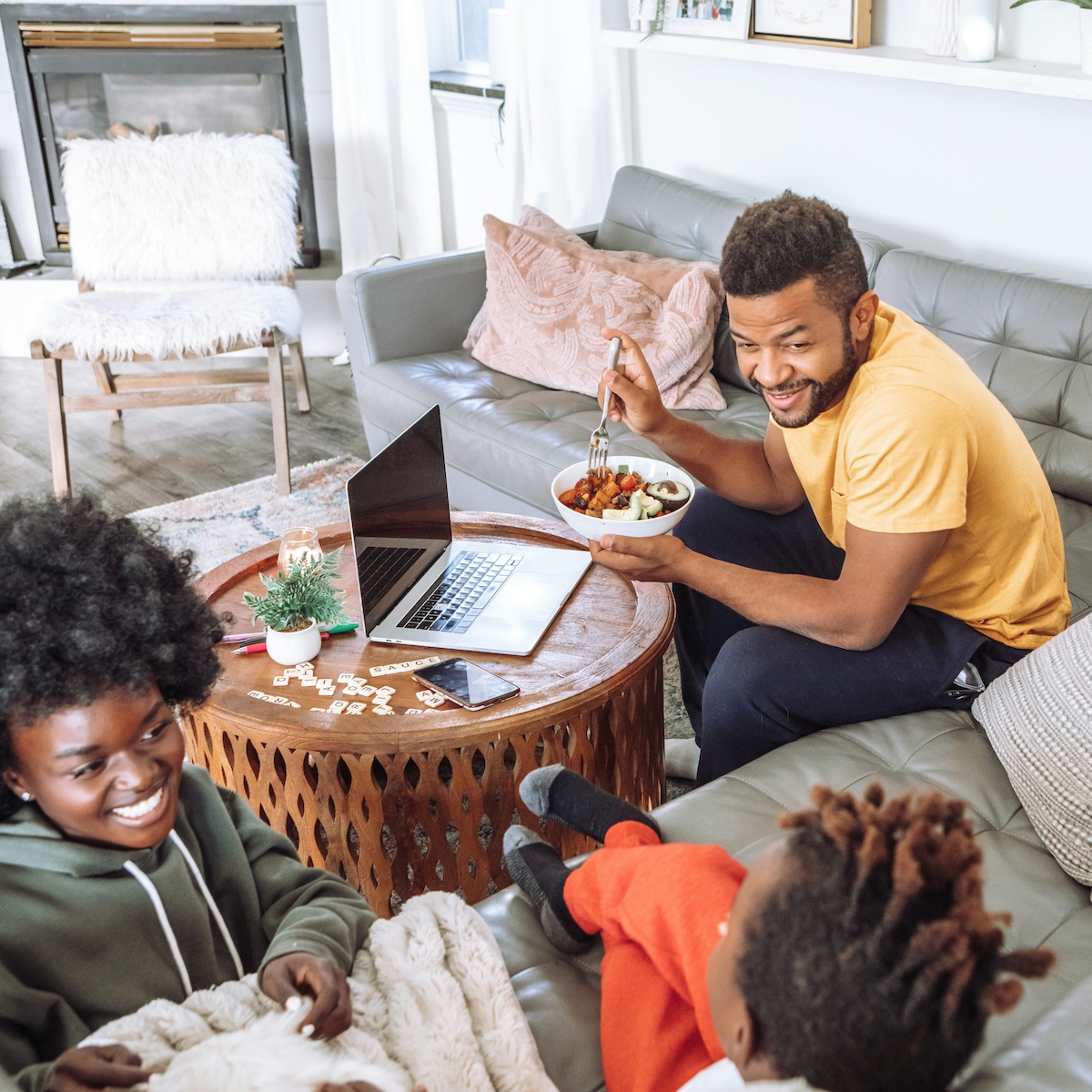
A family living room does a lot of heavy lifting. Designing this space can be tricky because it needs to work for different age groups.
This can be even more important in places with higher numbers of children, teenagers, and young adults. For example, in Cherry Creek, Denver, Colorado, the population includes 8% children aged 0-9, 19% aged 10-19, and 9% aged 20-29.
In such places, families balance warmth and function, whether through soft textures, adaptable seating, or well-made furniture that ages gracefully.
Therefore, they find inspiration in mountain modern furniture in Cherry Creek. These pieces feature clean lines meeting natural materials in a way that feels inviting rather than formal.
Seeing how thoughtful design blends durability with comfort can help shape decisions that last beyond one stage of childhood.
The goal isn’t perfection. It’s creating a living room that feels lived-in, welcoming, and ready to adapt as your family does.
Jump to:
Start With Comfort That Can Handle Real Life
Comfort is the foundation of a cozy living room, but family comfort looks different than showroom comfort. Sofas need to be comfortable enough for lounging but sturdy enough to handle jumping, spills, and daily use.
Fabrics that are easy to clean and forgiving in texture tend to work better than delicate materials, especially during the early years.
Layering softness through pillows, throws, and rugs adds warmth without locking you into a single look. These elements are easy to swap out as tastes change, allowing the room to evolve without major updates.
A neutral base paired with flexible accents gives you room to adjust as kids outgrow certain colors or themes.
According to ELEMENT Home, contemporary furniture can help with living room comfort.
They have features like ergonomic design, multi-functional pieces, and clean lines that reduce visual clutter and promote a sense of calm and spaciousness.
It is also important to note whether you have a “living room family” or a “bedroom family.” In living-room families, members spend a lot of time together in shared spaces, embracing everyday messiness and casual connection.
On the other hand, “bedroom families” tend to retreat to their own rooms for most activities, sometimes even meals, which can feel isolating for kids.
How can lighting affect comfort in a family living room?
Lighting plays a major role in how comfortable a living room feels throughout the day. A mix of overhead lighting, lamps, and natural light helps the space adapt to different activities, such as playtime, reading, or relaxing in the evening. Softer lighting options also create a calmer atmosphere for winding down.
Choose Furniture That Adapts Over Time
One of the smartest ways to future-proof a living room is to choose furniture that works through different phases of family life.
A deep sectional might be perfect for playtime now and still ideal for hosting friends later.
Coffee tables with rounded edges feel safer for younger kids and continue to look polished as they grow older.
Scale matters here. Oversized furniture can overwhelm a room, while pieces that are too small may feel temporary.
Aim for proportions that feel balanced so the room doesn’t need a complete overhaul every few years.
Furniture with simple shapes and timeless finishes tends to adapt more easily than trend-driven designs.
Keeping the seating arrangement flexible is also crucial. When you have smaller kids, you can use extra throw pillows and remove them as they grow up. While throw pillows can make a sofa feel welcoming, there’s such a thing as too many.
Interior designers often suggest placing one to three pillows at each corner of a couch, adjusting the number based on the furniture's size and style. It should look balanced and comfortable without overwhelming the space.
They also note that fewer pillows can work better on shallower or formal sofas, and in some cases, skipping them entirely may be preferable.
Is it better to invest in fewer quality pieces or more budget-friendly furniture?
Choosing fewer well-made pieces often works better for families over time. Quality furniture tends to hold up through daily use and changing needs, while cheaper items may need frequent replacement.
A smaller number of adaptable pieces can evolve with your family without constant updates or added clutter.
Create Zones Without Closing the Space Off
Family living rooms often serve multiple purposes at once. Kids might be building on the floor while adults read or catch up nearby. Creating subtle zones helps everyone feel comfortable without dividing the room into rigid sections.
An article from Homes & Gardens explains that interior designers often make living rooms feel more inviting and social by “zoning” the space. These zones create smaller, purposeful seating areas rather than relying on a single large arrangement.
This approach works in rooms of any size. It can be as simple as creating a pair of chairs facing each other for intimate conversation or adding a separate reading nook.
Using rugs, lighting, and strategic placement, you should aim to foster cozier, more conversational pockets within the room. This helps even expansive spaces feel warmer and more intentional.
As children grow, these zones can shift naturally, turning play areas into homework spots or quiet corners for downtime.
Storage That Blends In, Not Stands Out
Storage is essential, but it doesn’t have to dominate the room. Built-ins, sideboards, or closed shelving can hide toys and games while still looking intentional. When storage looks like part of the design, tidying up feels less overwhelming, and the room stays visually calm.
As kids get older, storage needs change. What once held blocks and board books might later store electronics, art supplies, or family games.
Choosing storage that doesn’t scream “kids’ room” helps the living room grow alongside your family without feeling dated.
Vertical storage solutions are also ideal because they take up little space. Anne Hathaway’s living room is a standout example of clever interior design, featuring a vertical storage solution.
The storage makes the most of architectural features like an A-frame ceiling by integrating shelving into exposed beams, enhancing both space and style.
Designed by Pamela Shamshiri, this approach draws the eye upward, creates a sense of openness, and turns walls into a curated display.
Even those without custom built-ins can apply the same idea with freestanding vertical shelving that adds storage and visual interest to a room.
What role does hidden storage play in reducing visual stress?
Hidden storage reduces visual clutter, which can lower stress levels in shared spaces. When toys, electronics, or paperwork are out of sight, the room feels calmer and more restful. This is especially helpful in living rooms that serve multiple purposes throughout the day.
- Parents Are Prioritising Breathable, Sustainable Fabrics For Children's Seasonal Sleepwear
- Our Homemade Christmas Printables, Made With AI: What Worked, What Didn't, and What I'm Saving for Next Year
- At-Home vs. In-Lounge IV Therapy in the Hudson Valley: Which Makes More Sense?
- Can Passengers Pursue Compensation After a Car Accident?




Designing a family living room isn’t about getting everything right from the start. It’s about making thoughtful choices that allow the space to change naturally.
When comfort, flexibility, and personal touches come together, the room becomes more than just a place to sit.
Over time, the toys will change, routines will shift, and styles may evolve. A well-designed living room can handle all of that while remaining warm, welcoming, and unmistakably yours.





Leave a Reply