

A backyard often has to do two very different jobs. On some days it needs to be a quiet place where you can read, rest, or enjoy a morning coffee in peace.
On other days it needs to welcome friends, family, and neighbors for meals, games, and long conversations.
When one open space tries to serve both purposes at once, neither works as well as it could.
The good news is that with careful planning, you can shape your outdoor space into clear areas, each with its own purpose, feel, and comfort level.
Jump to:
- Building a Strong Base for Each Outdoor Zone
- Start by Studying How You Use the Space
- Use Distance and Placement to Create Natural Separation
- Define Boundaries With Plants and Screens
- Choose Furniture That Matches Each Purpose
- Use Lighting to Set Different Moods
- Add Sound and Sensory Details
- Plan for Comfort Through the Seasons
Building a Strong Base for Each Outdoor Zone
Every well-planned backyard starts with a solid surface that gives each area a clear shape and a sense of permanence.
A raised deck is one of the most effective ways to create that base, because its edges and levels naturally separate one part of the yard from another.
When the structure is built well, it can hold a lounge corner on one side and a dining space on the other without either feeling cramped.
Planning that kind of layout takes skill, which is why many homeowners hire experienced deck builders who can design multiple levels, choose suitable wood or composite materials, and shape the structure around the way the family actually lives.
A thoughtfully built foundation makes every other choice in the backyard easier to carry out.
Start by Studying How You Use the Space
Before moving a single chair, spend time observing how your household uses the yard throughout the week.
Notice where people naturally gather, where the sun falls in the afternoon, and which spots stay shaded and cool.
Pay attention to where noise travels and which corners feel tucked away from the house and the street.
The sunniest, most open spot near the kitchen door is often ideal for hosting, since guests and food can move easily between indoors and outdoors.
A quieter corner farther from the house, perhaps near trees or a fence line, usually makes a better retreat. Writing down these observations helps you plan around real habits rather than guesses.
Use Distance and Placement to Create Natural Separation
The simplest way to keep two areas apart is to give them some physical distance.
Place the gathering space closer to the house, where access to the kitchen, lighting, and power outlets is convenient. Then set the calm retreat farther out, where the sounds of conversation and music fade.
Even in a smaller yard, a few steps of separation can make a real difference. Angling seating away from the main gathering area helps a quiet nook feel private.
Facing a reading chair toward the garden instead of the patio table shifts attention away from activity and toward the view.
Placement alone can tell people which area is meant for socializing and which is meant for unwinding.
Define Boundaries With Plants and Screens
Living borders are one of the most attractive ways to divide an outdoor space. Tall grasses, flowering shrubs, and potted trees can form soft walls that block sightlines without making the yard feel closed in.
They also add color, texture, and a gentle sense of enclosure that makes a relaxation area feel like a hidden garden room.
If you want quicker results, freestanding screens, lattice panels, and trellises work well. A trellis covered in climbing vines offers privacy and beauty at the same time.
Outdoor curtains hung from a pergola can be drawn closed for an afternoon nap and opened again when guests arrive.
Choose Furniture That Matches Each Purpose
Furniture does a lot of the work in signalling how a space should be used. For a relaxation area, choose deep cushioned loungers, hammocks, hanging chairs, or a wide daybed.
Soft fabrics, plenty of pillows, and a small side table for a drink or book create an inviting place to slow down.
For entertaining, think about seating that encourages conversation and movement.
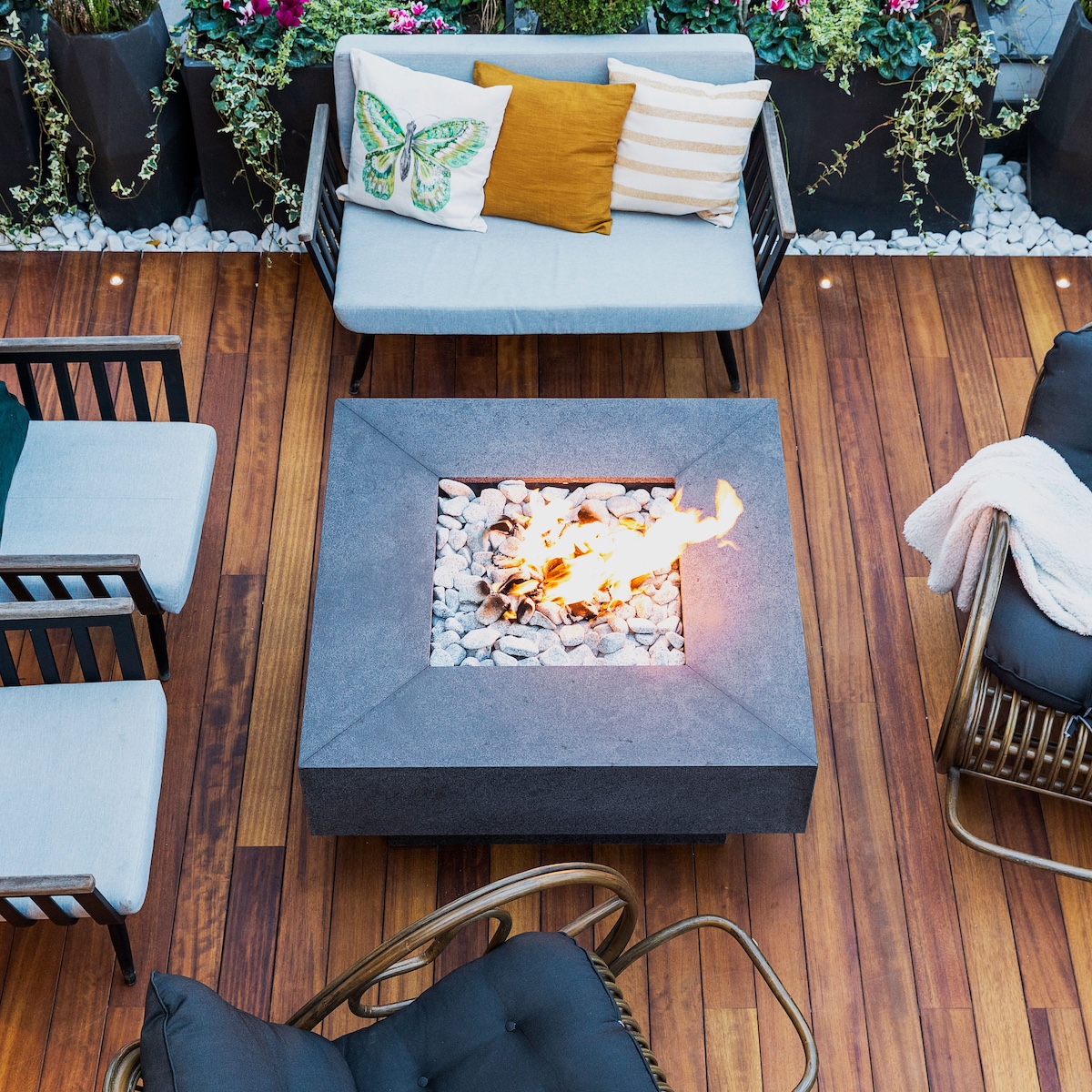
A large dining table, a sectional sofa arranged around a low table, or a set of chairs circling a fire pit gives guests room to talk and share food. Keeping the two styles distinct helps each zone feel intentional.
Use Lighting to Set Different Moods
Lighting can transform the same yard into two different experiences after dark. In the gathering area, brighter and more functional lighting helps people see food, drinks, and each other clearly.
String lights overhead, lanterns on the table, and lights along walkways create a lively and welcoming atmosphere.
The retreat calls for something softer. Low lamps, warm-toned bulbs, candles in protective holders, and subtle path lights keep the area calm and restful.
Placing lights on separate switches or timers lets you brighten the hosting space while keeping the quiet corner dim.
Add Sound and Sensory Details
Sound has a strong effect on how a space feels. A small water fountain or a gentle wind chime near the retreat can mask background noise and create a soothing rhythm.
Fragrant plants such as lavender, jasmine, or mint add a pleasant scent that encourages people to slow down and breathe.
In the hosting area, an outdoor speaker can provide music without disturbing the rest of the yard if it is placed carefully and pointed away from the quiet zone. Thinking about all of the senses makes each area feel complete.
Plan for Comfort Through the Seasons
A backyard that works only in perfect weather will sit empty for much of the year. Shade sails, umbrellas, and pergolas protect both areas from strong midday sun.




A fire pit or outdoor heater extends evening gatherings into cooler months, while a covered nook keeps the relaxation space usable during light rain.
Storage matters too. Weatherproof benches and bins keep cushions, blankets, and games close at hand while protecting them from the elements.
When both spaces stay comfortable and organized, your family will use them far more often, and the backyard will feel like a true extension of your home.





Leave a Reply