

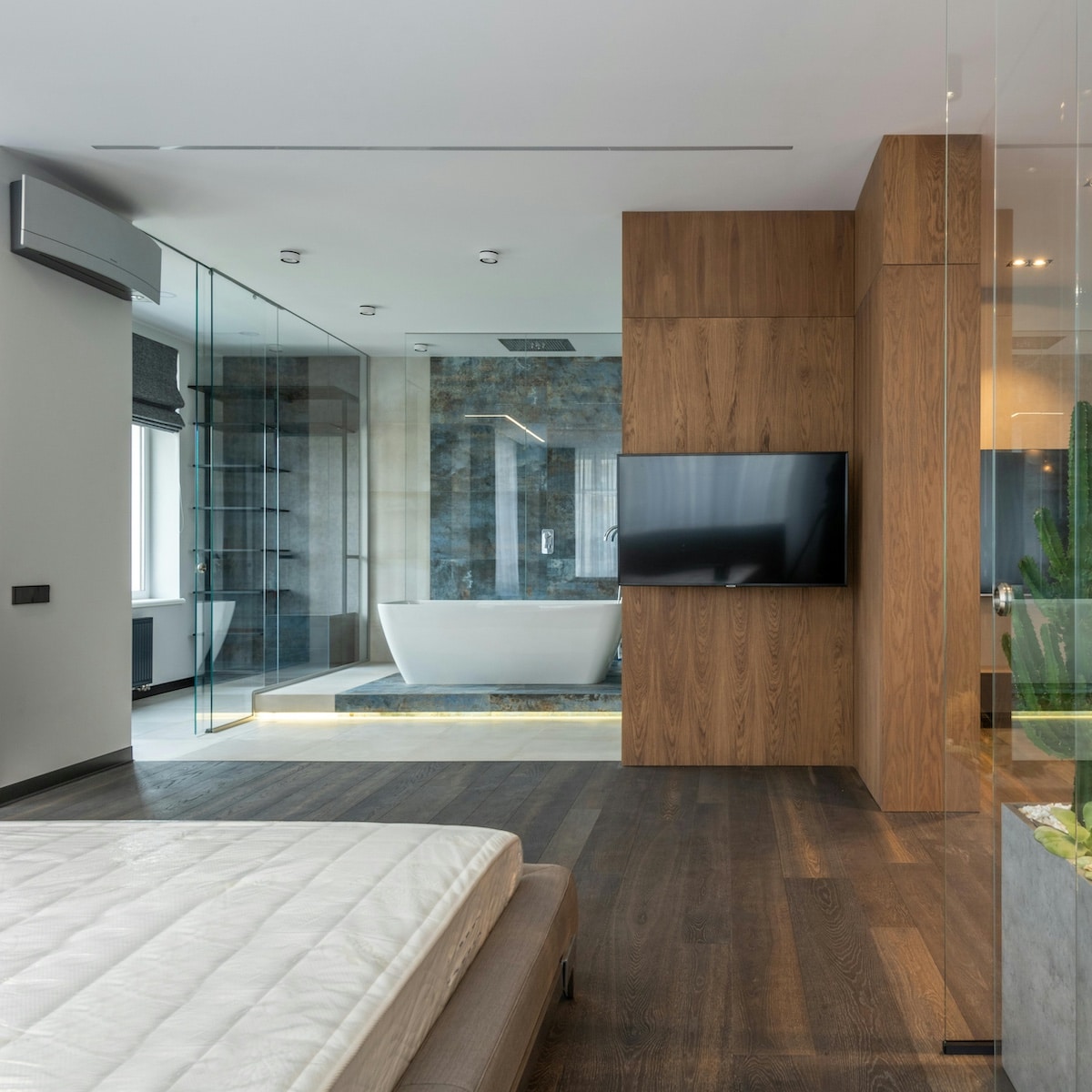
Design Strategies That Create a More Relaxing Living Space focus on combining aesthetics with emotional comfort to cultivate peace and balance at home.
Soft, neutral color palettes like beige, sage, or sky blue help calm the mind, while natural textures such as wood, linen, and stone add warmth and grounding.
Incorporating layered lighting, mixing ambient, task, and accent lights, creates a gentle, welcoming glow that supports relaxation.
Decluttering and thoughtful furniture placement promote better flow and openness, enhancing a sense of calm.
Adding indoor plants, cozy textiles, and subtle scents further elevates serenity, transforming your home into a true sanctuary.
Jump to:
Choosing Soothing Color Palettes
Color has a profound effect on emotions and mood. Opting for soft hues such as light blues, gentle greens, or warm neutrals cements a calming ambiance. These shades have been shown to evoke feelings of tranquility and serenity.
While splashes of bolder colors can add character, they should be used thoughtfully to avoid overwhelming the senses. Consider leveraging accent walls or decorative pieces to enhance a relaxed feel without dominating the space. Balance plays a critical role; achieving harmony in color serves to elevate the living experience.
Transitioning to a more peaceful space can begin with thoughtful color selection. Use pastels for larger areas and vibrant accents for smaller details. This not only creates contrast but fosters a serene atmosphere, making it easier to embrace relaxation. Visual appeal directly correlates with mental states, making color choice integral for stress reduction.
Incorporating Natural Elements
Integrating natural elements into a living space increases feelings of tranquility. Plants enhance air quality and bring life into the home. The presence of greenery has been linked to improved mental health, reducing feelings of exhaustion.
Wooden textures and materials evoke warmth and comfort, further bridging the indoor space with nature. Using natural fibers in rugs and textiles can create a softer atmosphere while elevating tactile experiences. The organic feel helps ground the environment, instilling peace among decorative choices.
Water features, whether a small fountain or decorative pond, can contribute auditory serenity, creating gentle background noise that quiets the mind. Lightly scented candles or important oil diffusers enhance relaxation by engaging the olfactory senses. Seeking a connection to nature within the home helps cultivate an environment that is both calming and revitalizing.
Maximizing Space and Layout
Space layout can significantly influence how relaxing a living area feels. High levels of clutter can increase stress levels, while openness encourages serenity. Designing spaces with consideration for flow promotes ease of movement and reduces distractions.
Furniture should be arranged to allow for clear pathways. This creates a sense of order and enhances functionality. Multitasking furniture pieces, like ottomans that serve as both seating and storage, can dramatically simplify a layout.
Open-concept designs lend a comforting sense of spaciousness and light. When feasible, removing walls can help unify spaces, making them appear larger and more inviting. A well-considered layout guides activities in an organized manner, fostering relaxation rather than chaos.
🤖 Looking For An Answer?
Ask AI to summarise this post to see if the article answers your questions:
Incorporating Personal Touches
The inclusion of personal touches personalizes a living space, making it uniquely comforting. Items of sentimental value, such as artwork, family photos, or travel memorabilia, create warmth and evoke positive memories. Viewing cherished possessions daily enhances emotional resilience, aiding in stress reduction.
Taking time to curate decorations that reflect individual interests contributes to a sense of belonging within the environment. Consistency in themes, styles, or materials across decor helps reinforce a cohesive atmosphere, further enhancing relaxation.
A tailored display of personal treasures provides an inviting atmosphere for both residents and guests. For those desiring more tips on how to create a sanctuary, visit and continue to the website that provides additional resources to enhance your living experience. Curating spaces that inspire joy and comfort paves the way for fostering peace in everyday life.
Strategic Lighting Choices
Lighting plays a pivotal role in the mood of a home. Soft, natural light is ideal, as it evokes warmth and comfort. Choosing light fixtures that allow for dimming options helps recreate varying levels of brightness based on activity and time of day.
Layered lighting, which combines ambient, task, and accent lighting, allows individuals to modify the atmosphere based on their needs. Illuminating artwork or architectural details can provide interest without overwhelming the senses.
Utilizing a balance of natural and artificial light can create a dynamic yet calming environment. Soft white bulbs replicate natural light and prevent harshness. Maintaining cozy lighting fulfills both aesthetic and functional roles, ensuring spaces feel inviting while promoting relaxation for all who enter the room.
Creating Intimate Spaces
Designing intimate spaces within a larger living environment can greatly enhance relaxation. Nooks such as reading corners or meditation areas provide dedicated zones for unwinding. A strategically placed chair next to a window can cultivate a perfect reading spot, encouraging spending more time in that restorative environment.
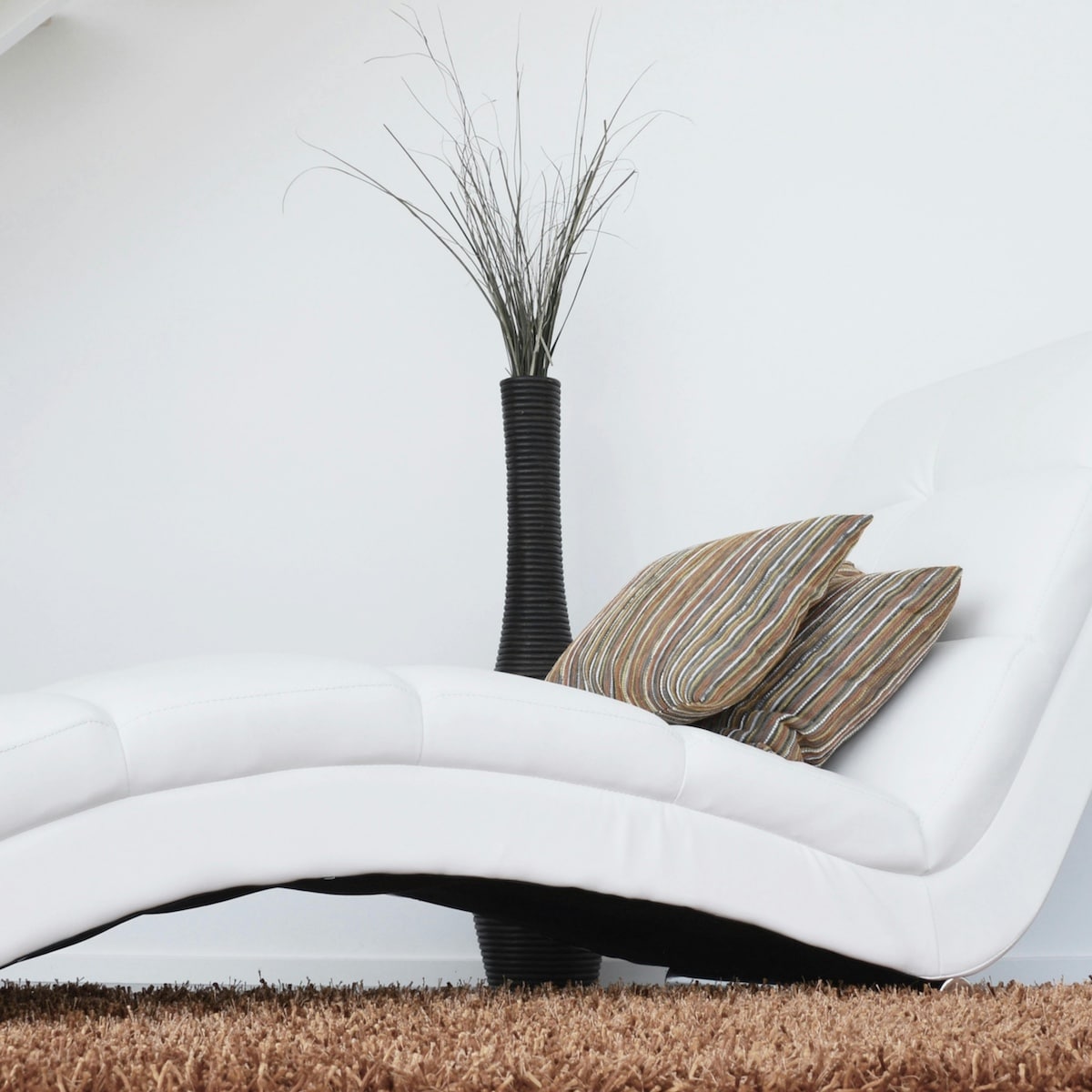
Soft furnishings, such as plush throws and cushions, make these spaces more appealing. A dose of comfort, in the form of cozy textiles, invites individuals to linger longer. By fostering these inviting areas, the home becomes an oasis where one can escape daily stresses.
- Parents Are Prioritising Breathable, Sustainable Fabrics For Children's Seasonal Sleepwear
- Our Homemade Christmas Printables, Made With AI: What Worked, What Didn't, and What I'm Saving for Next Year
- At-Home vs. In-Lounge IV Therapy in the Hudson Valley: Which Makes More Sense?
- Can Passengers Pursue Compensation After a Car Accident?




Enabling personal spaces to exist within the design fosters both comfort and intimacy.
This ensures that each inhabitant has a designated area to retreat to, promoting feelings of safety and relaxation.
Employing these design strategies offers a roadmap to foster a home that encourages relaxation and well-being.
By focusing on elements such as color, natural influences, layout, and personal touches, individuals can establish living spaces that serve as true sanctuaries.
Mindfully selecting decor and furnishings creates environments conducive to tranquility, relieving daily stressors.





Leave a Reply