

Every construction project needs tools and machinery. The question is whether you should buy the equipment or hire it when needed. This decision affects your budget, schedule, and business growth.
Here is a simple guide to help you choose.
Jump to:
Start With Your Project Requirements
Begin by looking at your current and future projects.
First, list the equipment required. Next, note how often each item will be used. Then, consider whether your needs may change over time.
After that, think about the types of projects you want to take on in the future.
The Advantages of Hiring Equipment
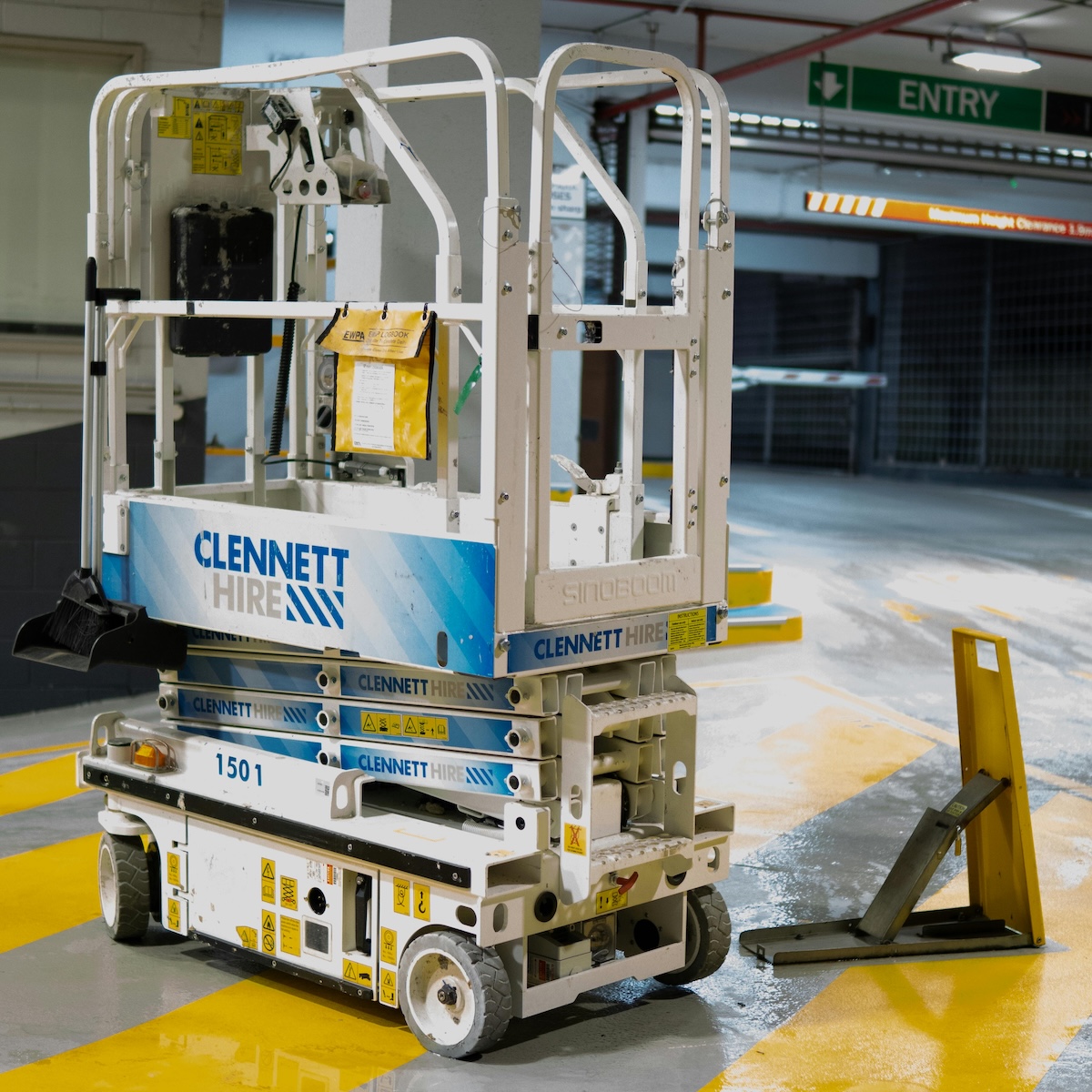
The hiring of construction equipment is popular because it reduces pressure on your budget.
You do not pay high upfront costs. Next, maintenance and repairs are handled by the hire company. Then, you can hire the exact machine you need for each job.
After that, hiring allows you to access newer equipment with advanced features.
Hiring is best when:
- Your jobs vary
- You need machines only occasionally
- You want to keep cash flow strong
- You are unsure what equipment to invest in
Finally, hiring prevents long-term commitments.
The Downsides of Hiring
Hiring can become expensive over time.
Next, availability is not always guaranteed. Then, you may pay extra if you return equipment late. After that, you cannot customise hired machines. Finally, the costs add up with repeat rentals.
The Advantages of Buying Equipment
Buying gives you independence.
You have the machine whenever you need it. Next, you can plan your work schedule without relying on hiring companies. Then, buying can save money over time if the machine is used frequently.
After that, ownership increases your business assets.
Buying is best when:
- You have constant use of a machine
- You want full control
- You plan long-term projects
- Your business is financially stable
Finally, owning equipment can improve your professionalism and reliability.
The Downsides of Buying
Buying requires a high upfront cost.
Next, you must pay for maintenance and servicing. Then, you need storage space. After that, the equipment loses value as soon as it is used.
Finally, buying carries risk if your workload drops.
How to Decide
To choose the best option, compare these factors:
- Frequency of use
- Upfront cost vs long-term cost
- Storage and maintenance needs
- Cash flow and budget
- Flexibility requirements
Next, calculate hire fees for a full year.
Then, compare them with the cost of buying.
After that, consider how quickly the equipment would pay for itself.
- Parents Are Prioritising Breathable, Sustainable Fabrics For Children's Seasonal Sleepwear
- Our Homemade Christmas Printables, Made With AI: What Worked, What Didn't, and What I'm Saving for Next Year
- At-Home vs. In-Lounge IV Therapy in the Hudson Valley: Which Makes More Sense?
- Can Passengers Pursue Compensation After a Car Accident?




Final Thoughts
Both hiring and buying construction equipment have advantages. Hiring offers flexibility and lower short-term costs. Buying provides long-term value and independence.
Finally, choose based on your project needs, business goals, and budget. The right decision helps you work smarter, save money, and grow your construction business with confidence.





Leave a Reply