

Every successful home renovation, whether a full kitchen remodel or a bathroom upgrade, inevitably produces overwhelming amounts of heavy, mixed waste.
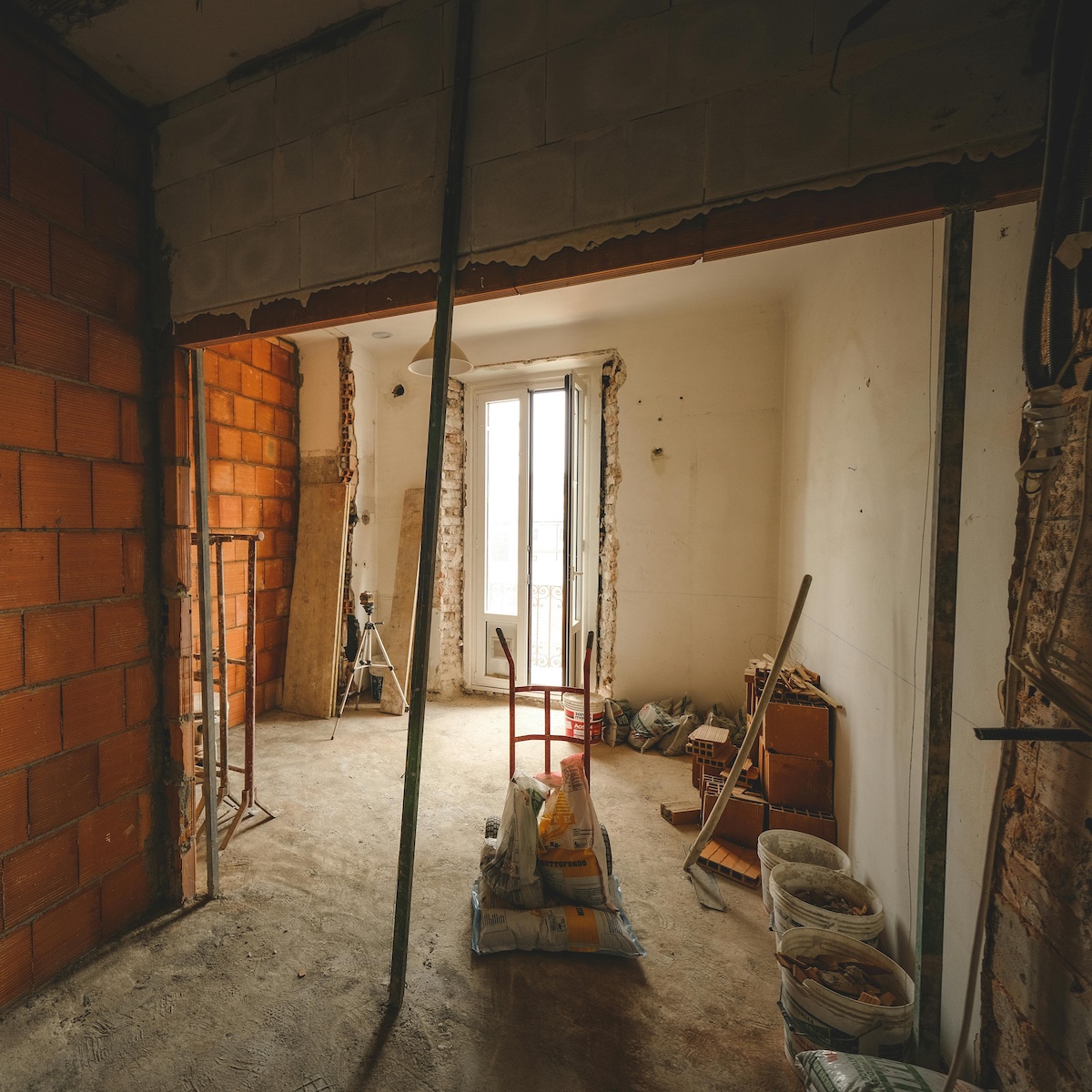
While the thought of new fixtures and modern finishes is exciting, the demolition phase is chaotic, generating mountains of drywall, old lumber, flooring, and broken fixtures.
Managing this debris safely and efficiently is not just about keeping the project site clean; it is the single most critical factor in staying on schedule, protecting your home's structure, and ensuring contractor safety across North Texas.
For tackling the massive volume of heavy, non-standard materials like concrete, scrap metal, or large sections of drywall that standard trash collection will not accept, investing in a professional junk removal service is the most efficient and responsible choice in the DFW Metroplex.
By arranging for immediate bulk hauling, you prevent debris piles from creating delays or hazards, securing a rapid, clean slate that allows your tradespeople to move forward with the installation phase seamlessly.
This proactive step saves significant time and labor costs on any major project.
Jump to:
Step 1: Pre-Demolition Salvage and Zoning
Before demolition begins, establish a clear organisational system. First, identify and separate any reusable or salvable materials, such as vintage fixtures, solid wood framing, or functional appliances that can be sold or donated.
Next, define a specific "Debris Zone" outside or in the immediate project area.
This dedicated staging area, which should be easily accessible for your hauling service, minimises traffic and damage inside the house.
Using heavy-duty containers or clearly marked piles ensures that waste is systematically contained from the moment it is generated, improving site safety and overall home maintenance.
Step 2: Safe Site Debris Management
Safety must be the priority when dealing with construction waste. As items are torn out, ensure they are handled properly: materials like plaster, brick, and concrete are extremely heavy and should be broken down into manageable sizes.
Lumber must have all nails and screws removed before stacking to prevent puncture wounds and damage to the flooring.
Utilize appropriate personal protective equipment (PPE), including safety glasses, hard hats, and thick gloves, throughout the process.
Effective debris management means never allowing piles to obstruct entryways or work zones, protecting your crew and reducing the risk of project-stalling accidents.
Step 3: Final Sweep and Foundation Preparation
Once the bulk debris is hauled away, the final cleanup of the workspace is essential for the successful installation of new materials.
Dust and fine particles from drywall, plaster, and concrete can compromise the adhesion of new flooring, paint, and adhesives.
Use a commercial-grade shop vacuum to thoroughly remove all dust from the floors, walls, and ceiling rafters. Scrape off any residual grout, caulk, or adhesive from the subfloor to ensure a perfectly level and clean base.
A meticulous final scrub guarantees that your new cabinets, tile, or flooring will adhere correctly, resulting in a high-quality finish that maximises your long-term property value and delivers a sharp, modern aesthetic.
🤖 Looking For An Answer?
Ask AI to summarise this post to see if the article answers your questions:
Protecting Your Investment Timeline
An organised, safe, and efficient approach to waste management is not a luxury; it is an absolute necessity for any serious home improvement project.
- Parents Are Prioritising Breathable, Sustainable Fabrics For Children's Seasonal Sleepwear
- Our Homemade Christmas Printables, Made With AI: What Worked, What Didn't, and What I'm Saving for Next Year
- At-Home vs. In-Lounge IV Therapy in the Hudson Valley: Which Makes More Sense?
- Can Passengers Pursue Compensation After a Car Accident?




By prioritising the fast, professional removal of demolition debris, you protect your schedule and your budget.
Maintaining a rigorous, post-renovation seasonal cleanup schedule will ensure your newly finished space remains pristine and functional, delivering lasting value for your investment.





Leave a Reply