

Learning basic first aid as a team builds serious confidence and ensures everyone is genuinely prepared for sudden emergencies.
This guide explains why booking private group training is essential for local organisations and highlights the convenience of blended learning for busy schedules.
Leading a community group, running a small business, or organising a local moms' club is super rewarding.
But with people gathering constantly, accidental injuries are honestly just a matter of time.
Have you ever thought about what your team would actually do if someone collapsed during a meeting? It is a pretty terrifying scenario to imagine.
Booking professional group first aid training is the smartest way to make sure everyone is ready to step up instead of standing frozen in shock.
Jump to:
Why Should We Learn First Aid as a Team?
I used to manage a local community group in the city. We had about twenty toddlers running around a rented church hall every Tuesday morning.
One day, a little boy fell off a plastic chair and hit his head hard on the tile. Because a few of us had trained in first aid together, we totally skipped the panic phase.
We knew exactly who was grabbing the ice, who was checking for signs of a concussion, and who was keeping the other kids distracted. Learning together creates a shared language during an emergency.
You don't have to guess who is calling 911 because you already have an unspoken system in place.
How Does Blended Learning Help Busy Groups?
Trying to wrangle an entire group of adults into a stuffy classroom for two full days sounds like a total nightmare.
You already have enough scheduling conflicts to deal with. Nobody has the free time to burn a whole weekend sitting in a lecture.
That is exactly why blended learning is so popular for group bookings. Everyone simply completes their theory modules online at home.
They can study while the baby sleeps or while riding the transit system.
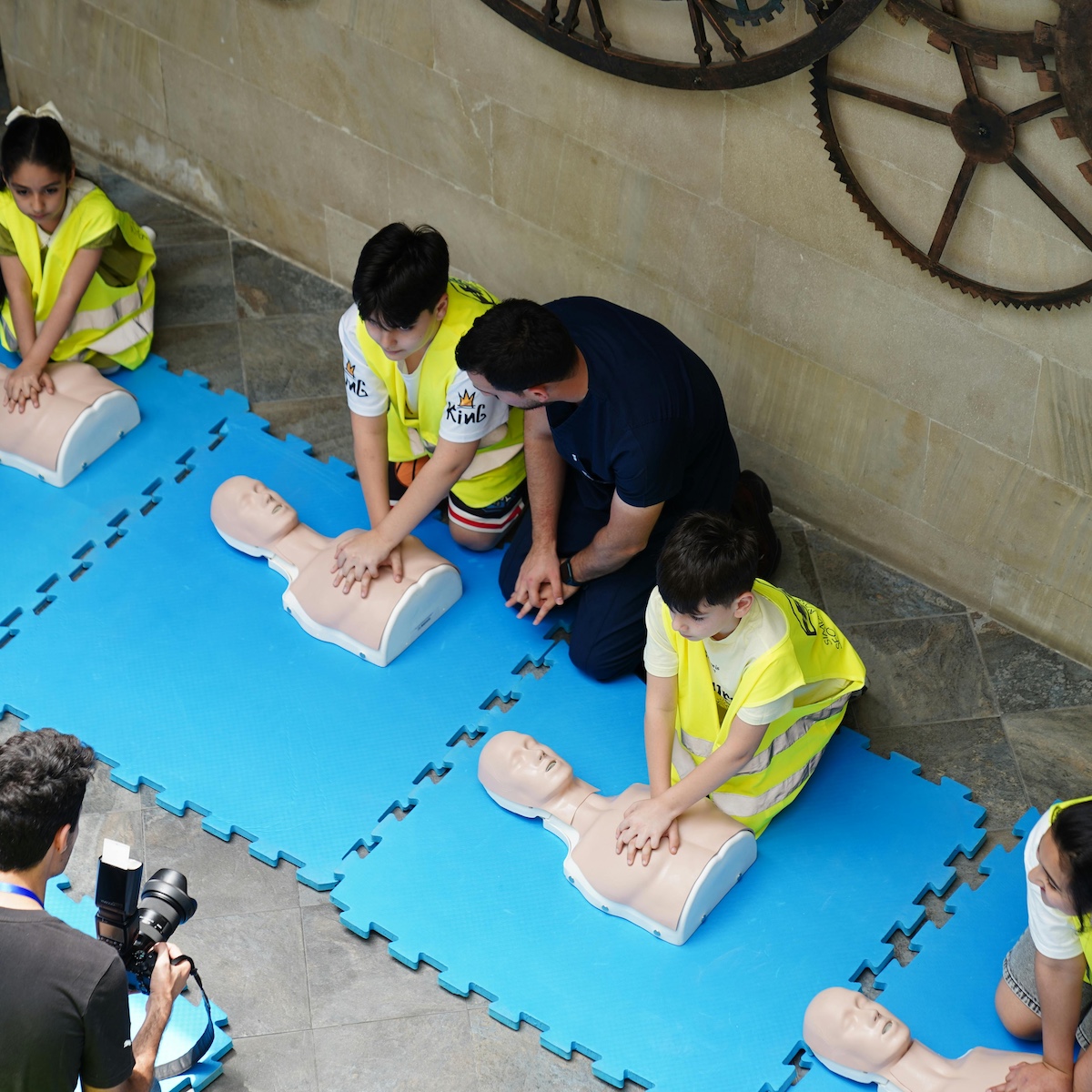
After that, your group just meets up for a short, hands-on session to physically practice the skills.
What Kinds of Emergencies Are Most Common?
You aren't just prepping for dramatic, movie-style disasters. Every day life throws a lot of sudden curveballs that need immediate, calm attention.
- Choking: Small snacks at a meeting or an event can easily turn into a scary situation. Knowing how to quickly dislodge an object is a lifesaver.
- Allergic Reactions: Sharing food means a high risk of accidental allergen exposure. Your team needs to know how to spot anaphylaxis and safely use an EpiPen.
- Slips and Falls: Sprained ankles, bloody noses, and nasty cuts happen all the time when groups get active outdoors.
Is the Training Actually Recognised by the Province?
If you are organising this for a small business or an official non-profit organisation, the certification needs to hold actual weight.
Don't waste your budget on sketchy, online-only courses that your insurance provider won't accept.
Always look for a program officially approved by the Canadian Red Cross and provincial bodies like WSIB in Ontario.
- Parents Are Prioritising Breathable, Sustainable Fabrics For Children's Seasonal Sleepwear
- Our Homemade Christmas Printables, Made With AI: What Worked, What Didn't, and What I'm Saving for Next Year
- At-Home vs. In-Lounge IV Therapy in the Hudson Valley: Which Makes More Sense?
- Can Passengers Pursue Compensation After a Car Accident?




This protects your organisation from liability and guarantees you are learning the latest medical protocols.
If you are looking for first aid training near Bloor West, the Annex neighbourhood, or other areas close to our facility, then you may reach out to Coast2Coast First Aid/CPR, Toronto in that area.
For more safety tips and to book a session for your team, visit the Coast2Coast First Aid & Aquatics website.
FAQ’S
Yes! Many official training partners offer private group bookings. A certified instructor can actually bring the mannequins and training supplies directly to your office, community center, or church hall to make things easier for your team.
A standard Canadian Red Cross First Aid and CPR certification is legally valid for three years from the issue date. After that, your team will need to take a quick recertification course to keep their skills sharp.
Not at all. Standard first aid courses are designed specifically for total beginners. The instructors break everything down into very simple steps, so anyone from a teenager to a retiree can confidently learn how to help.
CPR Level C is the most highly recommended level for community groups. It teaches you how to perform chest compressions, give rescue breaths, and use an AED on adults, children, and infants.
No, they are very user-friendly. The online portion is designed to let you learn at your own pace. You can easily pause the videos, re-read sections, and take the quizzes as many times as you need to feel comfortable with the material.





Leave a Reply