

Homeownership requires a highly proactive approach to prevent costly structural repairs and preserve overall property value over consecutive years.
Regular assessment of a building's exterior and interior components ensures that minor issues do not escalate into severe or unmanageable failures.
Establishing a systematic routine helps individuals track necessary structural adjustments throughout the constantly changing seasons.
Implementing a comprehensive checklist successfully mitigates many risks associated with extreme weather patterns, heavy seasonal precipitation, and natural wear.
Jump to:
- Inspecting the Roof and Exterior Shielding
- Clearing Gutter Systems and Downspouts
- Hiring Professional Roofing Contractors
- Evaluating Foundation and Structural Drainage
- Servicing Climate Control and Ventilation Systems
- Examining Windows, Doors, and Thermal Seals
- Testing Safety Systems and Emergency Readiness
Inspecting the Roof and Exterior Shielding
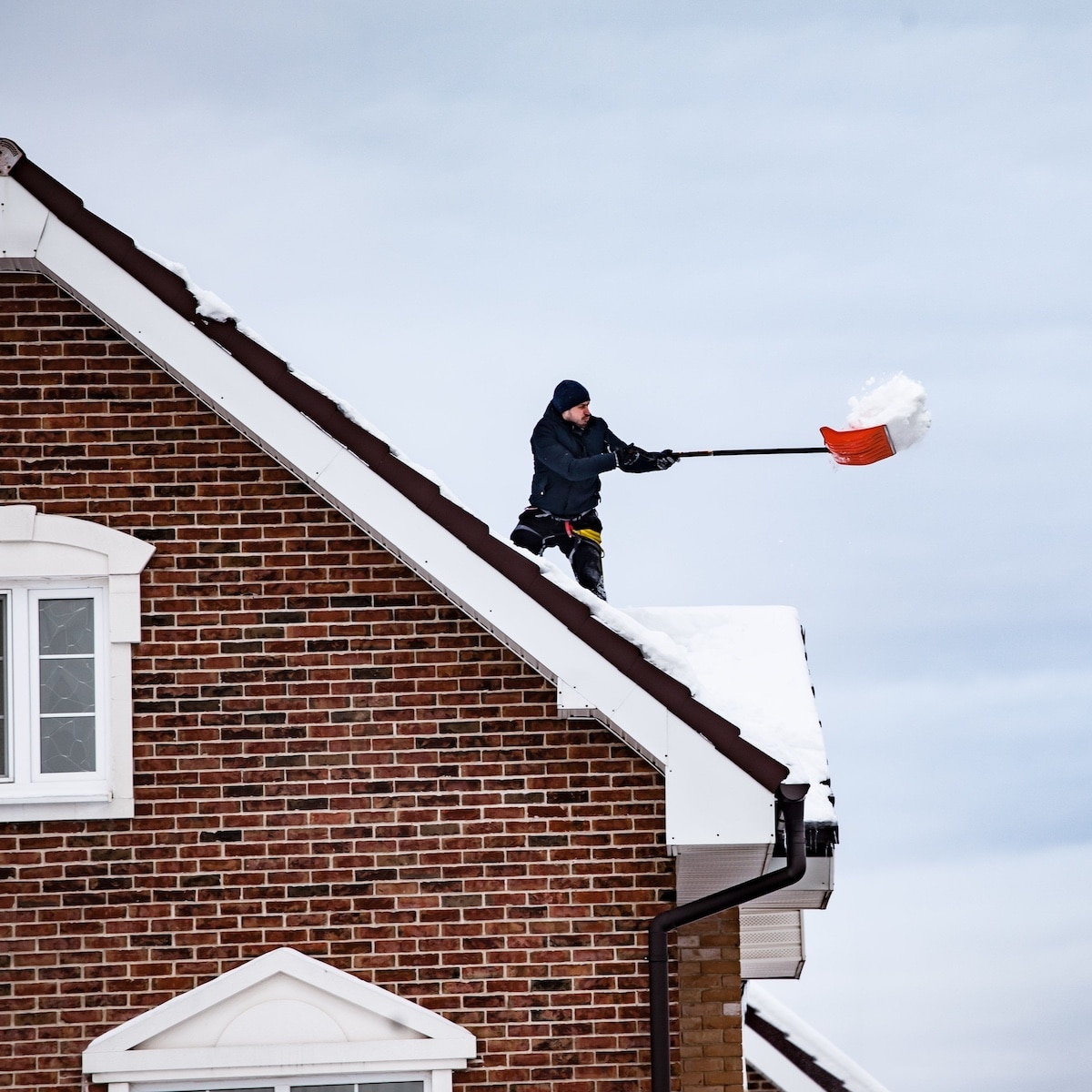
Roof surfaces always bear the primary brunt of harsh environmental elements, ranging from scorching summer heat to freezing winter ice storms.
Visual examinations should be conducted at least twice a year to identify damaged shingles, cracked flashing, or failing sealants before major leaks develop.
Early detection of worn materials effectively prevents moisture from penetrating the protective underlayment and reaching the wooden decking underneath.
Addressing these minor surface blemishes promptly extends the overall lifespan of the entire roofing structure and saves money over time.
Property owners must look closely for curling edges, missing granules, and signs of destructive moss growth during their biannual inspections.
Debris accumulation should be cleared immediately to avoid trapping moisture against vulnerable surface areas and causing deep wood rot.
Clearing Gutter Systems and Downspouts
Clogged drainage channels interrupt the natural flow of rainwater away from vulnerable structural points on the property envelope.
Leaves, twigs, and organic sediment frequently accumulate in these areas, causing water to overflow and cascade directly down the exterior siding.
Routine gutter clearance prevents seasonal water accumulation, which can degrade building foundations and compromise structural framing within a single season. Maintaining open channels protects the integrity of the property.
Debris removal should occur at least twice annually, ideally during late autumn and early spring seasons.
Attaching functional downspout extensions ensures that discharged water exits far beyond the foundation perimeter of the residential footprint to avoid severe soil erosion.
Hiring Professional Roofing Contractors
Complex maintenance tasks or high-elevation repairs often demand specialized equipment, safety harnesses, and advanced technical expertise.
Attempting to fix significant structural or roof issues without proper training presents severe physical hazards to untrained homeowners.
Engaging an experienced team like Vanguard Roofing ensures that inspections are thorough and completed according to strict industry safety standards.
Certified technicians can identify hidden vulnerabilities that untrained eyes might easily overlook during a basic walk-through.
Qualified professionals provide detailed assessments and utilization of durable materials for long-lasting structural defense.
Investing in expert oversight protects the financial value of the property, prevents premature failures, and offers long-term peace of mind.
Evaluating Foundation and Structural Drainage
Solid foundations provide the essential stability required for every other structural component within a residential property.
Soil shifting, erosion, and improper ground grading can lead to water pooling against concrete walls, which creates immense hydrostatic pressure over extended periods.
Inspecting the exterior perimeter for visible cracks or shifting soil patterns helps detect potential structural problems before they worsen significantly.
Ground surfaces immediately adjacent to the building must slope downward to direct runoff away safely into designated drainage zones.
Unchecked moisture infiltration into basements or low crawlspaces leads to persistent dampness, structural shifting, and costly wood rot.
Installing a reliable sump pump provides an extra layer of defense against seasonal water table rises and unexpected basement flooding.
Servicing Climate Control and Ventilation Systems
Heating and cooling units require consistent professional oversight to operate efficiently throughout peak usage seasons.
Replacing standard air filters every ninety days prevents dust buildup, reduces operational strain on mechanical parts, and improves indoor air quality significantly.
Qualified technicians should inspect ductwork and intricate mechanical components annually to verify optimal performance levels.
Cleaning the exterior condenser unit removes accumulated leaves, dirt, and grass clippings that restrict necessary airflow and lower overall energy efficiency.
Attic ventilation systems must remain completely unobstructed to balance indoor temperatures and eliminate trapped humidity. Proper airflow through these vents prevents dangerous ice damming in cold winter climates and reduces cooling loads during hot summer months.
Examining Windows, Doors, and Thermal Seals
Exterior openings represent common points of thermal energy loss and unwanted moisture entry throughout the year.
Inspecting the caulking around window frames helps identify specific gaps where drafty air or rainwater might easily penetrate the building envelope.
- Weatherstripping along door perimeters degrades steadily due to constant physical friction and exposure to fluctuating air temperatures.
- Replacing worn seals maintains comfortable indoor environments and reduces the financial workload on expensive heating and cooling systems.
Double-pane windows should be checked for condensation between the glass layers, which indicates a failed factory seal.
Resolving these insulation gaps minimizes utility expenses while protecting interior walls and window sills from chronic water damage.
Testing Safety Systems and Emergency Readiness
Seasonal changes serve as an excellent reminder to verify the functionality of critical life-safety devices.
Smoke detectors and carbon monoxide alarms require testing every month to ensure immediate responsiveness during an unexpected emergency situation.
Replacing the batteries in these units annually guarantees continuous operation during sudden power outages caused by storms.
Portable fire extinguishers must be inspected regularly to confirm that pressure gauges remain within the operational green zone.
Reviewing family emergency escape plans and replenishing disaster supply kits enhances household preparedness for severe weather events.
Validating that emergency windows open smoothly ensures safe egress routes exist if an urgent evacuation becomes necessary.

- Parents Are Prioritising Breathable, Sustainable Fabrics For Children's Seasonal Sleepwear
- Our Homemade Christmas Printables, Made With AI: What Worked, What Didn't, and What I'm Saving for Next Year
- At-Home vs. In-Lounge IV Therapy in the Hudson Valley: Which Makes More Sense?
- Can Passengers Pursue Compensation After a Car Accident?




Adhering to a structured seasonal maintenance schedule preserves structural health and prevents emergency financial outlays on major repairs.
Consistent care ensures that every single element of the home functions safely, efficiently, and reliably year after year.
Taking proactive steps today safeguards the entire property against future environmental challenges and unpredictable weather conditions.
Dedicating time to these essential tasks guarantees a secure, comfortable, energy-efficient, and highly resilient living environment for the family.





Leave a Reply